24 citations
,
October 2022 in “Cell Regeneration” A new mouse model effectively mimics vitiligo for research and drug testing.
April 2026 in “The FASEB Journal” Exosomal miR-199a-3p from dermal papilla cells helps control hair color by affecting melanocytes.
February 2018 in “Dermatologic Surgery” Using glued nylon suture or mesh improves cell retention in skin cell transplants.
January 2006 in “Linchuang pifuke zazhi” Stem cell factor and certain proteins help melanocytes from hair follicles move and attach better, aiding vitiligo repigmentation.
4 citations
,
February 2023 in “International Journal of Stem Cells” The FTO gene hinders stem cells in hair follicles from becoming pigment cells.
1 citations
,
December 2018 in “IOP conference series. Materials science and engineering” CD34+ hair follicle stem cells can become melanin-producing cells for treating skin conditions.
60 citations
,
August 2005 in “Endocrinology” αMSH may help regulate immune responses in hair follicles and its disruption could lead to hair loss.
69 citations
,
January 1995 in “PubMed” Mouse melanocyte structure and function are influenced by genetics, hormones, and environmental factors.
January 2003 in “Linchuang pifuke zazhi” Melanin granules can be expelled by exocytosis.
344 citations
,
June 2006 in “American Journal Of Pathology” Human hair follicles can provide stem cells for regenerative medicine.
 66 citations
,
December 2014 in “Nature Communications”
66 citations
,
December 2014 in “Nature Communications” Fibroblasts can be turned into melanocytes for potential skin treatments.
 April 2024 in “Journal of translational medicine”
 Melanocytes are important for normal body functions and have potential uses in regenerative medicine and disease treatment.
 April 2018 in “Journal of Investigative Dermatology”
 Different types of stem cells in the skin contribute to the variety of melanoma forms.
 11 citations
,
April 2013 in “SpringerPlus”
11 citations
,
April 2013 in “SpringerPlus” Human skin's melanocytes respond to light by changing shape, producing pigments and hormones, which may affect sleep patterns.
 210 citations
,
July 1993 in “The journal of investigative dermatology/Journal of investigative dermatology”
210 citations
,
July 1993 in “The journal of investigative dermatology/Journal of investigative dermatology” Hair color production in mice is closely linked to the hair growth phase and may also influence hair growth itself.
 109 citations
,
July 1993 in “The journal of investigative dermatology/Journal of investigative dermatology”
109 citations
,
July 1993 in “The journal of investigative dermatology/Journal of investigative dermatology” Hair color production is closely linked to the active growth phase of hair in mice and may also influence hair growth itself.
 401 citations
,
January 2013 in “Postepy Dermatologii I Alergologii”
401 citations
,
January 2013 in “Postepy Dermatologii I Alergologii” The paper concludes that understanding melanocyte development can help in insights into skin diseases and melanoma diversity.
130 citations
,
December 1998 in “The journal of investigative dermatology/Journal of investigative dermatology” Hair follicle melanocytes die during hair regression.
 77 citations
,
December 2010 in “The journal of investigative dermatology/Journal of investigative dermatology”
77 citations
,
December 2010 in “The journal of investigative dermatology/Journal of investigative dermatology” Human skin cells produce proenkephalin, which changes with environmental factors and skin diseases.
47 citations
,
August 2012 in “Cell Cycle” Stem cells in hair follicles can become neurons and other cells, especially in the upper part, useful for nerve repair.
9 citations
,
June 2017 in “The American journal of dermatopathology/American journal of dermatopathology” The study found increased skin pigmentation and variable melanocyte density in a patient with Addison's disease.
 9 citations
,
May 2013 in “JAMA Dermatology”
9 citations
,
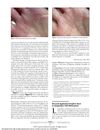
May 2013 in “JAMA Dermatology” Sunlight exposure improved a patient's skin condition, and there may be a link between a certain disease and skin growths; a leukemia treatment caused changes in hair color and growth.
5 citations
,
September 2018 in “Journal of Investigative Dermatology” Keratinocyte cytokines and genetic variations influence the development of moles and skin pigmentation.
 3 citations
,
November 2023 in “Frontiers in cell and developmental biology”
3 citations
,
November 2023 in “Frontiers in cell and developmental biology” Melanocytes are important for skin and hair color and protect the skin from UV damage.
 1 citations
,
January 2016 in “Elsevier eBooks”
1 citations
,
January 2016 in “Elsevier eBooks” The document concludes that identifying the specific cells where skin cancers begin is important for creating better prevention, detection, and treatment methods.
 1 citations
,
October 2012 in “Elsevier eBooks”
1 citations
,
October 2012 in “Elsevier eBooks” Skin stem cells can help improve skin repair and regeneration.
 August 2023 in “Research Square (Research Square)”
 Melanocytes may trigger the immune response in alopecia areata, affecting hair regrowth.
 May 2015 in “Actas Dermo-Sifiliográficas”
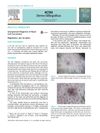
 A young man was unexpectedly diagnosed with basal cell carcinoma after a scalp examination and confocal microscopy.
 August 2021 in “Annals of pathology and laboratory medicine”
 Most skin tumors in the study were benign, with squamous cell carcinoma being the most common malignant type.

Melanocyte transplantation can safely restore skin color, especially in stable vitiligo, but must be chosen carefully based on the disease phase.