12 citations
,
May 2019 in “Journal of cosmetic dermatology” Effective treatments for premature hair graying still require significant research.
12 citations
,
September 1997 in “PubMed” Vitamin D could be important for many skin functions and synthetic versions may treat various skin diseases.
11 citations
,
January 2016 in “Evidence-based Complementary and Alternative Medicine” Rice bran extract can increase melanin production and may help treat melanin deficiency.
 10 citations
,
May 2012 in “PloS one”
10 citations
,
May 2012 in “PloS one” Low ERCC3 gene activity is linked to non-pigmented hair growth.
 8 citations
,
January 2018 in “European journal of dermatology/EJD. European journal of dermatology”
8 citations
,
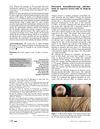
January 2018 in “European journal of dermatology/EJD. European journal of dermatology” The girl's regrown brown hair had less of certain pigments than her original black hair.
 8 citations
,
January 2017 in “Stem Cells International”
8 citations
,
January 2017 in “Stem Cells International” A protein called sFRP4 from skin cells stops the development of pigment-producing cells in hair.
 8 citations
,
February 2013 in “Central European Journal of Biology”
8 citations
,
February 2013 in “Central European Journal of Biology” Melanocytes are diverse cells important for pigmentation and skin health, influenced by genetics and environment.
6 citations
,
October 2022 in “Frontiers in Physiology” Calcium channels are vital for normal skin function and their dysfunction can lead to skin issues.
6 citations
,
January 2022 in “Gene” Scientists found 53 keratin genes in yaks that are important for hair growth and share similarities with those in other animals.
6 citations
,
April 2015 in “Plastic surgical nursing” Bimatoprost ophthalmic solution 0.03% is a safe and effective way to increase eyelash growth.
 6 citations
,
November 2014 in “The journal of investigative dermatology/Journal of investigative dermatology”
6 citations
,
November 2014 in “The journal of investigative dermatology/Journal of investigative dermatology” Stephen Rothman made important discoveries in dermatology, including the use of PABA in sunscreens, but never profited from his work.
6 citations
,
September 2010 in “Pigment Cell & Melanoma Research” We know less about human hair pigmentation than mouse coat color, but pH and cysteine levels are key factors.
5 citations
,
January 2018 in “Thai Journal of Pharmaceutical Sciences (TJPS)” Riceberry by-products may promote hair growth and skin pigmentation, useful for cosmetics.
4 citations
,
July 2021 in “Skin Appendage Disorders” Sudden hair whitening may be linked to immune system activity.
 4 citations
,
May 2018 in “International Journal of Molecular Sciences”
4 citations
,
May 2018 in “International Journal of Molecular Sciences” The research showed how melanocytes develop, move, and respond to UV light, and their stem cells' role in hair color and skin cancer risk.
3 citations
,
September 2023 in “Stem Cell Research & Therapy” Stem cells can be used to create long-lasting skin cells for treating pigment disorders.
3 citations
,
January 2022 in “Journal of drugs in dermatology” Rice bran extract can help with hair growth, thickness, and color.
3 citations
,
May 2020 in “Acta pharmaceutica” Protocatechuic acid can reduce melanin production and boost antioxidant activity in hair follicles.
 2 citations
,
December 2023 in “Royal Society of Chemistry eBooks”
2 citations
,
December 2023 in “Royal Society of Chemistry eBooks” Hair is a complex organ, and understanding its detailed structure and growth phases is crucial for analyzing substances within it.
 2 citations
,
November 1998 in “Journal of The European Academy of Dermatology and Venereology”
2 citations
,
November 1998 in “Journal of The European Academy of Dermatology and Venereology” Prednisone reduces organ mast cell infiltration but does not alter the abnormal appearance of mast cells in systemic mastocytosis.
2 citations
,
July 1994 in “Journal of Dermatological Science” Grafted human scalp samples on mice can produce human hair, useful for studying hair genetics.
2 citations
,
January 1973 in “ACTA HISTOCHEMICA ET CYTOCHEMICA” Brown skin in guinea pigs has more ascorbic acid and related enzymes, black skin uses ascorbic acid well, and white skin has the most protein.
1 citations
,
July 2025 in “Frontiers in Veterinary Science” Tibetan sheep have specific genes for high-altitude adaptation and wool traits, aiding breeding strategies.
1 citations
,
March 2025 in “Journal of Cosmetic Dermatology” Exosomes and laser therapy can help regrow and repigment hair.
1 citations
,
January 2025 in “Regenerative Biomaterials” Exosomes from Pinctada martensii mucus can safely reduce melanin production, offering a new treatment for skin pigment issues.
 1 citations
,
April 2021 in “The journal of investigative dermatology/Journal of investigative dermatology”
1 citations
,
April 2021 in “The journal of investigative dermatology/Journal of investigative dermatology” mTORC1 activity is important for hair growth and color, and targeting it could help treat hair loss and greying.
1 citations
,
October 2019 in “International Journal of Dermatology and Venereology” Zebrafish help understand genetic causes of skin pigment disorders like albinism.
1 citations
,
June 2018 in “World rabbit science” Different miRNAs in Rex rabbit skin affect cell processes and hair growth.
 1 citations
,
January 2018 in “Methods in molecular biology”
1 citations
,
January 2018 in “Methods in molecular biology” The research found ways to activate melanocyte stem cells for potential treatment of skin depigmentation conditions.
1 citations
,
January 2017 in “Hair therapy & transplantation” Topical zinc-thymulin is safe and effective for treating male pattern baldness.