47 citations
,
July 1998 in “Journal of Investigative Dermatology” A new mutation, Glu402Lys, in hair keratin is linked to variable symptoms of monilethrix.
 January 2019 in “Global Dermatology”
 Genetic hair shaft abnormalities can be seen with microscopes and often affect scalp hair.
 April 2018 in “Journal of Investigative Dermatology”
 Watching, not removing, skin growths with moderate atypia and positive edges is okay; patients may get melanoma elsewhere, especially if they've had it before.
 November 2013 in “John Wiley & Sons, Ltd eBooks”
 Skin symptoms can indicate endocrine disorders and have various treatments.
187 citations
,
May 1988 in “Differentiation” Trichocytic cytokeratins are found in hair, nails, tongue, and thymus cells, showing complex regulation in tissue development.
4 citations
,
October 2019 in “Skin Appendage Disorders” Gefitinib can cause hair and eyebrow darkening.
 1 citations
,
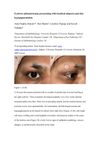
March 2024 in “Ophthalmic Plastic and Reconstructive Surgery”
1 citations
,
March 2024 in “Ophthalmic Plastic and Reconstructive Surgery” A pilomatrixoma in the eyebrow can cause hair loss and skin lightening.
3 citations
,
February 2002 in “The American journal of psychiatry” Stopping birth control pills may have triggered a manic episode in a woman with HAIR-AN syndrome.
 10 citations
,
July 2022 in “The journal of investigative dermatology/Journal of investigative dermatology”
10 citations
,
July 2022 in “The journal of investigative dermatology/Journal of investigative dermatology” Human nails and hair follicles have similar gene activity, especially in the cells that contribute to their growth and development.
June 2024 in “British Journal of Dermatology” Podiatrists need more training to detect foot melanoma early.
21 citations
,
August 1987 in “Archives of Dermatology” High-dose methotrexate can cause severe skin and nail issues.
4 citations
,
January 2013 in “International Journal of Trichology” Monilethrix has no effective treatment, but avoiding hair trauma helps manage it.
 36 citations
,
November 2000 in “Journal of the American Academy of Dermatology”
36 citations
,
November 2000 in “Journal of the American Academy of Dermatology” A woman with dermatomyositis showed rare skin symptoms, was treated successfully, and her case suggests checking for cancer in similar patients.
 September 2021 in “CRC Press eBooks”
 Pregnancy can cause normal skin changes, including darkening of certain areas, nail changes, vascular changes, and breast changes like stretch marks.
 17 citations
,
September 2010 in “Pediatric dermatology”
17 citations
,
September 2010 in “Pediatric dermatology” A 15-year-old with KID syndrome developed a rare skin condition called PEHFN.
101 citations
,
August 2001 in “The Journal of Cell Biology” A new keratin 6 type in mice explains why some mice without certain keratin genes still have normal hair and nails.
A new genetic mutation was found causing hair and eye issues in a boy.
29 citations
,
August 1999 in “Journal of Investigative Dermatology” New mutations in hair keratin genes cause the rare hair disorder monilethrix.
2 citations
,
July 2019 in “Indian dermatology online journal” A 17-year-old girl and her brothers have a rare hair condition with long eyelashes, thick eyebrows, and easily pluckable hair.
 25 citations
,
October 2017 in “Clinics in Dermatology”
25 citations
,
October 2017 in “Clinics in Dermatology” Older adults commonly experience hair loss and nail disorders due to aging and health changes, affecting their quality of life.
75 citations
,
January 1980 in “Journal of Investigative Dermatology” February 2026 in “Pediatric Dermatology”  55 citations
,
November 2004 in “Expert opinion on drug safety”
55 citations
,
November 2004 in “Expert opinion on drug safety” Chemotherapy often causes hair loss, nail changes, and mouth issues, but these are usually manageable.
A young athlete's fragile hair condition improved by cutting hair and using gentle shampoo.
April 2015 in “Dentistry 3000” Premature hair graying in the face may be influenced by genetics and environment.
 12 citations
,
November 1987 in “Pediatric dermatology”
12 citations
,
November 1987 in “Pediatric dermatology” Four children had unmanageable pale blond hair due to uncombable-hair syndrome.
 10 citations
,
February 2015 in “Clinics in Dermatology”
10 citations
,
February 2015 in “Clinics in Dermatology” The document concludes that changes in eyelashes and eyelid skin can indicate various local and systemic diseases.
September 2009 in “Medical and surgical dermatology/Medical & surgical dermatology” 15 citations
,
July 2004 in “AIDS” Indinavir therapy can cause reversible skin, hair, and nail darkening.
July 2024 in “Journal of Investigative Dermatology”