 7 citations
,
May 2020 in “Trends in molecular medicine”
7 citations
,
May 2020 in “Trends in molecular medicine” The document concludes that the immune-inhibitory environment of the hair follicle may prevent melanoma development.
 January 2024 in “Indian Journal of Pharmaceutical Sciences”
 Peach kernel extract may promote hair growth by boosting cell growth in hair follicles.
 November 2012 in “Actas Dermo-Sifiliográficas”
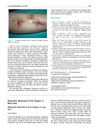
 An 86-year-old man had a rare tongue melanoma but refused treatment, showing the need for early cancer detection and treatment.
27 citations
,
February 2003 in “Cell and Tissue Research” FM dyes effectively stain Merkel cells for long-term observation.
2 citations
,
June 2013 in “In Vitro Cellular & Developmental Biology - Animal” Melanocytes from human fetal hair follicles were successfully cultured, showing potential for hair disease research and clinical use.
 11 citations
,
September 1992 in “Journal of pineal research”
11 citations
,
September 1992 in “Journal of pineal research” Immunizing goats against melatonin can temporarily change their cashmere growth cycles and increase fleece production.
 10 citations
,
November 2010 in “Pigment Cell & Melanoma Research”
10 citations
,
November 2010 in “Pigment Cell & Melanoma Research” Only skin melanocytes, not other types, can color hair in mice.
7 citations
,
July 2013 in “Acta Biochimica Polonica” Chemotherapy reduces splenic melanin in mice.

Melatonin and photobiomodulation are effective for treating Alopecia X in German Spitz dogs.
 6 citations
,
October 2018 in “Bioelectromagnetics”
6 citations
,
October 2018 in “Bioelectromagnetics” Rice bran extract and low-frequency electromagnetic fields together may help treat vitiligo and white hair.
8 citations
,
January 2017 in “Korean Journal of Physiology and Pharmacology” Pimecrolimus boosts melanin production and movement of skin pigment cells.
 27 citations
,
October 1945 in “Endocrinology”
27 citations
,
October 1945 in “Endocrinology” Synthetic hormone treatment reduces melanin and hair growth in rats.

PmtHEE is a better model for studying pigmented skin because it includes melanocytes and shows improved cell differentiation.
10 citations
,
January 2012 in “Journal of Oncology” The surrounding tissue plays a crucial role in the growth and spread of skin cancer.
49 citations
,
July 2000 in “Journal of Histochemistry & Cytochemistry” POMC-derived peptides are important for skin functions like immune response and stress management.
53 citations
,
October 2012 in “Journal of dermatological treatment” The laser treatment effectively and safely improved melasma in Asian patients.
1 citations
,
November 2024 in “Life” Desmodesmus pannonicus water extract may help reduce skin pigmentation, heal wounds, and promote hair growth.
 41 citations
,
December 2018 in “Experimental Dermatology”
41 citations
,
December 2018 in “Experimental Dermatology” Understanding how melanocyte stem cells work could lead to new treatments for hair graying and skin pigmentation disorders.

Melanocytes can regenerate around hair follicles in bullous pemphigoid, especially in patients with darker skin.
 September 2025 in “Journal of King Saud University - Science”
 Lophocereus marginatus extracts may help treat melanoma and stimulate hair growth.
 April 2019 in “Journal of Investigative Dermatology”
 The created skin model with melanoblasts improves the study of skin color and offers an alternative to animal testing.
2 citations
,
June 2025 in “International Journal of Molecular Sciences” Chitosan and melatonin together improve wound healing and have potential in medicine and cosmetics.
 August 2005 in “British journal of dermatology/British journal of dermatology, Supplement”
 Melatonin may help treat hair loss and needs more research.
 March 2024 in “Cytologia”
 LncRNA MTC boosts growth of goat skin cells, improving cashmere quality.
November 2025 in “Journal of Investigative Dermatology” Alpha-MSH affects mitochondrial function, and MC1R mutations may increase skin aging.
11 citations
,
February 2023 in “Journal of Investigative Dermatology” Low m6Ascores in melanoma predict better survival and response to immunotherapy.
11 citations
,
January 1956 in “Journal of Investigative Dermatology”  1 citations
,
August 2022 in “BMC Plant Biology”
1 citations
,
August 2022 in “BMC Plant Biology” Melatonin helps broccoli roots produce anti-cancer compounds by controlling nitric oxide and hydrogen peroxide levels.
 10 citations
,
July 2022 in “Dermatology and Therapy”
10 citations
,
July 2022 in “Dermatology and Therapy” Melasma's causes include genetics, sun exposure, hormones, and oxidative stress, and understanding these can help create better treatments.