 23 citations
,
January 2024 in “Nature Immunology”
23 citations
,
January 2024 in “Nature Immunology” γδ T cells adapt uniquely to different tissues in mice.
17 citations
,
January 2023 in “Frontiers in Cell and Developmental Biology” iPSCs are promising for studying and treating COVID-19.
 8 citations
,
November 2020 in “Nature Communications”
8 citations
,
November 2020 in “Nature Communications” Adult stem cells with Tp63 can form hair and skin cells when placed in new skin, showing they have hidden abilities for skin repair.
1 citations
,
November 2021 in “IntechOpen eBooks” Red light therapy may help prevent memory loss as we age.
December 2023 in “Journal of Investigative Dermatology” A specific type of immune cell plays a key role in causing alopecia areata and could be a target for treatment.
85 citations
,
May 2009 in “Hippocampus” Progesterone helps adult male mice grow more neurons and improves memory.
3 citations
,
July 2022 in “Brain and Behavior” The HtrA1L364P mutation causes brain dysfunction and blood vessel damage.
 September 2025 in “Dietary Supplements and Nutraceuticals”
 Cerebronal® may help improve certain brain health markers.
52 citations
,
January 2023 in “Annual Review of Immunology” Immune-epithelial interactions are crucial for tissue repair, but unchecked can cause diseases.
 16 citations
,
March 2016 in “The journal of investigative dermatology/Journal of investigative dermatology”
16 citations
,
March 2016 in “The journal of investigative dermatology/Journal of investigative dermatology” The Notch signaling pathway helps in mouse hair development through a noncanonical mechanism that does not rely on RBPj or transcription.

Plant-based compounds can improve wound dressings and skin medication delivery.
January 2010 in “Acta Universitatis Medicinalis Nanjing” Progesterone helps adult male mice's brain cells survive and improves learning and memory.
 57 citations
,
March 2019 in “Immunity”
57 citations
,
March 2019 in “Immunity” The document concludes that the skin's immune system is complex, involving interactions with hair follicles, nerves, and microbes, and can protect or cause disease, offering targets for new treatments.
 May 2012 in “Scientific American”
 New app improves storm surge predictions; advances in baldness treatment show potential but require time.
 April 2012 in “Lab Animal”
 Early exposure to germs may protect against autoimmune diseases, lack of sex increases alcohol preference in fruit flies, a potential baldness treatment could involve blocking a specific receptor, skin memory cells help prevent re-infection, high-fat diets can affect brain cells related to weight, and the link between social status, stress, and heart disease in primates is unclear.
3 citations
,
January 2022 in “Journal of neuroendocrinology” Sex hormones affect brain cells differently in males and females.
October 2020 in “Stem cells” The document concludes that DNA methylation and the mTOR pathway are important for stem cell function and could impact disease treatment.
 September 2013 in “Science”
 Human stem cells can aid stroke recovery, research experiences boost students' career aspirations, minoxidil may reduce cancer spread, a molecule can slow tumor growth, a protein affects water flow in cells, magnesium behaves differently at tiny scales, and a new method detects slow-moving objects.
 September 2013 in “Science”
 Special astrocytes improved learning and memory in rats after a stroke.
 September 2013 in “Science”
 Transplanted human Olig2+ astroglia may help improve learning and memory after a stroke.
 22 citations
,
January 2008 in “Physiological Research”
22 citations
,
January 2008 in “Physiological Research” Steroid sulfatase is important for activating hormones that affect memory, brain function, and certain diseases, and could be a target for treating hormone-related disorders.
21 citations
,
October 2022 in “International Journal of Molecular Sciences” Quercitrin may help treat Alzheimer's by boosting brain cell signaling without causing tumors.
 101 citations
,
July 2021 in “Nature Communications”
101 citations
,
July 2021 in “Nature Communications” 4D polycarbonate scaffolds show promise for soft tissue repair due to their biocompatibility, shape memory, and minimal immune response.
 67 citations
,
February 2020 in “Journal of Ginseng Research”
67 citations
,
February 2020 in “Journal of Ginseng Research” Korean Red Ginseng has beneficial components that help with stress, immunity, fatigue, memory, blood flow, and disease protection.
 September 2013 in “Science”
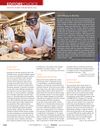
 Certain astrocytes can protect the brain and improve recovery after a stroke, and a hair loss drug might reduce cancer spread.
February 2024 in “Neurophotonics” Light therapy on the brain shows promise for treating brain diseases and improving brain function.
8 citations
,
December 2015 in “JAMA ophthalmology” A young man had vision loss, hair loss, and other symptoms, but tests showed mostly normal results except for slightly high protein in spinal fluid.
May 2023 in “Indian Journal of Dermatology” BCG site reactions after COVID-19 mRNA vaccination are mild, temporary, and likely under-reported.
35 citations
,
July 2022 in “Frontiers in Integrative Neuroscience” Formononetin may help protect the brain and treat neurological diseases.
11 citations
,
October 2004 in “Journal of Experimental Biology” Billingham and Medawar's work laid the foundation for modern transplantation by showing how to prevent graft rejection.