 14 citations
,
October 2019 in “International Journal of Women's Health”
14 citations
,
October 2019 in “International Journal of Women's Health” Menopausal acne is treated with medications and lifestyle changes, but careful choice is needed due to side effects.
October 2019 in “DOAJ (DOAJ: Directory of Open Access Journals)” Menopausal acne is mainly caused by hormonal changes and can be managed with topical treatments, lifestyle changes, and sometimes medication.
 April 2024 in “International journal of women's health”
 Adult female acne is a complex condition that can worsen with menopause, requiring holistic treatment and tailored skincare at different life stages.
 September 2023 in “Gynäkologische Endokrinologie”
 Menopause causes skin and hair to become drier and thinner, but hormone therapy can improve these conditions.
 January 2019 in “Springer eBooks”
 Acne can appear or persist in adulthood due to hormonal changes, external factors, or substance use, and requires appropriate treatment.
 3 citations
,
March 2019 in “Post Reproductive Health”
3 citations
,
March 2019 in “Post Reproductive Health” Testosterone replacement can help menopausal women with various symptoms, but should be used carefully and is not yet officially licensed in the UK for women.
 May 2021 in “Journal of the Endocrine Society”
 A woman's severe hormone imbalance after menopause led to finding a rare ovarian tumor, treated by surgery.
 5 citations
,
June 2004 in “The Journal of The British Menopause Society”
5 citations
,
June 2004 in “The Journal of The British Menopause Society” Testosterone therapy can improve sexual satisfaction and mood in surgically menopausal women when used with estrogen, but its long-term safety and effects on naturally menopausal and premenopausal women are unclear.
 September 2023 in “Reproductive health of woman”
 PCOS is common, affects fertility, and requires personalized treatment to manage symptoms and health risks.
 48 citations
,
July 2009 in “The Journal of Sexual Medicine”
48 citations
,
July 2009 in “The Journal of Sexual Medicine” DHEA did not improve sexual function, well-being, or menopausal symptoms in postmenopausal women with low libido but caused side effects like acne and increased facial hair.
 2 citations
,
June 2024 in “Anti-Aging Eastern Europe”
2 citations
,
June 2024 in “Anti-Aging Eastern Europe” PCOS symptoms vary by age, affecting diagnosis and treatment.
Testosterone therapy can safely and effectively treat symptoms like low libido and fatigue in women, especially after menopause.
 October 2007 in “Postgraduate obstetrics & gynecology”
 Testosterone therapy can help with androgen deficiency in women but should be used with caution and monitoring due to potential risks.
 April 2006 in “Current Opinion in Endocrinology & Diabetes”
 Testosterone therapy can help improve sexual function, mood, and bone density in women with low androgen levels, but more research is needed on long-term safety.
 November 2021 in “Journal of The American Academy of Dermatology”
 Different stages and types of female hair loss are linked with age, menopause, high blood pressure, and skin conditions like acne and hirsutism.
 88 citations
,
June 2016 in “Human Reproduction Update”
88 citations
,
June 2016 in “Human Reproduction Update” New hormonal contraceptives are safer, have fewer side effects, and offer health benefits for women.
 January 2006 in “Fertility and Sterility”
 The book provides a detailed guide on managing Polycystic Ovary Syndrome and is useful for physicians.
 22 citations
,
January 2015 in “The Cochrane library”
22 citations
,
January 2015 in “The Cochrane library” DHEA may help with sexual function when used intravaginally by menopausal women but is similar to hormone therapy in other aspects and might cause more side effects like acne and hair loss.
25 citations
,
June 2022 in “Clinical and Experimental Dermatology” Menopause significantly affects skin health and conditions.
Menopause causes skin issues like dryness and wrinkles, which can be managed with lifestyle changes and treatments.
January 2019 in “Dermatologica Sinica” Dutasteride improved both hair loss and acne in two young men.
 April 2020 in “Journal of the Endocrine Society”
 A woman's severe hirsutism was caused by Leydig cell tumors in her ovaries, which improved after surgery.
 18 citations
,
June 1995 in “International Journal of Dermatology”
18 citations
,
June 1995 in “International Journal of Dermatology” Women experience various skin issues at different life stages, requiring careful treatment and awareness.
 1265 citations
,
October 2013 in “The Journal of Clinical Endocrinology and Metabolism”
1265 citations
,
October 2013 in “The Journal of Clinical Endocrinology and Metabolism” The guideline suggests using specific criteria to diagnose PCOS, recommends various treatments for its symptoms, and advises screening for related health issues.
 24 citations
,
September 2001 in “Journal of The American Academy of Dermatology”
24 citations
,
September 2001 in “Journal of The American Academy of Dermatology” Women's ovarian hormones and adrenal androgens change throughout life, affecting hair loss and health.
 15 citations
,
January 2002 in “Gynecological endocrinology”
15 citations
,
January 2002 in “Gynecological endocrinology” Hormones affect skin aging and fat distribution, and treatments can help, but only minoxidil is proven for female hair loss.
 5 citations
,
January 2014 in “BioMed Research International”
5 citations
,
January 2014 in “BioMed Research International” Hormonal status significantly affects women's skin health throughout their lives.
 4 citations
,
January 2015 in “Endocrinology & metabolic syndrome”
4 citations
,
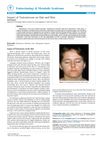
January 2015 in “Endocrinology & metabolic syndrome” Testosterone can cause acne and male-pattern baldness, affects hair growth in men and women, and makes male skin more sensitive.
Skin changes throughout life, from development before birth to aging effects like wrinkles, influenced by both genetics and environment.
April 2025 in “The American journal of patient health info.” PCOS affects many women, causing hormonal issues and health risks, but can be managed with lifestyle changes and medication.