2 citations
,
March 2016 in “Düşünen Adam” Switching from escitalopram to duloxetine improved hair loss.
 November 2025 in “DOAJ (DOAJ: Directory of Open Access Journals)”
 The choice between belimumab and anifrolumab for treating lupus depends on the patient's specific symptoms.
16 citations
,
April 2006 in “Pediatrics International” High-dose mizoribine effectively controls symptoms in adolescents with lupus while reducing steroid use, with manageable side effects.
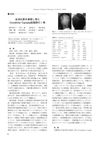 January 2014 in “Progress of Digestive Endoscopy”
 Prednisolone improved symptoms in a woman with Cronkhite-Canada syndrome, but regular screenings are needed due to cancer risk.
7 citations
,
January 2017 in “Dermatology Online Journal” TNF-inhibitor induced alopecia can be treated effectively with different therapies.
14 citations
,
January 2016 in “Annals of dermatology/Annals of Dermatology” Oral cyclosporine is more effective and safer than betamethasone for treating alopecia areata.
3 citations
,
April 2011 in “Klinische Pädiatrie” Immunosuppression therapy with methylprednisolone effectively treats childhood alopecia areata.
 December 2024 in “Kahramanmaraş Sütçü İmam Üniversitesi Tıp Fakültesi Dergisi”
 Both treatments are safe and effective, but anthralin may work better for some patients.
36 citations
,
May 2005 in “BMC dermatology” DPCP is effective for treating severe alopecia areata, but relapse is common.
 May 2025 in “Journal of Dermatological Treatment”
 The shampoo improved seborrheic dermatitis symptoms, but worked better for males than females.
 November 2024 in “PubMed”
 Terbinafine can cause skin reactions when exposed to sunlight, so sun exposure should be avoided during treatment.
 1 citations
,
January 2017 in “Expert opinion on orphan drugs”
1 citations
,
January 2017 in “Expert opinion on orphan drugs” Adalimumab is the most effective treatment for severe hidradenitis suppurativa, but more research is needed to improve treatment options.
May 2018 in “Dermatologic Surgery” 2 citations
,
January 2022 in “JAAD Case Reports” The rash resolved after stopping ponatinib.
 April 2021 in “Research Square (Research Square)”
 The new cocrystal KET-PABA is a more effective and safe anti-inflammatory treatment for skin conditions in mice.
 July 2003 in “Journal of Cutaneous Medicine and Surgery”
 Stopping certain drugs can improve skin conditions, arsenicosis affects over half of a Bangladeshi village, males are more vulnerable, and certain treatments are effective for warts, acne, and psoriasis. Smoking and drinking are linked to psoriasis in men, a cream helps with a type of skin cancer, and low iron levels don't directly cause chronic hair loss in women.
1 citations
,
January 2025 in “Therapeutic Advances in Drug Safety” Antituberculosis drugs can cause severe skin reactions, requiring careful diagnosis and treatment.
18 citations
,
December 2015 in “PubMed” Intralesional triamcinolone is more effective than topical betamethasone for treating localized alopecia areata.
 8 citations
,
July 2024 in “Scientific Reports”
8 citations
,
July 2024 in “Scientific Reports” Salicylate helps wounds heal without scarring in mice.
3 citations
,
January 2011 in “Indian Journal of Dermatology Venereology and Leprology” Switching to a twice-weekly betamethasone treatment led to full hair regrowth in alopecia areata without side effects.
 6 citations
,
March 2019 in “JAAD case reports”
6 citations
,
March 2019 in “JAAD case reports” A new mix of anthralin and calcipotriene might help treat severe hair loss.
May 2024 in “News Digital Object Group” 1 citations
,
May 2024 in “Skin Appendage Disorders” Hair regrowth was achieved using 5-Fluorouracil and Bleomycin for scalp atrophy caused by corticosteroids.
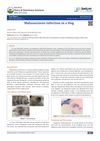 July 2018 in “Journal of Dairy & Veterinary Sciences”
 The dog recovered from a skin infection after treatment with medication.
Tofacitinib and low-dose IL-2 may help maintain hair regrowth in alopecia areata without ongoing treatment.
 6 citations
,
September 2017 in “Multiple Sclerosis and Related Disorders”
6 citations
,
September 2017 in “Multiple Sclerosis and Related Disorders” Nail loss may be a side effect of the MS drug teriflunomide.
2 citations
,
January 2010 in “Side effects of drugs annual” Dermatological drugs and cosmetics can cause serious side effects like cancer, allergies, and heart issues.
 June 2019 in “Reactions Weekly” 2 citations
,
September 2024 in “Internal Medicine Journal”
June 2019 in “Reactions Weekly” 2 citations
,
September 2024 in “Internal Medicine Journal” Upadacitinib helped regrow hair and maintain ulcerative colitis remission.
 January 2026 in “Frontiers in Pharmacology”
 Cedrol may help treat inflammatory bowel disease by improving gut health and function.