 January 2024 in “Seven Editora eBooks”
 Different techniques measure hair properties to ensure cosmetic products work.
 January 2024 in “RSC pharmaceutics”
 Removing the outer skin layer increases drug absorption and offers non-invasive treatment options, with some methods allowing for quick skin recovery.
 January 2024 in “Regenerative Biomaterials”
 Metal organic frameworks-based scaffolds show promise for tissue repair due to their unique properties.
 January 2024 in “Pharmacophore”
 Herbal nanocosmeceuticals are more effective and eco-friendly than traditional skincare products.
 December 2023 in “International Journal For Multidisciplinary Research”
 Indian medicinal plants can help with hair growth and common hair issues.

PCOS requires personalized treatment to improve life quality and reduce health risks.
 September 2023 in “Bangladesh Journal of Neurosurgery”
 Stereotactic Radiosurgery is an effective non-invasive treatment for cerebral AVM, with successful outcomes and minimal side effects.
 May 2023 in “Current Medicinal Chemistry”
 Microneedle patches improve drug delivery for skin treatments and cosmetic enhancements.
 May 2023 in “Archiv EuroMedica”
 The article concludes that it's important to know how to identify and treat the rare hair disease black piedra, even in places where it's not usually found.
 January 2023 in “International Journal of Pharmaceutical Research and Development”
 Nanotechnology therapies can help improve quality of life for those with hair loss.

Social media data can help track and predict COVID-19 symptoms and trends.
 June 2022 in “Journal of Experimental Biology and Agricultural Sciences”
 Most E. coli in broiler chickens are resistant to multiple antibiotics.

No single biomarker is reliable enough for diagnosing and assessing SLE.
 January 2022 in “Asian journal of Current Research in Clinical Cancer”
 Some dibenzo compounds might help treat cancer with fewer side effects.
 April 2021 in “Journal of Advances in Environmental Health Research”
 Dental amalgam releases harmful mercury, posing health risks, and should be replaced with safer materials.

Exposure to toxic elements like mercury and lead may be linked to autism, and a higher zinc to copper ratio might help protect against it.

The workshop promoted better medicine use and health practices through global collaboration.

The workshop successfully promoted better medicine use and international collaboration.
 September 2020 in “Nature, Environment and Pollution Technology/Nature, environment and pollution technology”
 Eating plants from polluted areas can cause liver and kidney damage in rats due to toxic metals.
 January 2020 in “bioRxiv (Cold Spring Harbor Laboratory)”
 Semecarpus anacardium leaf extracts may offer safe, effective cancer treatment alternatives.
 December 2019 in “University of Malaya Students Repository”
 Mimosine from Leucaena leucocephala can enhance biodiesel stability.
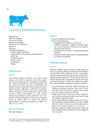
Bovines can have rare inherited skin diseases with specific symptoms like hair loss, fragile skin, and abnormal porphyrin buildup.

Proretinal nanoparticles are a safe and effective way to deliver retinal to the skin.
 January 2018 in “International journal of food and nutrition research”
 Intermittent iron and nutritional supplements can help reduce hair loss.
 June 2015 in “Biomedical and biopharmaceutical research”
 The congress showed advancements in skin hydration, barrier function, and safe, effective new cosmetic formulations.
 December 2013 in “Biomedical and biopharmaceutical research”
 Nanotechnology shows promise for better drug delivery and cancer treatment.
 March 2012 in “Korean Journal of Microscopy”
 Quantum dot nanoparticles can penetrate skin and reach sebocytes through hair follicles.
 November 2011 in “Informa Healthcare eBooks”
 Environmental, chemical, mechanical, and personal health factors can all damage hair and contribute to hair loss or changes in hair quality.
 November 2007 in “Journal of Generic Medicines”
 Europe strengthened medicine regulations, increased protection against counterfeit drugs, and made it tougher to challenge comparative advertising, while also focusing on patent law enforcement and updating plant protection rules.
 October 2001 in “WORLD SCIENTIFIC eBooks”
 Many substances, including chemicals and metals, can cause skin reactions; careful handling and identification of allergens are crucial to prevent dermatitis.