 December 2018 in “International Journal of Research -GRANTHAALAYAH”
 Biomagnetic forces can deform red blood cells.
June 2020 in “Zenodo (CERN European Organization for Nuclear Research)” Reptiles on the Absheron Peninsula accumulate toxic elements in their tissues but survive due to tissue resilience.
2 citations
,
June 2010 in “Medicina de Familia SEMERGEN” The girl's "dandruff" was actually harmless hair casts, not a hygiene issue.
October 2014 in “Microscopy” The method using ionic liquid improves observation of cell structures with less damage.
19 citations
,
January 2003 in “Polish Journal of Environmental Studies” Higher lead levels were found in mothers of children with malformations.
 16 citations
,
July 2013 in “The American Journal of Dermatopathology”
16 citations
,
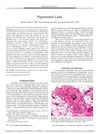
July 2013 in “The American Journal of Dermatopathology” Pigmented casts are common in several hair loss conditions and can help diagnose specific types of alopecia.
Mineral deposits form in hair follicles after skin injury, faster in rats given DHT.
 17 citations
,
January 2023 in “Nanoscale Advances”
17 citations
,
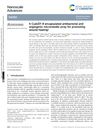
January 2023 in “Nanoscale Advances” The microneedle arrays effectively promote wound healing and have potential for clinical use.
34 citations
,
December 1984 in “Journal of Cutaneous Pathology” Monilethrix hair issues are due to problems in the hair's internodes.
4 citations
,
January 2019 in “Micron” Fetal hair follicles have melanocytes with melanosomes at different stages, which are broken down into pigment particles in keratinocytes.

Low ferritin and vitamin D levels are linked to hair loss, suggesting the need for personalized nutrition and diagnostics.
4 citations
,
December 2018 in “International Journal of Research -GRANTHAALAYAH” Biomagnetic forces can deform red blood cells, not just mechanical factors.
 19 citations
,
December 2006 in “Archives of dermatology”
19 citations
,
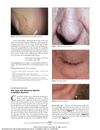
December 2006 in “Archives of dermatology” Hair casts and cutaneous spicules can be signs of multiple myeloma.
January 2003 in “Linchuang pifuke zazhi” Melanin granules can be expelled by exocytosis.
16 citations
,
November 2003 in “Journal of the American Academy of Dermatology” Iron therapy cured the boy's hair color issue.
11 citations
,
January 2014 in “Mass spectrometry” Silver oxide nanoparticles help detect small molecules effectively.
18 citations
,
January 1977 in “Annals of Nutrition and Metabolism” Genetic disorders can disrupt mineral and trace element metabolism, affecting health.
1 citations
,
August 1985 in “Proceedings annual meeting Electron Microscopy Society of America” SEM/EDX can analyze hair elements but struggles with trace elements, limiting its forensic use.
4 citations
,
December 2018 in “Zenodo (CERN European Organization for Nuclear Research)” Biomagnetic forces can deform red blood cells.
January 2017 in “프로그램북(구 초록집)” Iron deficiency anemia can cause hair breakage.
March 2007 in “International Journal of Cosmetic Science” Hair with more melanin resists weather damage better.
3 citations
,
September 2018 in “Journal of Structural Biology” Oxidized trichocyte keratin has a helical dislocation in its structure.
2 citations
,
January 1987 in “Acta Agriculturae Scandinavica” Certain chelators lighten mink skin and hair, increase skin elasticity, and disrupt hair growth without affecting fur quality.
18 citations
,
April 1989 in “Archives of Dermatology” Iron deficiency can cause hair color changes, which can be reversed with iron supplements.
 93 citations
,
November 2018 in “Carbohydrate Polymers”
93 citations
,
November 2018 in “Carbohydrate Polymers” New nanocomposites with copper show promise for healing burn wounds and regenerating skin.
 67 citations
,
January 2012 in “Biological and Pharmaceutical Bulletin”
67 citations
,
January 2012 in “Biological and Pharmaceutical Bulletin” Nanoparticles don't penetrate intact skin but can enter through pores or damaged skin.
26 citations
,
April 2024 in “Particle and Fibre Toxicology” Nanoplastics can penetrate skin cells, triggering inflammation and immune responses.
 6 citations
,
November 1988 in “Journal of the American Academy of Dermatology”
6 citations
,
November 1988 in “Journal of the American Academy of Dermatology” The document concludes that hair analysis is not good for assessing nutrition but can detect long-term heavy metal exposure.
February 2021 in “INTERNATIONAL JOURNAL OF SCIENTIFIC RESEARCH” Low zinc and copper levels may indicate Telogen Effluvium.

The zinc-doped nanocomposite helps heal bone tissue effectively.