 April 2016 in “Journal of The American Academy of Dermatology”
 People with certain allergic conditions or higher white blood cell counts have more severe hair loss, and treating hair and nail side effects early in melanoma therapy can improve quality of life.
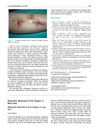 November 2012 in “Actas Dermo-Sifiliográficas”
 An 86-year-old man had a rare tongue melanoma but refused treatment, showing the need for early cancer detection and treatment.
 April 2016 in “Journal of Investigative Dermatology”
 Tumor cell adhesion is linked to higher risk of SLN metastasis and melanoma recurrence, and a model including these factors predicts these outcomes better than one with just clinical data.
 29 citations
,
April 2019 in “Acta neuropathologica communications”
29 citations
,
April 2019 in “Acta neuropathologica communications” Stopping mitochondrial respiration can prevent brain cancer spread in skin cancer patients, and plant compound β-sitosterol could help achieve this.
 January 2011 in “Yearbook of Dermatology and Dermatologic Surgery”
 Thicker melanomas and nodular types are more likely to spread to sentinel lymph nodes.
31 citations
,
March 2014 in “Journal of the European Academy of Dermatology and Venereology” BRAF inhibitors for melanoma often cause skin side effects, but they can be managed with proper care.
 1 citations
,
June 2023 in “JAAD case reports”
1 citations
,
June 2023 in “JAAD case reports” Nivolumab treatment led to hair regrowth in a man with metastatic melanoma and alopecia areata.
32 citations
,
May 2016 in “European journal of dermatology/EJD. European journal of dermatology” Targeted therapies for advanced skin cancer often cause hair and nail problems, which need managing to avoid changing the treatment dose.
 6 citations
,
April 2013 in “Current Dermatology Reports”
6 citations
,
April 2013 in “Current Dermatology Reports” Dermatologists are crucial for managing skin side effects in metastatic melanoma patients using vemurafenib and ipilimumab.
173 citations
,
July 2012 in “British Journal of Dermatology” Dabrafenib can cause skin growths and sometimes low-grade skin cancer.
10 citations
,
January 2012 in “Journal of Oncology” The surrounding tissue plays a crucial role in the growth and spread of skin cancer.
 6 citations
,
November 2017 in “Journal of the European Academy of Dermatology and Venereology”
6 citations
,
November 2017 in “Journal of the European Academy of Dermatology and Venereology” A woman got melanoma on her scalp after anti-hair loss treatment with injections.
48 citations
,
April 2021 in “Pharmaceuticals” Liposomal curcumin improves skin cancer treatment effectiveness while sparing normal cells.
 8 citations
,
June 2016 in “Journal of Cutaneous Pathology”
8 citations
,
June 2016 in “Journal of Cutaneous Pathology” Two women were diagnosed with a rare melanoma that looked like hair loss but was actually a type of skin cancer.
 April 2016 in “Journal of Investigative Dermatology”
 SOX4 is crucial for the development of melanoma.
 March 2011 in “Journal of Dermatology”
 The conclusion is that a certain test might help find cancer spread in lymph nodes for melanoma patients, but more research is needed due to false positives.
 April 2023 in “Journal of Investigative Dermatology”
 The AI model somewhat predicts lymph node status in melanoma patients using skin sample images.
 March 2024 in “Frontiers in genetics”
 Different types of fibroblasts play specific roles in wound healing and cancer, which could help improve treatments.
149 citations
,
January 2015 in “Journal of the American Academy of Dermatology” Targeted cancer therapies often cause skin side effects, needing dermatologist care.
 21 citations
,
March 2015 in “Journal of The American Academy of Dermatology”
21 citations
,
March 2015 in “Journal of The American Academy of Dermatology” Vemurafenib therapy can cause hair loss, but clobetasol propionate foam can help regrow hair.
10 citations
,
September 2016 in “Journal of cutaneous medicine and surgery” Patients on dabrafenib and trametinib for melanoma often experience skin side effects.
 1 citations
,
March 2011 in “Journal of Investigative Dermatology”
1 citations
,
March 2011 in “Journal of Investigative Dermatology” Blocking RANK signaling might help treat metastatic melanoma, but more research is needed.
March 2026 in “Skin Appendage Disorders” Some patients on immune therapy for melanoma may develop scarring hair loss, but cancer treatment remains effective.

Immune therapy for cancer can cause rare hair loss but doesn't stop treatment success.

Immune therapy for cancer can cause hair loss scars in some patients.
 March 2024 in “International journal of pharmaceutical and bio-medical science (Print)”
 Angelica Sinensis and Chinese Arborvitae have various medicinal benefits, including anti-inflammatory and anti-cancer effects.
9 citations
,
October 2015 in “Cutaneous and ocular toxicology” Vemurafenib can cause scalp issues but can be managed without changing the dose.
 8 citations
,
January 2011 in “Experimental and Therapeutic Medicine”
8 citations
,
January 2011 in “Experimental and Therapeutic Medicine” Stromal cells in melanoma promote tumor growth and spread.
 21 citations
,
February 2013 in “Clinics in Dermatology”
21 citations
,
February 2013 in “Clinics in Dermatology” New treatments for advanced skin cancer are improving patient outcomes, but drug resistance and finding the right treatment combinations are still big challenges.
5 citations
,
June 2011 in “InTech eBooks” High S100B protein levels indicate poor survival in advanced melanoma.