1 citations
,
June 2009 in “Integrated Environmental Assessment and Management” Selenium is essential in small amounts but toxic in excess, requiring careful management.
 November 2009 in “Reactions Weekly”
 Two women lost hair after mesotherapy for hair loss, with one having permanent and the other temporary hair loss.
September 1992 in “Journal of Dermatological Science”  January 2026 in “Journal of Sexual and Mental Health”
 New male contraceptive pills show promise in reducing sperm production with mild side effects.
1 citations
,
January 2015 in “MOspace Institutional Repository (University of Missouri)” Probiotics improve soil quality and plant root growth but not auxin content.
 November 2025 in “Discover Pharmaceutical Sciences”
 The essential oils nanoemulsion promotes hair growth better than 2% minoxidil in mice.
 June 2024 in “BioSCIENCE”
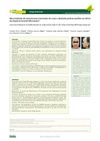
 Microinfusion of methotrexate can help treat frontal fibrosing alopecia.
3 citations
,
September 2016 in “Clinical, cosmetic and investigational dermatology” Sphinganine can reduce hair loss and improve scalp health.
The serum improved hair growth and comfort after hair transplant.
11 citations
,
November 2023 in “Journal of Functional Biomaterials” The ALGCS/GO30 scaffold effectively boosts mouse spermatogonial stem cell growth.
 6 citations
,
April 2014 in “European journal of medicinal chemistry”
6 citations
,
April 2014 in “European journal of medicinal chemistry” New compounds similar to cromakalim were less effective at inhibiting insulin release but improved in solubility and one acted as a calcium entry blocker, not a potassium channel opener.
A new peptide, murikal/SPR4, was found to significantly increase hair growth in mice, and its liposomal topical formulations enhanced hair growth more than commercial products. However, results on human scalp skin were unclear, needing more tests.
December 2025 in “Advanced Healthcare Materials” The Spherical Skin Model improves drug and cosmetic testing by accurately mimicking human skin for efficient compound screening.
June 2015 in “Reactions weekly” December 2012 in “Reactions weekly”  April 2024 in “Research Square (Research Square)”
 Selenium supplements can help improve symptoms and metabolic markers in lupus patients.
 March 2026 in “Nutrients”
 Hair manganese may relate to cardiometabolic health, not coronary artery disease severity.
October 2025 in “Journal of the Endocrine Society” Combining medication and minimally invasive techniques can effectively manage Marine-Lenhart syndrome.
January 2005 in “The Chinese Journal of Dermatovenereology” High fluoride increases damage in hair follicles, but low selenium can reduce this damage at lower fluoride levels.
5 citations
,
April 2024 in “Science China Materials” January 2015 in “대한미용학회지” Sandalwood oil promotes hair growth in mice.
Mesotherapy is more effective and preferred for female hair loss than topical minoxidil.
 October 2022 in “Research Square (Research Square)”
 The conclusion is that certain chemicals from Bacillus subtilis help improve plant root growth through a hormone-related process.
April 2023 in “Advances in Natural Sciences: Nanoscience and Nanotechnology” The new formulation with minoxidil, chitosan, and Aloe vera improves hair growth and reduces side effects.
 11 citations
,
August 2007 in “Bioorganic & Medicinal Chemistry Letters”
11 citations
,
August 2007 in “Bioorganic & Medicinal Chemistry Letters” Scientists made a chemical (compound 4e) that can be applied on skin to reduce oil production, which can help with acne, but it might cause skin sensitivity to light.
1 citations
,
January 2018 in “Molecular and integrative toxicology” Getting the right amount of selenium is important for health; too little can cause disease, and too much can lead to toxicity.
 August 2011 in “Planta Medica”
 4-O-methylhonokiol from Magnolia Officinalis may promote hair growth by interfering with TGF-β1 effects in skin cells.
16 citations
,
April 1998 in “Journal of Investigative Dermatology” ACTH promotes hair growth in mink, but α-MSH does not.
56 citations
,
July 2014 in “PloS one” SARMs may be an effective treatment for a certain type of breast cancer by blocking cancer growth and spread.