July 2021 in “Belarusian State Pedagogical University repository (Belarusian State Pedagogical University)” PMC shows promise as a treatment for hair loss.
 24 citations
,
September 1996 in “Mycoses”
24 citations
,
September 1996 in “Mycoses” Androgenic steroids can slow down or stop the growth of certain skin fungi.
Trichosol™ with Minoxidil can boost hair growth by 20%.
 1 citations
,
June 2024 in “Revista Colombiana de Endocrinología Diabetes & Metabolismo”
1 citations
,
June 2024 in “Revista Colombiana de Endocrinología Diabetes & Metabolismo” The risks of testosterone implants in women outweigh the benefits.
New steroid derivatives show promise as anticancer agents, even against resistant cells.
 June 2025 in “International Journal of Applied Pharmaceutics”
 A testosterone-induced hair loss model in mice was successfully created for future research and treatment testing.
August 2025 in “Journal of the American Academy of Dermatology” December 2025 in “Current Issues in Molecular Biology” New steroid compounds may help with hormonal therapy and have potential benefits for glucose disorders, but more research is needed.
3 citations
,
June 2018 in “Bioorganic & medicinal chemistry” Compounds 4, 4b, and 4c effectively inhibit an enzyme linked to testosterone conversion without significant toxicity.
54 citations
,
June 2008 in “Planta Medica” Hinokitiol may help treat hair loss by reducing inflammation and promoting hair growth.
 April 2016 in “Journal of Investigative Dermatology”
 FOL-005, a new substance, was found to reduce hair growth without toxicity when injected into skin, suggesting it could be used to treat excessive hair growth.
 2 citations
,
January 2006 in “Durham e-Theses (Durham University)”
2 citations
,
January 2006 in “Durham e-Theses (Durham University)” Androsterone and finasteride have different solid forms, with new findings correcting previous errors and identifying a new form.
October 2022 in “Journal of the ASEAN Federation of Endocrine Societies” GnRH-a or orchiectomy is more effective than anti-androgens for managing hormone levels in transgender women.
 2 citations
,
April 2023 in “Pharmaceuticals”
2 citations
,
April 2023 in “Pharmaceuticals” Testosterone therapy for postmenopausal women appears safe and may protect against heart disease, but requires constant monitoring and more research for long-term effects.
56 citations
,
January 1999 in “The Analyst” The method accurately measures certain steroids in human hair, showing different levels in males and females.
February 2023 in “Materials today bio” The treatment effectively promotes hair regrowth in androgenetic alopecia without causing skin irritation.
 11 citations
,
August 2007 in “Bioorganic & Medicinal Chemistry Letters”
11 citations
,
August 2007 in “Bioorganic & Medicinal Chemistry Letters” Scientists made a chemical (compound 4e) that can be applied on skin to reduce oil production, which can help with acne, but it might cause skin sensitivity to light.
October 2022 in “Zenodo (CERN European Organization for Nuclear Research)” Truman Plus Male Enhancement may help boost testosterone and improve sexual health, but severe cases need medical treatment.
Both treatments for localized alopecia areata are equally effective.
 March 2025 in “Scientific Reports”
 Menthol-based microemulsions improve skin delivery of finasteride and silodosin.
April 2014 in “The FASEB Journal” Testosterone reduces knee movement, while flutamide and finasteride increase it.
1 citations
,
December 2007 in “Journal of Microbiology and Biotechnology” Minoxidil in triamino alpha-cyclodextrin promotes hair growth effectively.
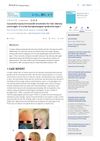 January 2024 in “Pediatric Dermatology”
 Minoxidil improved hair growth in a child with a rare genetic disorder.
 June 2026 in “Oriental Journal Of Chemistry”
 Steroid 12 shows promise as a targeted treatment for prostate cancer by selectively reducing cell growth and increasing cell death.
3 citations
,
January 2019 in “Research journal of pharmacy and technology” The hair tonic with menthol grew longer hair, but both formulas had similar overall hair growth.
 April 2022 in “Molecules”
 Teak leaf extract contains compounds that could help treat hair loss.
13 citations
,
January 1997 in “Biochemical Pharmacology” Human liver enzyme DHEA ST helps process minoxidil.
14 citations
,
April 2024 in “The Journal of Steroid Biochemistry and Molecular Biology” 5α-reductases increase epitestosterone's effect on androgen receptors.
 September 2025 in “Journal of the American Academy of Dermatology”
 Sublingual minoxidil significantly improves hair growth in transgender individuals on testosterone therapy.
March 2023 in “Archives of Physical Medicine and Rehabilitation” Testosterone and finasteride improve muscle strength and size after spinal cord injury.