 3 citations
,
January 2015 in “Nasza Dermatologia Online”
3 citations
,
January 2015 in “Nasza Dermatologia Online” Some treatments for autoimmune hair loss work, but JAK inhibitors like tofacitinib are promising for regrowth.
 2 citations
,
January 2023 in “Prague Medical Report”
2 citations
,
January 2023 in “Prague Medical Report” JAK inhibitors, like baricitinib, are effective and safe for treating alopecia areata.
 2 citations
,
January 2013 in “Elsevier eBooks”
2 citations
,
January 2013 in “Elsevier eBooks” The document explains the genetic causes and characteristics of inherited hair disorders.
 2 citations
,
January 2002 in “Hormone Research in Paediatrics”
2 citations
,
January 2002 in “Hormone Research in Paediatrics” Molecular diagnostics help identify genetic defects causing endocrine diseases, improving diagnosis and treatment options.
 2 citations
,
January 2023 in “International journal of biological sciences”
2 citations
,
January 2023 in “International journal of biological sciences” Gray hair can potentially be reversed, leading to new treatments.
 1 citations
,
October 2025 in “Cureus”
1 citations
,
October 2025 in “Cureus” Ritlecitinib may cause severe musculoskeletal pain in some alopecia universalis patients.
 1 citations
,
May 2017 in “InTech eBooks”
1 citations
,
May 2017 in “InTech eBooks” The document concludes that alopecia areata is an unpredictable autoimmune hair loss condition with no cure, but various treatments exist that require personalized approaches.
 March 2026 in “Calcified Tissue International”
 The EDA pathway plays a key role in bone development by interacting with other signaling pathways.

Understanding hair follicle signaling can improve hair disorder treatments.
 November 2025 in “Bioscientia Medicina Journal of Biomedicine and Translational Research”
 A combined treatment with microneedling and vitamin D3 led to complete hair regrowth in a woman with stubborn patch alopecia areata.
 July 2025 in “International Journal of Dermatology Venereology and Leprosy Sciences”
 Higher stress levels may worsen alopecia areata, suggesting stress management is important for treatment.
Frontal fibrosing alopecia can be managed with personalized combination therapies, but no cure exists yet.
 December 2024 in “Clinical Cosmetic and Investigational Dermatology”
 Alopecia areata might help slow down certain cancers.

Using scalp stem cells can improve hair transplants.
 November 2024 in “Benha Journal of Applied Sciences”
 Reduced alpha smooth muscle actin may cause hair loss in androgenetic alopecia.
 March 2022 in “Benha Journal of Applied Sciences”
 ULBP3 levels are higher in Tinea capitis patients and may help predict the disease's severity.
 January 2022 in “The Egyptian Journal of Hospital Medicine”
 Higher IL-21 levels may help predict alopecia areata activity.
 April 2021 in “Sohag Medical Journal”
 Alopecia areata is an autoimmune condition causing hair loss, linked to genetic factors and immune system issues, with no cure yet.
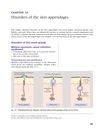 December 2016 in “John Wiley & Sons, Ltd eBooks”
 The document concludes that proper recognition and treatment of skin appendage disorders are important for management.
 June 2014 in “Basic & Clinical Pharmacology & Toxicology”
 Some plant extracts may treat livestock diseases, certain animal treatments are safe and effective, but more research on drug safety and resistance is needed.
 April 2003 in “Experimental Dermatology”
 The workshop highlighted the genetic links and psychological impacts of hair loss and skin disorders.
Alopecia areata patients have higher levels of certain immune receptors, suggesting new treatment possibilities.
 115 citations
,
March 2019 in “Nature Communications”
115 citations
,
March 2019 in “Nature Communications” Frontal fibrosing alopecia is linked to four genetic areas, especially the HLA-B*07:02 allele.
 79 citations
,
March 2017 in “Dermatologic clinics”
79 citations
,
March 2017 in “Dermatologic clinics” Vitiligo affects overall health and self-esteem, needing more research and awareness.
 24 citations
,
October 2014 in “Cold Spring Harbor Perspectives in Medicine”
24 citations
,
October 2014 in “Cold Spring Harbor Perspectives in Medicine” Genetic research has advanced our understanding of skin diseases, but complex conditions require an integrative approach for deeper insight.
 3 citations
,
May 2024 in “Amino Acids”
3 citations
,
May 2024 in “Amino Acids” Disrupted cysteine metabolism may cause hair breakage in Alopecia Areata, suggesting potential treatments like N-acetylcysteine.
 1 citations
,
November 2025 in “Clinical and Experimental Medicine”
1 citations
,
November 2025 in “Clinical and Experimental Medicine” lncRNAs are important for understanding and treating skin diseases.
 March 2023 in “Clinical, cosmetic and investigational dermatology”
 IL-33 is linked to hair follicle damage in psoriasis and could be a treatment target for hair loss in this condition.
 January 2023 in “Annals of Dermatology”
 Patients with a specific genetic variant have more severe alopecia areata and higher recurrence rates.
 December 2020 in “bioRxiv (Cold Spring Harbor Laboratory)”
 Stress can cause a type of hair loss in mice lacking the CCHCR1 gene.