May 2019 in “CINECA IRIS Institutial Research Information System (University of Genoa)” MITF+ melanoma patients are more likely to have multiple melanomas and unique skin patterns.
 6 citations
,
May 2022 in “Medicina-lithuania”
6 citations
,
May 2022 in “Medicina-lithuania” IMA may indicate oxidative stress in skin and hair disorders, but more research is needed.
 20 citations
,
May 2023 in “Biological Trace Element Research”
20 citations
,
May 2023 in “Biological Trace Element Research” Daily intake of 0.5 or 5 mg cobalt ferrite nanoparticles can harm lungs through oxidative and inflammatory stress.
 1 citations
,
November 2017 in “The journal of investigative dermatology/Journal of investigative dermatology”
1 citations
,
November 2017 in “The journal of investigative dermatology/Journal of investigative dermatology” Mohs micrographic surgery is effective for treating basal cell carcinoma on the eyelid, while radiotherapy has higher recurrence rates, and topical vitamin D3 may reduce and delay BCC formation in mice.
8 citations
,
March 2022 in “Cancers” Proton minibeam radiotherapy may reduce skin side effects by causing localized DNA damage.
5 citations
,
July 1999 in “Journal of Anatomy” Methylene blue staining effectively highlights detailed nerve structures in rat fur.
20 citations
,
February 2017 in “European journal of pharmaceutical sciences” The MPA-ISO cocrystal improved solubility and dissolution rate, while the others did not.
18 citations
,
February 2020 in “Journal of pharmaceutical and biomedical analysis” The method accurately measures hormones and endocannabinoids in mice, showing gut microbiota diversity affects these levels and may influence stress and reproductive systems.
7 citations
,
March 2024 in “Biomedical Engineering Letters” 1 citations
,
January 2010 in “Han-guk hyeonmigyeong hakoeji/Applied microscopy” Straight permed hair loses weight faster than virgin hair when heated, but ends up heavier after burning.
August 2025 in “Stem Cells” A systems biology approach helps improve mesenchymal stromal cell therapies by mapping interactions and identifying treatment targets.
6 citations
,
August 2016 in “Journal of Visualized Experiments” The CUBIC protocol allows detailed 3D visualization of proteins in mouse skin biopsies.
 January 2026 in “Drug Delivery and Translational Research”
 Multicomponent crystals in microneedles improve drug delivery for hair loss treatment.
 January 2022 in “Turkiye Klinikleri Journal of Dermatology”
 The Turkish version of the MAIA-2 Scale is valid and reliable for patients at a dermatology clinic.
 38 citations
,
June 2018 in “Archives of Toxicology”
38 citations
,
June 2018 in “Archives of Toxicology” Different species and human skin models vary in their skin enzyme activities, with pig skin and some models closely matching human skin, useful for safety assessments and understanding the skin's protective roles.
 March 2014 in “Journal of The American Academy of Dermatology”
 Reflectance confocal microscopy can noninvasively diagnose onychomatricoma by showing unique features different from healthy nails or nail fungus.
64 citations
,
June 2009 in “Photomedicine and Laser Surgery” Excimer light effectively treats various skin diseases, including psoriasis, vitiligo, and mycosis fungoides.
11 citations
,
February 1982 in “Mutation Research/Fundamental and Molecular Mechanisms of Mutagenesis” A new method can detect mutations in mice by observing changes in hair follicle cells.
5 citations
,
January 2016 in “Hair therapy & transplantation” Miliacin combined with polar lipids boosts hair growth factor production, cell renewal, and increases collagen in hair tissue.
109 citations
,
November 2011 in “Nature Neuroscience” The tool accurately measures hair count and size on scalps with 79.45% and 68.19% accuracy, respectively.
 January 2017 in “NASA Technical Reports Server (NASA)”
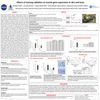
 Early changes in skin gene expression can predict later bone mass loss after radiation exposure.
5 citations
,
July 2022 in “Frontiers in Medicine” Combining microneedle-delivered ECM and radiofrequency improves skin elasticity and thickness more than ECM alone.
5 citations
,
March 2022 in “STAR Protocols” The method helps study hair follicle stem cells and calcium signals in mouse skin.
2 citations
,
August 2004 Early diagnosis and proper treatment improve outcomes for methylmalonic acidemia.
 28 citations
,
November 2020 in “Fluid Phase Equilibria”
28 citations
,
November 2020 in “Fluid Phase Equilibria” Minoxidil dissolves better in propylene glycol + water than in supercritical CO2.
February 2023 in “Default Digital Object Group”  41 citations
,
December 2015 in “Journal of the European Academy of Dermatology and Venereology”
41 citations
,
December 2015 in “Journal of the European Academy of Dermatology and Venereology” The conclusion is that a new biopsy technique and humidity chamber help study skin mites better and suggest mite overpopulation may cause skin diseases.
 April 2019 in “Journal of Investigative Dermatology”
 The search scheme SMRI is faster and more secure for retrieving encrypted data from the cloud.
6 citations
,
November 2017 in “Journal of the Peripheral Nervous System” Mercury exposure damages small nerve fibers in rats' skin.