 April 2016 in “Journal of The American Academy of Dermatology”
 People with hair loss have low zinc levels; zinc supplements and laser therapy may help.
 55 citations
,
July 2016 in “Dermatologic Therapy”
55 citations
,
July 2016 in “Dermatologic Therapy” Multiple treatments work best for hair loss.
 42 citations
,
October 2012 in “Dermatologic Clinics”
42 citations
,
October 2012 in “Dermatologic Clinics” Trichoscopy is a useful tool for diagnosing different hair and scalp diseases without surgery.
July 2026 in “JAAD reviews.” Female Pattern Hair Loss affects women's quality of life, with limited treatment options and a need for more research.
Pseudofolliculitis causes painful bumps and dark spots from shaving, especially in people with curly hair, and can be treated by changing shaving habits and using specific topical treatments.
 September 2016 in “Más dermatología”
 New factors in female hair loss include genetics, hormones, stress, and inflammation; future treatments should also focus on these areas and consider the patient's emotional well-being.
24 citations
,
January 2018 in “Indian Journal of Dermatology, Venereology and Leprology” Androgenetic alopecia is mainly caused by genetic factors and increased androgen activity, leading to hair follicle miniaturization.
 14 citations
,
December 2003 in “International Journal of Cosmetic Science”
14 citations
,
December 2003 in “International Journal of Cosmetic Science” Hair growth and shedding are linked and can be disrupted, causing a delay known as the hair eclipse phenomenon, which is common in certain hair conditions and could lead to new treatments.
 4 citations
,
May 2021 in “Dermatologic Clinics”
4 citations
,
May 2021 in “Dermatologic Clinics” The conclusion is that hair loss in women is caused by a mix of hormonal, environmental, and genetic factors, and treatments should target these various causes.
3 citations
,
October 2021 in “Indian Journal of Plastic Surgery” Pattern hair loss is mainly caused by genetics and hormones, with limited effective treatments available.
2 citations
,
May 2000 in “Additives for Polymers” Plant-based remedies and a multimodal approach can help manage hair loss.
 1 citations
,
March 2024 in “Ophthalmic Plastic and Reconstructive Surgery”
1 citations
,
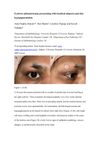
March 2024 in “Ophthalmic Plastic and Reconstructive Surgery” A pilomatrixoma in the eyebrow can cause hair loss and skin lightening.
 1 citations
,
March 2021 in “Dermatological reviews”
1 citations
,
March 2021 in “Dermatological reviews” AGA, a common hair loss, is caused by genetics, hormones, age, and environmental factors.
1 citations
,
January 2021 in “Journal of V. N. Karazin Kharkiv National University: Series Medicine” Nonandrogenic factors like oxidative stress and microinflammation are important in hair loss progression.
December 2025 in “Journal of Investigative Dermatology” Immune system issues may contribute to female pattern hair loss.
 November 2025 in “Stem Cell Research & Therapy”
 Human hair follicle cells can help regenerate hair and reduce inflammation, aiding in hair loss treatment.
August 2025 in “Journal of the American Academy of Dermatology” Combining PRP with microneedling and minoxidil may help treat severe hair loss.
 February 2025 in “European Journal of Dermatology”
 Androgenetic alopecia is complex and needs more research for better treatments.
Blocking GPR91 can help prevent and reverse hair loss in androgenetic alopecia.
 June 2023 in “Zenodo (CERN European Organization for Nuclear Research)”
 Inflammation in hair follicles is a key risk factor for developing common baldness.
 April 2023 in “Journal of Investigative Dermatology”
 The study suggests fibrosing alopecia in a pattern distribution has distinct features and may vary by race.

Androgenetic alopecia, or hair loss, is caused by a mix of genetics, hormones, and environment, where testosterone affects hair growth and causes hair to become smaller and grow for a shorter time.
January 2019 in “AYBU AVESIS” Increased oxidative stress and decreased antioxidants contribute to hair loss in androgenetic alopecia.
 March 2014 in “Journal of The American Academy of Dermatology”
 The new topical product combined with finasteride significantly increased hair thickness without side effects.
 March 2014 in “Journal of The American Academy of Dermatology”
 Mycophenolic acid may help hair growth, a combination treatment improves hair thickness in male hair loss, and early treatment of frontal fibrosing alopecia is important.
February 2013 in “UNESP Institutional Repository (São Paulo State University)” Female pattern alopecia causes hair thinning due to shrinking hair follicles.
September 2021 in “Eureka: Health Sciences” Androgenetic alopecia in women may be improved by targeting oxidative stress, inflammation, and fibrosis.
January 2018 in “Our Dermatology Online” Dutasteride injections can help hair growth in androgenic alopecia but need more research for long-term use.
 June 2017 in “Journal of The European Academy of Dermatology and Venereology”
 Alopecia patients have higher heart disease risk; statins and finasteride may help.
Effective hair loss treatment in men involves personalized care and combination therapies.