 April 2024 in “Nepal journal of dermatology, venereology & leprology”
 Vitamin D is important for skin health and can help treat and prevent various skin conditions.
Plasma gel and PRP treatments improve skin and hair with minimal side effects.

Bee pollen, green tea, essential oils, and various plant extracts improve skin and hair health.
 September 2023 in “bioRxiv (Cold Spring Harbor Laboratory)”
 Freezing gamma-irradiated amniotic fluid may help hair growth and speed up the growth phase.
 August 2020 in “Universidad Peruana de Ciencias Aplicadas (UPC)”
 Platelet-rich plasma (PRP) effectively improves acne scars.
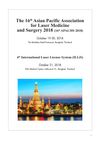 January 2019 in “LASER THERAPY”
 Laser technologies improve medical treatments and outcomes.

 January 2018 in “Springer eBooks”
 The document says that early treatment of Acne Vulgaris is important to prevent scarring and that adult onset acne is common in women, often due to hormonal imbalances.
 July 2017 in “British Journal of Dermatology”
 The document concludes that scalp conditions have various causes and can present in many different ways.
 January 2016 in “Georg Thieme Verlag eBooks”
 The document recommends personalized, culturally sensitive treatments to rejuvenate the aging Asian face, focusing on natural results and specific techniques for skin, hair, and facial features.