October 2025 in “International Journal of Molecular Sciences” Stem cells have great potential for treating various medical conditions.
March 2024 in “Agriculture” CRISPR/Cas9 gene-editing shows promise for improving sheep and goat breeding but faces challenges with efficiency and accuracy.
February 2024 in “Neurophotonics” Light therapy on the brain shows promise for treating brain diseases and improving brain function.
September 2023 in “Middle East Fertility Society Journal” Nicotine may help treat both Parkinson's disease and infertility.
 June 2023 in “Antioxidants”
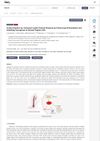
 Lipids from Schizochytrium sp. help prevent hair loss by protecting hair cells from damage and promoting hair growth.
 6 citations
,
April 2022 in “Biomedicine & pharmacotherapy”
6 citations
,
April 2022 in “Biomedicine & pharmacotherapy” Using three different drugs together may better treat eye diseases like glaucoma and macular degeneration.
13 citations
,
April 2022 in “BMC Genomics” Dandruff scalps have unstable microbes, more Malassezia, less Cutibacterium, and targeting Lactobacillus may help.
 11 citations
,
January 2023 in “BioMed Research International”
11 citations
,
January 2023 in “BioMed Research International” Microbial biosurfactants could be a safer and environmentally friendly alternative to chemical surfactants in cosmetics.
7 citations
,
January 2025 in “Current Issues in Molecular Biology” Microbial-derived polydeoxyribonucleotide is a better and more sustainable alternative to salmon-based versions for healing and immune support.
 7 citations
,
January 2010 in “Pharmacognosy Research”
7 citations
,
January 2010 in “Pharmacognosy Research” The tobacco leaf extract may help hair grow and could treat hair loss.
 5 citations
,
January 2024 in “American Journal of Translational Research”
5 citations
,
January 2024 in “American Journal of Translational Research” Gut bacteria affect female reproductive health and may help diagnose and treat related diseases.
3 citations
,
August 2021 in “European journal of medical research” Microbial biofilms may cause red scrotum syndrome.
 3 citations
,
November 2017 in “International Journal of Pharmacy and Pharmaceutical Sciences” 1 citations
,
January 2025 in “Journal of Cosmetic Dermatology”
3 citations
,
November 2017 in “International Journal of Pharmacy and Pharmaceutical Sciences” 1 citations
,
January 2025 in “Journal of Cosmetic Dermatology” Maintaining a balanced scalp microbiome can help reduce itchiness.
October 2025 in “Burns & Trauma” Engineered probiotics can help heal wounds faster, especially in diabetic foot ulcers.
July 2025 in “Journal of Investigative Dermatology” Reduced AhR signaling in HS tunnels leads to persistent inflammation and microbial imbalance.

Microbial imbalances on the scalp can help diagnose and manage hair loss early.
 June 2024 in “Skin Research and Technology”
 Red fluorescence in AGA scalps is linked to different microbes.
September 2021 in “Crop research/Crop Research” Aluminum foil packaging kept the biotin nutrition bar with the least bacteria after 30 days.
Current microbial test methods for hair cosmetics need revision due to strong bacteriostasis.
15 citations
,
January 2006 in “British Journal of Dermatology” A woman with skin eruptions and hair loss improved significantly with ointment treatment.
9 citations
,
January 2007 in “mediaTUM – the media and publications repository of the Technical University Munich (Technical University Munich)” Microbeam radiation therapy's dose distribution changes with depth.
 2 citations
,
January 2023 in “Pharmaceuticals”
2 citations
,
January 2023 in “Pharmaceuticals” Sex and sex hormones can affect brain inflammation in Parkinson's disease, with male mice being more affected and female mice showing a protective effect.
 May 2023 in “Cytotherapy”
 Hair follicle and adipose cell vesicles both protect neurons and reduce inflammation similarly.
 6 citations
,
October 2017 in “Oncotarget”
6 citations
,
October 2017 in “Oncotarget” Hairless mice are more vulnerable to Listeria infection, but gut microbiota can help reduce damage.
November 2023 in “Journal of Investigative Dermatology” Inhibiting EGFR weakens skin's defense against bacteria.
 January 2006 in “Seibutsu Butsuri”
 Curly and straight hair differ in how their internal fibers are arranged.
15 citations
,
October 2024 in “Nutrients” A plant-based diet and certain probiotics may improve skin health and reduce inflammation.
8 citations
,
October 2013 in “Chemistry Central Journal” Metabolite 7 is a strong inhibitor for Alzheimer's disease management.
 6 citations
,
May 2022 in “Frontiers in Microbiology”
6 citations
,
May 2022 in “Frontiers in Microbiology” Marine microbes could be used in cosmetics for sun protection, skin care, and possibly preventing hair loss.