 3 citations
,
September 2022 in “Frontiers in veterinary science”
3 citations
,
September 2022 in “Frontiers in veterinary science” Melatonin affects cashmere growth in goats by influencing stem cell and certain signaling pathways.
 1 citations
,
January 2021
1 citations
,
January 2021 CD4+ skin cells may be precursors to basal cell carcinoma.
A comprehensive human skin cell atlas was created to better understand skin biology and disease.
A comprehensive human skin cell atlas was created to better understand skin biology and disease.
 November 2021 in “Folia Microbiologica”
 Trichophyton bullosum has been found causing severe skin infections in donkeys in North Africa for the first time since 1933.
 82 citations
,
August 2017 in “Cell Reports”
82 citations
,
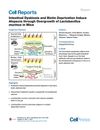
August 2017 in “Cell Reports” An imbalanced gut and lack of biotin can cause hair loss in mice.
 57 citations
,
March 2019 in “Immunity”
57 citations
,
March 2019 in “Immunity” The document concludes that the skin's immune system is complex, involving interactions with hair follicles, nerves, and microbes, and can protect or cause disease, offering targets for new treatments.
 26 citations
,
December 2019 in “Neurobiology of Stress”
26 citations
,
December 2019 in “Neurobiology of Stress” Post-finasteride syndrome causes lasting sexual, neurological, and physical side effects in some people after taking finasteride.
18 citations
,
September 2023 in “Experimental Dermatology” The skin microbiome plays a key role in treating atopic dermatitis.
11 citations
,
October 2024 in “International Journal of Molecular Sciences” Psoriasis patients have different skin bacteria, which may cause flare-ups.
8 citations
,
November 2024 in “Journal of Neuroendocrinology” Gut bacteria affect steroid levels, influencing health conditions and potential treatments.
8 citations
,
January 2024 in “Microorganisms” Dupilumab improves skin microbiome balance in atopic dermatitis patients.
 5 citations
,
January 2024 in “American Journal of Translational Research”
5 citations
,
January 2024 in “American Journal of Translational Research” Gut bacteria affect female reproductive health and may help diagnose and treat related diseases.
 5 citations
,
April 2023 in “BMC Microbiology”
5 citations
,
April 2023 in “BMC Microbiology” Shampoo with heat-killed Lacticaseibacillus paracasei GMNL-653 improves scalp health and hair growth by changing scalp bacteria.
 5 citations
,
October 2022 in “Phenomics”
5 citations
,
October 2022 in “Phenomics” Your skin is like an ecosystem, with its own community of microbes and substances that interact and affect its health.
4 citations
,
July 2024 in “Skin Research and Technology” Certain bacteria may influence alopecia areata risk, but skin bacteria don't mediate gut-skin effects.
4 citations
,
October 2021 in “Microorganisms” Men with androgenetic alopecia have different scalp oils and microbes compared to those without.
3 citations
,
June 2025 in “Biomedicines” Gut bacteria may influence hair loss in alopecia areata.
3 citations
,
March 2024 in “Frontiers in Cell and Developmental Biology” Prenatal and postnatal environments both affect PCOS development and gut microbiota in mice.
 3 citations
,
January 2022 in “Medical Mycology Journal”
3 citations
,
January 2022 in “Medical Mycology Journal” Malassezia fungi in healthy noses can form a "spaghetti-and-meatballs" structure.
2 citations
,
October 2025 in “ACS Infectious Diseases” The microbiome helps reduce inflammation after infections, but how it does this is not fully understood.
 1 citations
,
July 2023 in “Scientific Reports”
1 citations
,
July 2023 in “Scientific Reports” Wearing a hijab changes the common bacteria and fungi on the scalp, possibly affecting skin health.
1 citations
,
November 2022 in “Nutrients” Hair glucocorticoid levels and gut bacteria are linked to growth rates in piglets.
June 2026 in “BMC Microbiology” Cyanoacrylate glue effectively reduces contamination in hair follicle samples.
 February 2026 in “Animals”
 Methionine supplementation in low-protein diets improves growth, fur quality, and gut health in blue foxes.
 December 2025 in “ADMET & DMPK”
 Personalized treatments for hair loss focus on specific genetic and biological pathways.
 December 2025 in “Scientific Reports”
 Gut microbiota and metabolic pathways may play a key role in PCOS development.
 September 2025 in “Frontiers in Genetics”
 The method effectively extracts high-quality DNA from marmoset hair, avoiding blood chimerism.
 August 2025 in “Current Issues in Molecular Biology”
 Periplaneta americana extract helps hair regrowth in mice with alopecia.

Combining nanotechnology with herbal medicine may improve PCOS treatment.