 January 2024 in “Wiadomości Lekarskie”
 AI and advanced technologies are improving medical diagnostics and treatments.
 9 citations
,
December 2024 in “Clinical and Experimental Obstetrics & Gynecology”
9 citations
,
December 2024 in “Clinical and Experimental Obstetrics & Gynecology” PCOS is a major cause of infertility and requires personalized treatment.

Obesity is linked to many gastrointestinal diseases and needs more research for treatment development.
 12 citations
,
February 2023 in “Journal of Personalized Medicine”
12 citations
,
February 2023 in “Journal of Personalized Medicine” Type 1 diabetes often occurs with other autoimmune diseases, and personalized treatment based on genetics can improve outcomes.
 January 2025 in “Journal of Medical Biochemistry”
 Superoxide dismutases help balance cell stress and may aid cancer treatment.

More research is needed to confirm the potential of various treatments, including Helichrysum plicatum, vitamins, bromelain, personalized medications, hydrogels, and bacteriophage therapy.
 1 citations
,
September 2025 in “EMJ Dermatology”
1 citations
,
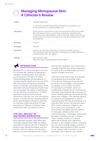
September 2025 in “EMJ Dermatology” Menopause affects skin and hair, and more research is needed for effective treatments.
 2 citations
,
December 2011 in “Annales de Dermatologie et de Vénéréologie”
2 citations
,
December 2011 in “Annales de Dermatologie et de Vénéréologie” 2011 dermatological research found new skin aging markers, hair loss causes, skin defense mechanisms, and potential for new treatments.
 January 2026 in “Physical Education Health and Social Sciences”
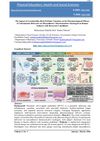
 Combining probiotics, clotrimazole gel, and laser therapy improves treatment for recurrent yeast infections.
 November 2017 in “British Journal of Dermatology”
 Organ transplant recipients have a higher risk of skin cancer over time, atopic dermatitis skin shows unusual bacterial and fungal patterns, a new tool for measuring hidradenitis suppurativa severity was created, and gene expression changes in male baldness suggest new treatments.
 18 citations
,
January 2013 in “Postepy Dermatologii I Alergologii”
18 citations
,
January 2013 in “Postepy Dermatologii I Alergologii” Puberty often causes skin issues like acne and excessive sweating, and treatments require patience as results may vary.
 3 citations
,
June 2023 in “Frontiers in medicine”
3 citations
,
June 2023 in “Frontiers in medicine” Oxidative stress may contribute to hair loss in alopecia areata and antioxidants could potentially help as a treatment.
 2 citations
,
October 2025 in “Discover Immunity.”
2 citations
,
October 2025 in “Discover Immunity.” Alopecia Areata is an autoimmune disease causing hair loss, with no cure yet, but research may lead to new treatments.
 January 2020 in “Journal of The European Academy of Dermatology and Venereology”
 In 2019, dermatology and venereology improved skin cancer imaging, advanced in treating skin conditions like psoriasis, and explored the skin microbiome's role in diseases.
 April 2024 in “Journal of cancer research and clinical oncology”
 Tissue-derived extracellular vesicles are crucial for cancer diagnosis, prognosis, and treatment.
 8 citations
,
February 2022 in “Journal of Clinical Medicine”
8 citations
,
February 2022 in “Journal of Clinical Medicine” Many COVID-19 patients experience temporary hair loss after infection, not linked to infection severity or treatment.
August 2025 in “Obstetrics and gynecology.” PCOS requires personalized treatment to manage symptoms and improve fertility and quality of life.
November 2025 in “British Journal of Dermatology” The guideline recommends personalized treatment for alopecia areata, including new oral medications and psychological support.
13 citations
,
April 2022 in “Journal of Mind and Medical Sciences” IBD treatment is complex and requires personalized approaches due to varying patient responses.
4 citations
,
April 2025 in “Frontiers in Immunology” Extracellular vesicles could offer precise treatments for psychiatric conditions by targeting brain networks.
18 citations
,
July 2016 in “Clinics in dermatology” Nutrition affects skin health differently based on age and condition.
5 citations
,
November 2025 in “Cells” Advancements in wound healing aim to improve personalized treatments and enhance healing outcomes.
8 citations
,
March 2023 in “British Journal of Dermatology” Next-generation sequencing greatly improves understanding and treatment of genetic hair disorders.
 March 2026 in “Journal of Nanotheranostics”
 Nanotechnology improves CRISPR-Cas9 delivery for cancer treatment, but challenges remain.
1 citations
,
August 2025 in “Molecules” Hederagenin shows promise for cancer and inflammation treatment but needs modifications to improve effectiveness.
January 2025 in “Health engineering.” Combining stem cells and organoids could improve skin regeneration treatments.
7 citations
,
February 2023 in “Exploration of Medicine” Drug repurposing offers promising strategies to improve tuberculosis treatment despite challenges.
8 citations
,
July 2023 in “Frontiers in Pharmacology” Cepharanthine shows promise as a COVID-19 treatment.
 1 citations
,
January 2023 in “International Journal of Molecular Sciences”
1 citations
,
January 2023 in “International Journal of Molecular Sciences” Understanding how Regulatory T Cells work could help create treatments for certain skin diseases and cancers.
 January 2025 in “PROTEOMICS”
 Drug repositioning is a promising way to quickly develop new treatments, especially for rare diseases.