 November 2020 in “Journal of Pharmaceutical Sciences”
 The decision tree can predict drug absorption issues with good accuracy but needs more validation and adjustments for other factors.

Laser hair removal may cause skin changes that prevent hair regrowth.
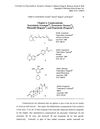
Isotretinoin and tazarotene help treat acne, while minoxidil and finasteride promote hair growth.
 October 2015 in “Elsevier eBooks”
 Finasteride helps hair growth and prostate issues but may cause sexual side effects and increase tumor risk.
19 citations
,
August 2024 in “Cell Host & Microbe” 2 citations
,
December 2023 in “International journal of molecular sciences” Wound healing is greatly affected by the types of bacteria present, which can either help or hinder the process.
18 citations
,
February 2020 in “Journal of pharmaceutical and biomedical analysis” The method accurately measures hormones and endocannabinoids in mice, showing gut microbiota diversity affects these levels and may influence stress and reproductive systems.
 July 2025 in “BMC Microbiology”
 Pancreatic cancer can alter gut and skin bacteria, possibly causing skin issues.
3 citations
,
January 2017 in “Chinese Science Bulletin (Chinese Version)” Balancing gut microbes and managing stress can help improve skin conditions like eczema and acne.
September 2025 in “Frontiers in Microbiology” Modifying gut bacteria may help treat and prevent osteoarthritis.
1 citations
,
October 2025 in “EBioMedicine” Women have a higher DHT/testosterone ratio than men, possibly due to gut bacteria activity.
4 citations
,
July 2024 in “Skin Research and Technology” Certain bacteria may influence alopecia areata risk, but skin bacteria don't mediate gut-skin effects.
40 citations
,
July 2008 in “PROTEOMICS” A new model helps study acne and test treatments.
13 citations
,
April 2022 in “BMC Genomics” Dandruff scalps have unstable microbes, more Malassezia, less Cutibacterium, and targeting Lactobacillus may help.
July 2024 in “International Journal of Molecular Sciences” MicroRNAs could help assess and manage multiple chronic diseases.
 April 2026 in “Zenodo (CERN European Organization for Nuclear Research)”
 Microbes in the small intestine may cause Post-Finasteride Syndrome symptoms.
 April 2026 in “Open MIND”
 Microbes in the small intestine may cause Post-Finasteride Syndrome symptoms.
7 citations
,
September 2020 in “Bioscience Biotechnology and Biochemistry” The scalp has more diverse bacteria, while hair has more bacteria and unique types.
June 2020 in “Zenodo (CERN European Organization for Nuclear Research)” Controlled microflora in animals delays immune cell maturation and affects immunity.
September 2025 in “Medicine & Science in Sports & Exercise” Gender-affirming hormone therapy and surgery affect gut bacteria differently.

Certain gut bacteria may protect against or increase the risk of hair loss.
 May 2025 in “Annals of surgical case reports & images.”
 Certain gut bacteria may protect against hair loss, while others may increase the risk.
 April 2024 in “Frontiers in microbiology”
 Certain gut bacteria may increase or decrease the risk of male pattern baldness.
1 citations
,
November 2009 February 2026 in “International Journal of Clinical Dermatology” Certain probiotics can help improve skin conditions like atopic dermatitis, but more research is needed.
37 citations
,
February 2023 in “Gut Microbes” Gut bacteria can lower androgen levels in male mice.
 April 2016 in “Journal of Investigative Dermatology”
 Retinoids change the fat content in skin oil and reduce bacteria growth, helping to treat acne.
 December 2024 in “Medicine”
 Gut bacteria may affect hair loss risk.
6 citations
,
January 2024 in “International Journal of Dermatology” Certain gut bacteria may cause alopecia areata.
2 citations
,
July 2022 in “bioRxiv (Cold Spring Harbor Laboratory)” Certain gut bacteria can lower androgen levels in male mice.