 14 citations
,
January 2020 in “International Journal of Biological Sciences”
14 citations
,
January 2020 in “International Journal of Biological Sciences” Ranitidine and finasteride lower TMAO levels, reducing heart and kidney damage by changing gut bacteria.
January 2018 in “Florence Research (University of Florence)” Melanoma and vitiligo patients have different gut fungi and bacteria compared to healthy people.
100 citations
,
August 2022 in “Microbial Cell Factories” Balancing skin microbiota is crucial for healthy skin and treating skin diseases.
2 citations
,
November 2025 in “International Journal of Molecular Sciences” Balancing good and harmful microbes is key to healing chronic wounds.
 1 citations
,
December 2023 in “npj biofilms and microbiomes”
1 citations
,
December 2023 in “npj biofilms and microbiomes” Single-cell engineered biotherapeutics show promise for skin treatment but need more research and trials.

Certain gut bacteria may protect against or increase the risk of hair loss.
 September 2023 in “International Journal of Cosmetic Science”
 Both shampoos increased scalp germ numbers but did not change the overall microbial community composition.
 1 citations
,
January 2022 in “The Keio Journal of Medicine”
1 citations
,
January 2022 in “The Keio Journal of Medicine” Hair follicles regulate immune cells in the skin, and disrupting certain pathways can lead to skin issues and infections.
40 citations
,
September 2019 in “World journal of clinical cases” An elderly man's hair grew back after a treatment that transferred healthy gut bacteria.
10 citations
,
April 2024 in “International Journal of Molecular Sciences” Gut bacteria differences may influence alopecia areata.
 1 citations
,
July 2023 in “Scientific Reports”
1 citations
,
July 2023 in “Scientific Reports” Wearing a hijab changes the common bacteria and fungi on the scalp, possibly affecting skin health.

Allergen reactivity in scalp seborrheic dermatitis should be managed with barrier repair and microbiome-focused strategies.
 November 2025 in “Cureus”
 PCOS-related acne can be managed by targeting hormones and insulin resistance.
June 2025 in “Frontiers in Immunology” Sampling methods greatly affect skin microbiome data in acne studies.
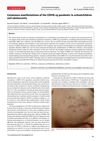 January 2023 in “Acta dermatovenerologica Alpina, Pannonica et Adriatica (Tiskana izd.)”
 The article concludes that schoolchildren and adolescents experienced various skin issues during the COVID-19 pandemic, including acne from masks and other skin reactions from the virus and vaccines.
8 citations
,
July 2025 in “Gels” Functionalized hydrogels can help heal tissues and fight infections by delivering beneficial bacteria and antimicrobials.
5 citations
,
September 2022 in “Frontiers in Nutrition” Gut bacteria differences may help diagnose and treat Alopecia areata.
3 citations
,
March 2024 in “Frontiers in Cell and Developmental Biology” Prenatal and postnatal environments both affect PCOS development and gut microbiota in mice.
 1 citations
,
January 2023 in “Metabolites”
1 citations
,
January 2023 in “Metabolites” Changes in gut bacteria can contribute to the development of Polycystic Ovary Syndrome (PCOS), affecting metabolism, immunity, and causing inflammation. Treatments may involve adjusting these factors.
 February 2026 in “Probiotics and Antimicrobial Proteins”
 Modifying gut bacteria with pro- and postbiotics may help treat hair loss.
 July 2025 in “BMC Microbiology”
 Pancreatic cancer can alter gut and skin bacteria, possibly causing skin issues.
 January 2025 in “International Journal for Research Trends and Innovation”
 PCOS management benefits from combining traditional herbs, modern medicine, and lifestyle changes.
 125 citations
,
August 2020 in “Frontiers in Immunology”
125 citations
,
August 2020 in “Frontiers in Immunology” Men generally have more severe COVID-19 cases and higher death rates than women due to biological differences.
 78 citations
,
June 2021 in “Dermatology and Therapy”
78 citations
,
June 2021 in “Dermatology and Therapy” Future acne treatments should aggressively target inflammation to prevent scarring.
 78 citations
,
October 2020 in “Experimental Dermatology”
78 citations
,
October 2020 in “Experimental Dermatology” Hidradenitis suppurativa is caused by genetic factors, inflammation, bacteria, hormones, and lifestyle factors like obesity and smoking.
 73 citations
,
April 2019 in “Experimental Dermatology”
73 citations
,
April 2019 in “Experimental Dermatology” The scalp's microorganisms significantly affect hair health and disease.
 36 citations
,
June 2019 in “eLife”
36 citations
,
June 2019 in “eLife” The study developed a tool to predict how gut microbes process foods and drugs, showing that similar compounds often share metabolic pathways and effects.
4 citations
,
July 2024 in “Skin Research and Technology” Certain bacteria may influence alopecia areata risk, but skin bacteria don't mediate gut-skin effects.
 4 citations
,
October 2022 in “Genes”
4 citations
,
October 2022 in “Genes” Our microbiome may affect the development of the hair loss condition Alopecia Areata, but more research is needed to understand this relationship.
1 citations
,
July 2025 in “Barrier Immunity” A holistic approach is crucial for treating skin disorders and restoring barrier function.