August 2020 in “SKIN The Journal of Cutaneous Medicine” Cetuximab can cause skin cysts after acne-like eruptions.
1 citations
,
August 2025 in “Frontiers in Medicine” MicroRNAs could lead to new treatments for skin diseases, but more research is needed.
 July 2026 in “Lasers in Medical Science”
 Fractional microneedle radiofrequency is effective and safe for skin rejuvenation and acne scars.
 5 citations
,
July 2018 in “The Egyptian Journal of Hospital Medicine”
5 citations
,
July 2018 in “The Egyptian Journal of Hospital Medicine” The conclusion is that antibiotics are not the best acne treatment and early treatment is important to prevent scarring, especially for those with a family history of acne.
98 citations
,
July 1968 in “Archives of Dermatology” Human sebum can cause acne by clogging pores.
June 2026 in “Clinical and Experimental Dermatology” Certain bacteria levels change in hair follicle diseases, but their role is unclear.
7 citations
,
March 2018 in “Experimental Dermatology” Acne lesions don't show increased keratinocyte growth compared to healthy hair follicles.
 November 2023 in “The journal of investigative dermatology/Journal of investigative dermatology”
 Removing MCPIP1 from myeloid cells in mice leads to hair loss and prevents skin tumors but causes pigmented spots.
 January 2025 in “Advances in Dermatology and Allergology”
 Micro-needling helps deliver substances deeper into the skin and promotes skin repair.
24 citations
,
February 2007 in “Hormone and metabolic research” The substance MK386 effectively blocked testosterone conversion and reduced cell growth in certain skin cells, but inhibiting 5α-reductase alone may not greatly improve acne.
51 citations
,
May 1984 in “Journal of the American Academy of Dermatology” Benign follicular mucinosis involves immune cells attacking hair follicles.
8 citations
,
March 2010 in “Chinese medical journal/Chinese Medical Journal” Malassezia infection may cause refractory acne, and antifungal treatments can help.

New acne treatments like clascoterone and minocycline foam are effective, and using antibiotics carefully is important to avoid resistance.
 July 2019 in “Journal of case reports and scientific images”
 A 23-year-old woman has Acne Vulgaris, which causes different types of skin bumps and possible scarring.
 April 2016 in “JAMA Dermatology”
 Acne is not a key diagnostic feature for PCOS, postadolescent men with acne may have insulin resistance, melanoma patients often have few moles, tumor size in CSCC indicates higher risk of serious outcomes, and hidradenitis suppurativa is linked to higher risk of heart problems and death.
 26 citations
,
May 2019 in “PLOS ONE”
26 citations
,
May 2019 in “PLOS ONE” Hair loss patients have different microbes in hair follicles, possibly affecting hair loss.
Dissecting cellulitis and folliculitis keloidalis cause intense inflammation without bacterial infection.
 May 2024 in “Indian Journal of Dermatology”
 The woman has a rare skin condition called follicular Dowling-Degos disease, which has limited treatment options.
2 citations
,
January 2022 in “Actas Dermo-Sifiliográficas” Dermoscopy can effectively identify Malassezia folliculitis.
3 citations
,
June 2021 in “Actas Dermo-Sifiliográficas” Dermoscopy can effectively identify Malassezia folliculitis.
 31 citations
,
July 2017 in “Clinical Science”
31 citations
,
July 2017 in “Clinical Science” MicroRNAs are important for skin health and could be targets for new skin disorder treatments.
1 citations
,
November 2009  March 2022 in “Egyptian Academic Journal of Biological Sciences. E, Medical Entomology and Parasitology”
 Demodex mites might help skin balance by eating bacteria, but their role in skin disorders is unclear and may involve other factors.
1 citations
,
January 2022 in “Clinical dermatology review” A young man's cheek papule was identified as a benign hair follicle tumor using a skin surface microscope.
5 citations
,
February 2015 in “Ophthalmic plastic and reconstructive surgery” Two new types of eyelid cysts were identified, each with different treatment challenges.
6 citations
,
October 2013 in “Yichuan” miRNAs are key in skin and hair growth and maintenance.

research ACNE
58 citations
,
January 1997 in “Dermatologic Clinics” Acne significantly affects mental health and quality of life, with research suggesting hormonal and genetic factors in its development and emphasizing early treatment to prevent scarring.
2 citations
,
October 2024 in “Archives of Dermatological Research” 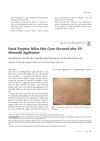 3 citations
,
January 2018 in “Annals of Dermatology”
3 citations
,
January 2018 in “Annals of Dermatology” A woman developed facial hair cysts after using a 3% minoxidil solution for hair loss, which disappeared after stopping the treatment and removing the cysts surgically.
2 citations
,
September 2010 in “Acta Ophthalmologica” Meibomian glands are like hair follicles without a hair shaft.