 February 2024 in “Research Square (Research Square)”
 Proteins from Tianshan red deer abomasum have strong anti-inflammatory, anti-tumor, and antioxidant effects.
 January 2024 in “International Journal of Health Science”
 Hormonal implants have many side effects that often outweigh their benefits.
 January 2024 in “bioRxiv (Cold Spring Harbor Laboratory)”
 The gene Ascl4 is not necessary for the development of hair, teeth, or mammary glands.
 January 2024 in “Regenerative Biomaterials”
 Dissolvable microneedles with Ginsenoside Rg3 can help treat hair loss by improving drug delivery and stimulating hair growth.
 January 2024 in “LA Referencia (Red Federada de Repositorios Institucionales de Publicaciones Científicas)”
 Carbon Quantum Dots can effectively detect cobalt ions and methylcobalamin in water.
 October 2023 in “bioRxiv (Cold Spring Harbor Laboratory)”
 Hair follicles can be kept in RNAlater® at cool or room temperature for a week without harming RNA quality.

The research shows how certain drugs can form stable structures with polymers, which is important for making new pharmaceuticals.

The research found how certain drugs and polymers form stable complexes, which could help develop new pharmaceutical forms.

The research shows how certain drug molecules form stable structures with polymers, which could help create new drug forms.

Bee pollen, green tea, essential oils, and various plant extracts improve skin and hair health.
 September 2023 in “Asian journal of beauty & cosmetology”
 Lipids are important for healthy hair, but their exact role is not fully understood and needs more research.
 July 2023 in “Journal of Natural Remedies”
 Shell ginger contains kavalactones that promote hair growth and have anti-cancer, anti-inflammatory, and anti-obesity effects.

A woman in Sri Lanka was diagnosed with lupus after presenting with protein loss from the gut and other symptoms.

Researchers found a genetic link for hereditary hair loss but need more analysis to identify the exact gene.

Men's skincare products with essential oils can improve skin health and may increase male interest in cosmetics.

Platelet-rich plasma is a promising and cost-effective treatment for hair and skin issues in older adults in India.

The workshop promoted better medicine use and health practices through global collaboration.

The workshop successfully promoted better medicine use and international collaboration.
 November 2020 in “Journal of Pharmaceutical Sciences”
 The decision tree can predict drug absorption issues with good accuracy but needs more validation and adjustments for other factors.
 August 2019 in “Journal of archaeological science: Reports/Journal of archaeological science: reports”
 Ancient hair can preserve hormones, revealing health and fertility insights.

Proretinal nanoparticles are a safe and effective way to deliver retinal to the skin.
 January 2018 in “Communications in computer and information science”
 Researchers developed a computer system to automatically diagnose hair loss by analyzing scalp images.
 January 2016 in “Elsevier eBooks”
 The conclusion is that grasping how cells determine their roles through evolution is key, with expected progress from new research models and genome editing.
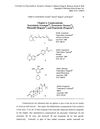
Isotretinoin and tazarotene help treat acne, while minoxidil and finasteride promote hair growth.
 June 1999 in “Proceedings of SPIE”
 The CO₂ laser is better for hair transplantation because it causes less damage than the Ho:YAG laser.
 July 1994 in “Annals of Pharmacotherapy”
 Cromolyn sodium's effectiveness for treating asthma in children under 2 is unclear, possibly more beneficial for older children, and further research is needed.
 January 1977 in “Case Reports in Medicine”
 Steroid cell tumors in the ovary are rare, can produce testosterone causing symptoms, and are mainly treated with surgery.
 November 2020 in “Psychoneuroendocrinology”
 Finasteride might affect memory by impacting cholinergic system.
 October 2015 in “Elsevier eBooks”
 Finasteride helps hair growth and prostate issues but may cause sexual side effects and increase tumor risk.
2 citations
,
May 2025 in “Advanced Science” Microspheric skin organoids can be used for drug testing, identifying Minoxidil as a Wnt pathway activator.