 October 2025 in “Journal of Translational Medicine”
 Combining biomaterials and cell pathways can improve hair follicle regeneration.
 September 2025 in “Advanced Pharmaceutical Bulletin”
 Genosomes are promising for safe and effective gene delivery in therapy.
 July 2025 in “Cermin Dunia Kedokteran”
 Nasopharyngeal carcinoma is a common cancer in Indonesia, with risk factors including genetics, diet, and Epstein-Barr virus, and is treated with advanced radiotherapy.
 January 2025 in “Cellular and Molecular Biology”
 The PIP5K1A gene helps cashmere growth in goats by promoting cell proliferation, and melatonin boosts its expression.
 December 2024 in “Deleted Journal”
 New therapies show promise for wound healing, but more research is needed for safe, affordable options.
Certain plasma proteins are linked to prostate cancer risk and could help in early detection and treatment.
Mesenchymal stem cell-derived exosomes significantly increase hair density and thickness in androgenic alopecia patients.
 August 2024 in “Frontiers in Pharmacology”
 Antibody treatments show promise for hair loss but need more research.
 July 2024 in “Egyptian Journal of Medical Human Genetics”
 These gene variations are not linked to alopecia areata in Egyptians.
Baricitinib shows promise for treating alopecia areata with mild side effects.
Hair analysis can help identify specific minerals and amino acids linked to various diseases.
 April 2024 in “Frontiers in physiology”
 Immune cells are crucial for hair growth and preventing hair loss.
Toxoplasma gondii infection may increase testosterone levels in males.
 February 2024 in “Journal of Education, Health and Sport”
 Exosomes can help repair and heal tissues, improving health and vitality.
 January 2024 in “Biological & clinical sciences research journal”
 Apigenin, found in plants and vegetables, has many health benefits, including anti-inflammatory, antioxidant, and anticancer effects.
 November 2023 in “Linköping University medical dissertations”
 Keratinocytes and adipose-derived stem cells can effectively heal difficult skin wounds.
 October 2023 in “Frontiers in endocrinology”
 Effective PCOS treatments require targeting specific signaling pathways.
 September 2023 in “Frontiers in medicine”
 The mTOR signaling pathway is crucial for hair health and targeting it may lead to new hair loss treatments.
 July 2023 in “Frontiers in veterinary science”
 Certain long non-coding RNAs are important for controlling hair growth cycles in sheep.
 April 2023 in “Digital Library of Theses and Dissertations (Universidade de São Paulo)”
 Mesenchymal stem cells from laser-assisted liposuction are as effective and safe as those from conventional liposuction for cell therapy.

Mesenchymal stem cells from laser-assisted liposuction are as effective and safe as those from conventional methods for cell therapy.

Fetal environments contain various chemicals that may disrupt hormones.
 November 2016 in “Endocrinology&Metabolism International Journal”
 PCOS has no cure, but treatments can manage symptoms and improve health.
Low-level laser therapy may help stem cells grow and function better, aiding in healing and tissue repair.
 February 2010 in “ePrints Soton (University of Southampton)”
 Male sexual differentiation is regulated independently, while female differentiation occurs in an androgenic environment, affecting conditions like congenital adrenal hyperplasia.
 September 2013 in “Science”
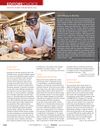
 Undergraduate research experiences boost students' research skills, confidence, and career aspirations.
 September 2013 in “Science”
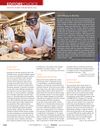
 Certain astrocytes can protect the brain and improve recovery after a stroke, and a hair loss drug might reduce cancer spread.
 September 2013 in “Science”
 Human stem cells can aid stroke recovery, research experiences boost students' career aspirations, minoxidil may reduce cancer spread, a molecule can slow tumor growth, a protein affects water flow in cells, magnesium behaves differently at tiny scales, and a new method detects slow-moving objects.
 September 2013 in “Science”
 Special astroglia cells improved stroke recovery in rats, a hair growth drug reduced cancer spread, and tiny magnesium structures were more easily shaped.
 September 2013 in “Science”
 Special astrocytes improved learning and memory in rats after a stroke.