 35 citations
,
November 1996 in “Journal of the American Academy of Dermatology”
35 citations
,
November 1996 in “Journal of the American Academy of Dermatology” Itraconazole was effective in treating unusual M. canis infections in only one of two HIV-infected men.
30 citations
,
April 2009 in “Mycoses” Microsporum gypseum fungus breaks down keratin in hair by digesting it enzymatically, starting with less keratinized parts.
18 citations
,
November 1989 in “Clinical and experimental dermatology” Griseofulvin is the best treatment for severe scalp infection caused by Microsporum canis.
17 citations
,
February 1987 in “Journal of the American Academy of Dermatology” The hair cuticle acts as a barrier against fungal infection, which occurs only deep within the hair follicle.
 8 citations
,
June 2018 in “ACTA SCIENTIAE VETERINARIAE”
8 citations
,
June 2018 in “ACTA SCIENTIAE VETERINARIAE” A maned wolf was successfully treated for a fungal infection, highlighting the need to understand such diseases for conservation.
7 citations
,
January 1997 in “International Biodeterioration & Biodegradation” Microsporum canis breaks down animal hair fastest in sheep and foxes, slowest in humans.
4 citations
,
December 2024 in “Photodiagnosis and Photodynamic Therapy” Wood's lamp is effective for early detection of tinea capitis in children.
 3 citations
,
December 2015 in “Acta Veterinaria Brasilica”
3 citations
,
December 2015 in “Acta Veterinaria Brasilica” A chinchilla got ringworm from stress and contact with dog-related items.
2 citations
,
April 2022 in “Medicine” A Chinese boy's scalp infection from a guinea pig was cured with medication.
2 citations
,
January 2017 in “Ciência Rural” A capuchin monkey with a skin infection was successfully treated with itraconazole.
2 citations
,
October 2001 in “Mycoses” A cat had a rare fungal infection caused by Microsporum gypseum.
1 citations
,
October 2020 in “Cermin Dunia Kedokteran” A boy's scalp rash and baldness were cured using oral medication and medicated shampoo.
1 citations
,
March 2017 in “Semina Ciências Agrárias” Hunting wild boar can cause fungal infections in dogs.
A red fox with skin lesions was cured of a fungal infection after treatment.
 April 2026 in “Ankara Üniversitesi Veteriner Fakültesi Dergisi”
 Mueller-Hinton Agar is better for testing antifungal susceptibility in Microsporum canis and Nannizzia gypsea.
 July 2025 in “Veterinarski arhiv”
 About 32.5% of stray cats in Bogor have a skin infection called Microsporum canis.
 June 2025 in “ARSHI Veterinary Letters”
 The cat's skin condition improved and hair regrew after antifungal treatment.
 May 2025 in “Scholars Journal of Medical Case Reports”
 A 10-year-old boy's scalp infection was cured with oral medication in two months.
 June 2024 in “Infection and Drug Resistance”
 An adult woman with scalp infection recovered after antifungal treatment, with no return of symptoms.

A rapid screening method using trichoscopy and clinical data can improve diagnosis and treatment of tinea capitis.
 January 2022 in “International Journal of Research Publications”
 Griseofulvin effectively treats tinea capitis caused by Microsporum canis.
September 2019 in “Ukrainian Journal of Dermatology Venerology Cosmetology” The combination treatment effectively and safely cured scalp microsporia in children faster and prevented recurrence.
2 citations
,
October 1931 in “Archives of Dermatology and Syphilology” A rare scalp infection in a child developed into a kerion with additional skin symptoms.
10 citations
,
May 1991 in “Journal of the American Academy of Dermatology”  143 citations
,
October 2008 in “Journal of The American Academy of Dermatology”
143 citations
,
October 2008 in “Journal of The American Academy of Dermatology” Comma hairs are a specific sign of tinea capitis when viewed with videodermatoscopy.
125 citations
,
May 2010 in “Pediatric dermatology” Systemic treatment is necessary for tinea capitis in children, with griseofulvin preferred for Microsporum infections.
 108 citations
,
March 2011 in “Archives of Dermatology”
108 citations
,
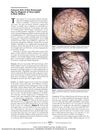
March 2011 in “Archives of Dermatology” Corkscrew hair may be a new sign for quickly diagnosing scalp fungus in black children.
 72 citations
,
June 2013 in “Journal of feline medicine and surgery”
72 citations
,
June 2013 in “Journal of feline medicine and surgery” The document says to treat cat fungal infections with medicine and clean the environment, noting that cats without symptoms can still spread it to humans.
71 citations
,
December 2010 in “Preventive Veterinary Medicine” Young dogs and cats in Western Turkey often have skin infections caused by fungi, especially Microsporum canis.
 69 citations
,
January 2020 in “Veterinary World”
69 citations
,
January 2020 in “Veterinary World” Ringworm in pets is influenced by fungi type, immune status, and stress hormones.