 56 citations
,
August 1981 in “Journal of The American Academy of Dermatology”
56 citations
,
August 1981 in “Journal of The American Academy of Dermatology” Minoxidil helps hair regrowth in alopecia areata safely.
 55 citations
,
June 2009 in “Journal of Pharmaceutical Sciences”
55 citations
,
June 2009 in “Journal of Pharmaceutical Sciences” Minoxidil promotes hair growth by penetrating skin, with ethanol-containing formulas working best.
 55 citations
,
February 1985 in “Archives of Dermatology”
55 citations
,
February 1985 in “Archives of Dermatology” Minoxidil applied twice daily can help regrow hair in some people with hereditary baldness, with no serious side effects.
 55 citations
,
October 1975 in “Circulation”
55 citations
,
October 1975 in “Circulation” Minoxidil, propranolol, and furosemide effectively control severe hypertension, but may cause sodium retention.
 55 citations
,
March 1973 in “PubMed”
55 citations
,
March 1973 in “PubMed” Minoxidil is a new drug that lowers blood pressure.
 54 citations
,
June 1985 in “American Journal of Dermatopathology”
54 citations
,
June 1985 in “American Journal of Dermatopathology” Minoxidil helps grow longer, thicker hair in bald scalps of stumptailed macaques, and early treatment is more effective.
 54 citations
,
May 1977 in “The Journal of Pediatrics”
54 citations
,
May 1977 in “The Journal of Pediatrics” Minoxidil helps lower high blood pressure in kids, but can cause fluid retention and hair growth.
 53 citations
,
August 2019 in “Journal of The American Academy of Dermatology”
53 citations
,
August 2019 in “Journal of The American Academy of Dermatology” Oral minoxidil and topical minoxidil 5% both effectively improve female-pattern hair loss with safe side effects.
 53 citations
,
January 1993 in “Biochemical Pharmacology”
53 citations
,
January 1993 in “Biochemical Pharmacology” Minoxidil needs activation to work, and minoxidil sulfate helps with hair growth and blood pressure.
 53 citations
,
May 1990 in “Journal of Dermatology”
53 citations
,
May 1990 in “Journal of Dermatology” Minoxidil speeds up hair growth in rats without prolonging growth phase.
 53 citations
,
March 1987 in “Journal of The American Academy of Dermatology”
53 citations
,
March 1987 in “Journal of The American Academy of Dermatology” Minoxidil effectively regrows hair in male pattern baldness.
 52 citations
,
February 1985 in “Archives of Dermatology”
52 citations
,
February 1985 in “Archives of Dermatology” Minoxidil absorbs poorly through skin, with low risk of side effects at 1-2% concentration.
 52 citations
,
March 1979 in “Toxicology and Applied Pharmacology”
52 citations
,
March 1979 in “Toxicology and Applied Pharmacology” Minoxidil can cause heart muscle damage in dogs.
 51 citations
,
May 2010 in “Journal of Drug Targeting”
51 citations
,
May 2010 in “Journal of Drug Targeting” Transcutol-containing vesicles improve minoxidil's skin penetration and hair growth promotion.
 51 citations
,
March 1987 in “Journal of The American Academy of Dermatology”
51 citations
,
March 1987 in “Journal of The American Academy of Dermatology” Minoxidil keeps most hair growth from first year and twice-daily use is better with few side effects.
 51 citations
,
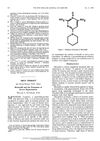
October 1980 in “The New England Journal of Medicine”
51 citations
,
October 1980 in “The New England Journal of Medicine” Minoxidil lowers blood pressure effectively but may cause unwanted hair growth and other side effects.
 50 citations
,
September 1975 in “American Heart Journal”
50 citations
,
September 1975 in “American Heart Journal” Minoxidil effectively controls blood pressure in severe cases, but may cause fluid retention and edema.
 49 citations
,
October 1994 in “Annals of Oncology”
49 citations
,
October 1994 in “Annals of Oncology” Minoxidil not effective in preventing chemotherapy-induced hair loss.
 49 citations
,
January 1980 in “Journal of Cardiovascular Pharmacology”
49 citations
,
January 1980 in “Journal of Cardiovascular Pharmacology” Minoxidil doesn't increase pericardial disorder risk, but may cause fluid accumulation.
 48 citations
,
June 1988 in “PubMed”
48 citations
,
June 1988 in “PubMed” Minoxidil sulfate relaxes muscle by increasing potassium flow, making it a unique muscle relaxer.
 47 citations
,
October 1989 in “Circulation Research”
47 citations
,
October 1989 in “Circulation Research” The study explains how minoxidil sulfate causes vasodilation in rabbits by opening potassium channels and inhibiting calcium channels.
 47 citations
,
November 1982 in “Journal of Cardiovascular Pharmacology”
47 citations
,
November 1982 in “Journal of Cardiovascular Pharmacology” Nitrendipine and nifedipine effectively block muscle contractions, while papaverine relaxes them and minoxidil needs high amounts to work.
46 citations
,
March 2009 in “Die Pharmazie” Minoxidil-loaded nanostructured lipid carriers are effective for topical use.
 46 citations
,
January 1991 in “Journal of Investigative Dermatology”
46 citations
,
January 1991 in “Journal of Investigative Dermatology” Minoxidil works in liver and outer hair root sheath for hair growth.
 46 citations
,
April 1977 in “Southern Medical Journal”
46 citations
,
April 1977 in “Southern Medical Journal” Minoxidil causes excessive hair growth, but depilatory agent removes it safely and effectively.
 45 citations
,
August 2011 in “Journal of Microencapsulation”
45 citations
,
August 2011 in “Journal of Microencapsulation” Chitosan microparticles improve minoxidil sulphate delivery, potentially reducing daily applications.
 45 citations
,
January 1981 in “Annals of Internal Medicine”
45 citations
,
January 1981 in “Annals of Internal Medicine” Minoxidil controls blood pressure effectively, but may cause side effects like hypertrichosis.
 45 citations
,
November 1979 in “British Journal of Dermatology”
45 citations
,
November 1979 in “British Journal of Dermatology” Minoxidil causes excessive hair growth in almost all patients.
44 citations
,
January 1997 in “British Journal of Dermatology” Stopping 5% topical minoxidil can reverse unwanted hair growth on the face and limbs.
 44 citations
,
October 1989 in “International Journal of Pharmaceutics”
44 citations
,
October 1989 in “International Journal of Pharmaceutics” Minoxidil's effectiveness decreases as vehicle evaporates; concentration and thermodynamic activity matter.