 105 citations
,
August 2010 in “Pharmacology & therapeutics”
105 citations
,
August 2010 in “Pharmacology & therapeutics” Formyl-peptide receptor agonists could be new anti-inflammatory drugs.
 April 2019 in “Journal of Investigative Dermatology”
 DPP4-positive fibroblasts play a major role in producing proteins that lead to skin fibrosis.
 April 2019 in “Journal of Investigative Dermatology”
 Removing REDD1 in mice increases skin fat by making fat cells larger and more numerous.
 April 2019 in “Journal of Investigative Dermatology”
 Fractional photothermolysis helps wounds heal with minimal scarring.
 April 2019 in “Journal of Investigative Dermatology”
 New vitamin D3 forms need the vitamin D receptor to reduce fibrosis in human cells.
 31 citations
,
October 2018 in “Frontiers in Cell and Developmental Biology”
31 citations
,
October 2018 in “Frontiers in Cell and Developmental Biology” The conclusion is that CD90 is not a specific marker for fibroblast subtypes and better methods are needed to identify them.
 29 citations
,
July 1982 in “British Journal of Dermatology”
29 citations
,
July 1982 in “British Journal of Dermatology” Lithium treatment can cause increased hair shedding and hair loss in patients.
 5 citations
,
June 2012 in “The journal of investigative dermatology/Journal of investigative dermatology”
5 citations
,
June 2012 in “The journal of investigative dermatology/Journal of investigative dermatology” Putting thymidine dinucleotide on newborn mice's skin can delay and reduce skin cancer.
 2 citations
,
January 2018 in “Annals of Dermatology”
2 citations
,
January 2018 in “Annals of Dermatology” Early hair loss may be linked to metabolic syndrome.
 163 citations
,
April 2019 in “Nature Communications”
163 citations
,
April 2019 in “Nature Communications” Mechanical stretching of the skin can promote hair growth by activating certain immune cells.
 132 citations
,
January 2017 in “International Journal of Molecular Sciences”
132 citations
,
January 2017 in “International Journal of Molecular Sciences” Fat-derived stem cells show promise for skin repair and reducing aging signs but need more research for consistent results.
 97 citations
,
May 2008 in “Journal of Cutaneous Pathology”
97 citations
,
May 2008 in “Journal of Cutaneous Pathology” Different soft tissue fillers can cause various skin reactions; biodegradable fillers are safer and non-biodegradable ones like silicone can lead to long-term problems.
 91 citations
,
August 2014 in “Development”
91 citations
,
August 2014 in “Development” The circadian clock is crucial for tissue renewal and regeneration, affecting stem cell functions and having implications for health and disease.
 81 citations
,
February 2019 in “Experimental & Molecular Medicine”
81 citations
,
February 2019 in “Experimental & Molecular Medicine” PAK4 is crucial in cancer progression, brain development, and could be a therapeutic target, especially through the PAK4-CREB axis.
 68 citations
,
December 2014 in “Cell Biochemistry and Function”
68 citations
,
December 2014 in “Cell Biochemistry and Function” Nuclear hormone receptors play a significant role in skin wound healing and could lead to better treatment methods.
 67 citations
,
February 1983 in “The Journal of Dermatologic Surgery and Oncology”
67 citations
,
February 1983 in “The Journal of Dermatologic Surgery and Oncology” Vigilon, a new wound dressing, promotes faster and better healing with less pain.
 66 citations
,
March 2019 in “Cellular and Molecular Life Sciences”
66 citations
,
March 2019 in “Cellular and Molecular Life Sciences” Melanocyte development from neural crest cells is complex and influenced by many factors, and better understanding could help treat skin disorders.
 61 citations
,
November 2004 in “Annals of the Academy of Medicine Singapore”
61 citations
,
November 2004 in “Annals of the Academy of Medicine Singapore” Hair follicle stem cells are mainly in the bulge region and can help repair skin and form hair and glands, but more research is needed to fully understand them.
 54 citations
,
October 2023 in “Oncogene”
54 citations
,
October 2023 in “Oncogene” p63 is essential for controlling epithelial stem cells and tissue health.
 53 citations
,
July 2011 in “Biomaterials”
53 citations
,
July 2011 in “Biomaterials” Human liver cells stick to hair protein materials mainly through the liver's asialoglycoprotein receptor.
 19 citations
,
June 2008 in “Journal of Investigative Dermatology”
19 citations
,
June 2008 in “Journal of Investigative Dermatology” HPV genes in mice improve ear tissue healing by speeding up skin growth and repair.
 16 citations
,
February 2007 in “Plastic and Reconstructive Surgery”
16 citations
,
February 2007 in “Plastic and Reconstructive Surgery” Keratinocytes show more TGF-β system activity and collagen production as they age, which might affect wound scarring.
 14 citations
,
March 2020 in “Cold Spring Harbor Perspectives in Biology”
14 citations
,
March 2020 in “Cold Spring Harbor Perspectives in Biology” Mouse spermatogenesis shows that stem cells can behave flexibly and move widely in open environments.
 10 citations
,
April 2013 in “Journal of Investigative Dermatology”
10 citations
,
April 2013 in “Journal of Investigative Dermatology” Scientists created a model using sheep cells to study hair root formation, which can test how different substances affect hair growth.
 7 citations
,
January 2023 in “Frontiers in cell and developmental biology”
7 citations
,
January 2023 in “Frontiers in cell and developmental biology” Celsr1 is crucial for skin cell alignment, while Celsr2 has little effect on this process.
 5 citations
,
September 2024 in “Stem Cell Research & Therapy”
5 citations
,
September 2024 in “Stem Cell Research & Therapy” Sertoli cell transplants can reduce inflammation and improve sperm quality.
 4 citations
,
March 2012 in “Annals of oncology”
4 citations
,
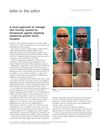
March 2012 in “Annals of oncology” New treatment with green tea polyphenols and nicotinamide improves skin problems from cancer therapy.
 2 citations
,
March 2022 in “Research Square (Research Square)”
2 citations
,
March 2022 in “Research Square (Research Square)” Seasonal changes affect gene activity linked to hair growth in Angora goats, influencing mohair quality.
 1 citations
,
June 2025 in “Journal of Materials Science Materials in Medicine”
1 citations
,
June 2025 in “Journal of Materials Science Materials in Medicine” AgVO₃-HAp/GO@PCL scaffolds improve wound healing and tissue regeneration effectively.
 1 citations
,
March 2024 in “Signal transduction and targeted therapy”
1 citations
,
March 2024 in “Signal transduction and targeted therapy” NF-κB signaling is crucial in many diseases and can be targeted for new treatments.