Search
forProducts matching "mineral supplementation"
Tracking 5 products like 204 Nutriv Biotin Zinc Plus, 717 Coffeellagen - Grass-fed Brazilian Collagen Supplement - Ground Coffee with Biotin, Vitamins & Minerals for Hair, Skin, Nails & Joints, 219 VitaHealth Crowning Glory, 218 Mega We Care Zincomin and 254 Advanced Hair Revitalizing Formula from by companies like ZeeMoreUncle, Amazon and MV supplements . View all 5 products »
Sort by
Research
720-750 / 1000+ resultsresearch Extra-Intestinal Manifestation of Celiac Disease in Children
Early diagnosis and a strict gluten-free diet are crucial for children with celiac disease to improve symptoms.
research Risks of Skin, Hair, and Nail Supplements
Some skin, hair, and nail supplements can be toxic, interact with medications, affect lab tests, and may increase cancer risk.
research Dietary Intake of Selenium in Relation to Pubertal Development in Mexican Children
Low selenium intake may delay puberty in boys but not in girls.
research What does the research say about androgen use and cerebrovascular events?
Androgen use may increase the risk of stroke, but more research is needed.
research Zinc and Zinc Transporters in Dermatology
Zinc is crucial for skin health and treating various skin disorders.
research The green healer: an updated review on the phytochemical profile and therapeutic potential of Aloe vera
Aloe vera is effective for healing, skin, and health due to its beneficial compounds.
research Androgenetic Alopecia From A to Z
research Quality of Calcium Food Supplements: Evaluation Compared to Manufacturers’ Declarations
Some calcium supplements have more calcium than their labels say, and a few have less.
research Non-Scarring Alopecia in Women Presenting with Hair Loss: Clinical Features and Influencing Factors
Telogen effluvium is the most common hair loss in women, often linked to low iron, while tight hairstyles and headscarves increase traction alopecia risk.
research A Cross-Sectional Study on the Prevalence of Premature Canities Among University Students in the Eastern Province, Kingdom of Saudi Arabia
Premature graying of hair is common among students and linked to genetics, smoking, keto diet, and hair coloring.
research Oral Centella asiatica Extract Attenuates UVB-Induced Skin Photoaging via Antioxidant, Anti-Inflammatory, and Extracellular Matrix-Preserving Effects in Hairless Mice
Centella asiatica extract taken orally can reduce skin aging from UVB exposure.
research Use of nutriceutic in telogen effluvium in women: results of a prospective clinical observation
"Alpenta" effectively reduces hair loss and improves hair growth in women with telogen effluvium.
research A Randomized, Double-Blind, Placebo-Controlled Clinical Trial to Assess the Efficacy of a Nutritional Supplement in Female Androgenic Alopecia
The nutritional supplement Pilopeptan® WOMAN improved hair growth and thickness in women with hair loss.

research Serum Vitamin B12 in chronic telogen effluvium patients: A case–control study
People with chronic hair loss often have lower Vitamin B12 levels.
research Vitamin D status in patients with frontal fibrosing alopecia: A retrospective study
Women with frontal fibrosing alopecia have similar vitamin D levels to those with other hair loss types, suggesting vitamin D is not a key factor in this condition.
research The Role of Micronutrients in Young Men Presenting with Hair Loss
Many young men with hair loss have low levels of vitamin D and B12.
research Extraction of Gallic Acid and Ferulic Acid for Application in Hair Supplements
Gallic acid and ferulic acid can be sustainably extracted for hair supplements with high efficiency and stability.
research An overview of the genetic aspects of hair loss and its connection with nutrition
Hair loss is influenced by genetics, diet, and lifestyle, but more research is needed on nutrition's role.
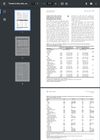
research Trends in hair, skin, and nails supplement use: Data from the National Health and Nutrition Examination Survey 2011-2020
Hair, skin, and nails supplement use nearly doubled from 2011 to 2020, with higher usage among young adults, females, and certain ethnic groups.
research The Association Between Autism Spectrum Disorders and Dietary Intake of Carbohydrates in School‐Aged Children in Iran: A Case–Control Study
Higher sugar and maltose intake is linked to autism, while total carbohydrates, fructose, and lactose are linked to lower autism rates.
research High doses of cobalt inhibited hair follicle development in Rex Rabbits
High doses of cobalt stopped hair growth in rabbits.
research Analysis of the hair coat of domestic catswith special focus on histological structure
Domestic cat hair varies in thickness and length, with guard hairs being longest and thickest, and all hair types mainly contain keratin.
research Comparative Study of a Topical and Oral Combination Therapy Containing Oleanolic Acid, Apigenin, and Biotinyl Tripeptide-1 in Patients with Androgenetic Alopecia: A Prospective, Open-Label Trial
The combination therapy improved hair growth and thickness in people with androgenetic alopecia.
research Pathophysiology, conventional treatments, and evidence-based herbal remedies of hair loss with a systematic review of controlled clinical trials
Herbal remedies may help with hair loss but need more research.
research Prevalence of Iatrogenic Vitamin D Toxicity Among the Saudi Population of Vitamin D Users Due to Overcorrection
Many people in Saudi Arabia use vitamin D supplements, but few experience toxicity, showing the need for professional guidance when taking these supplements.
research Safety and Efficacy of Nutrition-Based Interventions for Hair
research Hair Loss After Laparoscopic Sleeve Gastrectomy
Over half of patients had hair loss after weight-loss surgery, especially women, linked to low zinc and vitamin B12 levels.
research Cardiovascular risks and elevation of serum DHT vary by route of testosterone administration: a systematic review and meta-analysis
Oral testosterone therapy raises heart risk more than other methods.
research Metabolism of subtoxic levels of selenium in animals and humans.
The safe daily selenium intake is up to 819 micrograms.