 November 2025 in “Nanoscale Advances”
 Inorganic nanoparticle-based scaffolds can improve wound healing by fighting bacteria and helping tissue grow.

Steatocystomas are harmless skin cysts that can vary in size and may sometimes cause itching or pain.
 September 2025 in “Medical Materials Research”
 Microneedles offer a painless, precise, and versatile method for drug delivery and disease treatment.

Blocking autophagy worsens lipid buildup and dysfunction in brain cells after injury.
 June 2025 in “Medical academic journal”
 Modified liposomes with exosomes effectively deliver RNA to stem cells.
 January 2025 in “RSC Pharmaceutics”
 Smart microneedles using advanced tech could improve psoriasis treatment.
 December 2024 in “Research Journal for Social Affairs”
 PCOS causes hormonal issues and infertility, with treatment options including medication and lifestyle changes.
 July 2024 in “ADMET & DMPK”
 Surface-modified nanostructured lipid carriers can improve hair growth treatments.

The trial aims to understand how obesity and lifestyle affect circadian rhythms in people with schizophrenia and bipolar disorder.
 June 2024 in “International Journal of Advanced Research in Science Communication and Technology”
 Herbal extracts like Ficus religiosa may help with hair growth and skin rejuvenation.

Pomegranate is beneficial in various medical fields.
 October 2023 in “bioRxiv (Cold Spring Harbor Laboratory)”
 Immune cells are essential for early hair and skin development and healing.
 August 2023 in “International journal of research in Ayurveda and pharmacy”
 Garudan Kizhangu Ennai may effectively treat alopecia areata but needs more research to confirm its safety and effectiveness.
 November 2022 in “CARDIOMETRY”
 A group has developed therapies that show promise for treating cancer and various other conditions.
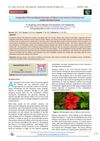 October 2022 in “International journal of pharmaceutical sciences review and research”
 Hibiscus leaf extract is better for diabetes, and Eclipta alba bark extract is better for antioxidants.
 July 2022 in “Research Square (Research Square)”
 Lower PPARγ levels and specific gene variations are linked to more severe Frontal Fibrosing Alopecia.

Human hair keratins can be turned into useful 3D biomedical scaffolds through a freeze-thaw process.
 June 2020 in “Journal of cosmetic medicine”
 Eyebrow transplants use hair from the scalp or pubic area, with blonde hair looking more natural, and can leave scars depending on the method used.
 February 2019 in “bioRxiv (Cold Spring Harbor Laboratory)”
 The gene Prss53 affects hair shape and bone development in rabbits.
 May 2018 in “White Rose eTheses Online (University of Leeds, The University of Sheffield, University of York)”
 Alopecia areata may be treated by using EGCG to balance immune cells and reduce inflammation.
 January 2018 in “International journal of food and nutrition research”
 Intermittent iron and nutritional supplements can help reduce hair loss.
 January 2018 in “Springer eBooks”
 Hidradenitis Suppurativa is likely an autoinflammatory disease, and better understanding its causes could improve treatments.
 April 2017 in “Journal of Investigative Dermatology”
 The BMP/Smads pathway and Id2 gene control hair follicle stem cells, affecting their rest and growth phases.
 April 2017 in “Journal of Investigative Dermatology”
 Cow milk sugars increase fat production and inflammation in skin oil cells.
 April 2017 in “Journal of Investigative Dermatology”
 Scientists created a tiny, 3D model of a hair follicle that grows and acts like a real one.
 April 2017 in “Journal of Investigative Dermatology”
 A boy with Oculodentodigital syndrome had a unique GJA1 gene mutation causing his symptoms.
 January 2017 in “Clinical approaches and procedures in cosmetic dermatology”
 Cosmetic procedures can harm hair, but damage can be minimized with knowledge and care; however, once hair is damaged, it cannot be reliably repaired.
 January 2017 in “Clinical & medical biochemistry”
 Certain gene variations in AKT2 are more common in women with PCOS and are linked to higher levels of specific hormones and symptoms.

Modern hair restoration techniques can effectively treat hair loss and provide natural-looking results.
Forensic hair analysis for drugs is now more reliable and accurate.