July 2026 in “Editora Pasteur eBooks” New diagnostic tools and treatments are improving management of female pattern hair loss.
June 2026 in “Russian Journal of Skin and Venereal Diseases” Salmon-derived exosomes effectively improve hair growth in androgenetic alopecia.
 March 2026 in “Zenodo (CERN European Organization for Nuclear Research)”
 Restoring hair follicle communication may treat hair loss and improve sexual dysfunction.
 March 2026 in “Zenodo (CERN European Organization for Nuclear Research)”
 Restoring communication in hair follicle networks may treat hair loss and improve sexual dysfunction.
 July 2025 in “Chinese Journal of Dermatology”
 Hair loss and metabolic syndrome are linked, sharing causes and treatment options.
July 2024 in “LA CIENCIA AL SERVICIO DE LA SALUD Y NUTRICIÓN” The condition is harmless, doesn't worsen, and needs no invasive treatment.
 May 2024 in “Indian Journal of Dermatology”
 Androgenetic alopecia in men is genetic and linked to health issues like obesity and heart disease, with treatments including minoxidil, finasteride, and hair transplants.
 February 2024 in “Benha Journal of Applied Sciences”
 Androgenetic alopecia is common hair loss caused by genetics and hormones.
 November 2023 in “Frontiers in cell and developmental biology”
 Hair aging is caused by stress, hormones, inflammation, and DNA damage affecting hair growth and color.
 June 2023 in “Brazilian Journal of Health Review”
 Common baldness is a hereditary condition that can be treated with medications or surgery to prevent progression and improve self-esteem.
 May 2023 in “Photobiomodulation, photomedicine, and laser surgery”
 The 675 nm laser treatment significantly increased hair density and reduced symptoms of androgenetic alopecia in both men and women, with no side effects.
May 2023 in “Journal of Cosmetic and Laser Therapy” Using multiple treatments together works better for female hair loss than using one treatment alone.
 January 2023 in “Springer eBooks”
 Most older adults experience pattern hair loss due to shrinking hair follicles, with men and women showing different balding patterns.
 April 2021 in “Journal of Investigative Dermatology”
 The research found genes that may protect certain scalp cells from hair loss.
 March 2021 in “CRC Press eBooks”
 Trichoscopy helps detect early complications in hair transplants and ensures quality in the procedure.
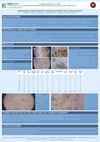
More research is needed to understand chemotherapy-induced hair loss and its phases.
 June 2017 in “Reactions Weekly”
 Some breast cancer treatments caused long-term hair loss in women, similar to a condition called alopecia areata.
 April 2016 in “Journal of The American Academy of Dermatology”
 A botanical lotion can increase scalp collagen and extend hair growth phase, potentially improving hair thinning issues.
 November 2014 in “British Journal of Dermatology”
 Male hair loss is mainly due to thinner hair, not less hair.
 January 2012 in “Journal of the Dermatology Nurses’ Association”
 The document explains hair growth, hair loss types, and other hair-related terms.
January 2009 in “Revista de Ciências Médicas” Male pattern baldness is a genetic condition causing hair loss, with limited but improving treatment options.
 February 2008 in “Vlaams dierengeneeskundig tijdschrift”
 A cat's hair loss was linked to a severe pancreatic cancer.
January 2006 in “The journal of clinical and aesthetic dermatology” Women using 5% minoxidil for hair loss were mostly satisfied and had improved quality of life, despite some impact on social life and hairstyle choices.
 January 2003 in “Springer eBooks”
 Androgenic alopecia is a type of hair loss that's partly inherited and can be due to hormonal imbalance.
 September 1997 in “BioMed Research International”
 Female pattern hair loss often starts in teenage years, reduces hair density, and can impact quality of life.
January 2023 in “Dermatology” Ageing and increased senescent cells significantly contribute to common hair loss.
August 2021 in “Journal of The American Academy of Dermatology” Newer contraceptives with less androgenic progestins may reduce female hair loss.
 March 2019 in “Chinese Journal of Dermatology”
 Hair loss, known as androgenetic alopecia, is mainly caused by genetics, but also by hormone imbalances, shrinking hair follicles, inflammation, and environmental factors.
The arrector pili muscle plays a key role in hair loss in androgenetic alopecia.
AGA is caused by genetics and androgens, treatable with finasteride and minoxidil.