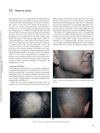
 April 2012 in “Informa Healthcare eBooks”
 Alopecia areata is a common autoimmune condition causing varying hair loss, diagnosed by specific patterns of inflammation around hair follicles, with several treatment options available.
 January 2012 in “Elsevier eBooks”
 Hair loss can cause emotional and social issues, and various treatments, including medication, surgery, and psychological support, are needed.
 January 2010 in “Elsevier eBooks”
 The document concludes that different types of hair loss have specific treatments, and early diagnosis is crucial for preventing permanent hair loss.
 April 2008 in “Medical & surgical dermatology”
 Certain hairstyles can cause scalp diseases, smoking is linked to hair loss, 5% minoxidil foam is effective for hair loss treatment, and various factors influence wound healing and hair growth.
 June 2002 in “Seminars in Cutaneous Medicine and Surgery”
 Hair transplantation has improved to more natural-looking results and is complemented by effective non-surgical treatments, with ongoing research into hair follicle cloning.
 April 1998 in “Journal of women's health”
 Hair loss in women is often due to hereditary conditions or stress, and while treatments like minoxidil can help, diagnosis and management require medical guidance.
 January 1991 in “Journal of Pediatric Health Care”
 Hair loss in children can be caused by fungal infections, trauma, autoimmune disorders, or stress, and treatments vary depending on the cause.
 July 1988 in “Journal of The American Academy of Dermatology”
 Various dermatologic treatments were effective for skin conditions like acne, rosacea, hair loss, and psoriasis from December 1986 to December 1987.
 August 1986 in “Journal of The American Academy of Dermatology”
 Minoxidil showed a 30% success rate for hair growth in a study, and various skin treatments were effective, but some had limitations or side effects.
July 2026 in “Journal of the American Academy of Dermatology” CRT is more effective than oral minoxidil alone for treating hair loss.
 October 2025 in “American Journal of Clinical Dermatology”
 Low-dose oral minoxidil can effectively promote hair growth but requires careful monitoring for safety.
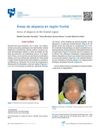 January 2025 in “Revista del Centro Dermatológico Pascua”
 Early diagnosis and treatment can help manage fibrosing alopecia in older women.
 April 2021 in “Advances in Cosmetic Surgery”
 Hair restoration can be achieved through non-surgical treatments like minoxidil, antiandrogens, phototherapy, and PRP procedures, or through surgical methods like hair transplantation. Continued treatment is needed to maintain results, and full results are visible after 12-18 months.
 July 2018 in “Elsevier eBooks”
 Telogen Effluvium is a common, usually reversible hair loss condition, often improved by removing the trigger and possibly treated with various products, though their effectiveness is uncertain.
 March 2003 in “Dermatologic Surgery”
 Dr. Dominic A. Brandy shared methods to fix aesthetic problems from old hair restoration techniques, using methods like follicular unit grafting and scalp removal, which helped patients look more natural after surgery. He also suggested using oral finasteride and topical minoxidil to control hair loss in most men with baldness, especially those who had flap surgery.
 January 2022 in “Clinical, Cosmetic and Investigational Dermatology”
 A mix of methotrexate, corticosteroids, and topical minoxidil effectively treated severe total body hair loss, but caused stretch marks and needs long-term monitoring.
 September 2015 in “SelfCare Journal”
 Two treatments for male pattern hair loss are minoxidil and finasteride, but they have side effects and may not satisfy everyone.
 60 citations
,
April 2018 in “Clinical, cosmetic and investigational dermatology”
60 citations
,
April 2018 in “Clinical, cosmetic and investigational dermatology” Tight hairstyles and chemical relaxers can cause hair loss known as traction alopecia.
 2 citations
,
January 2020 in “Skin appendage disorders”
2 citations
,
January 2020 in “Skin appendage disorders” Long hair can cause hair loss due to constant pulling.
 June 2026 in “JAAD reviews.”
 Low-dose oral minoxidil may help with various hair loss types, but more research is needed.
September 2025 in “Journal of the American Academy of Dermatology”  March 2025 in “Journal of Clinical Medicine”
 Low-dose oral minoxidil effectively treats alopecia but can cause side effects like excess hair growth and fluid retention.
4 citations
,
July 2023 in “Frontiers in Microbiology” HGF combined with ADA is highly accurate for diagnosing tuberculous pleural effusion, especially in younger females.
46 citations
,
July 2007 in “Journal of the American Academy of Dermatology” Alopecia areata causes significant emotional distress, including high rates of depression and anxiety.
 June 2021 in “CRC Press eBooks”
 Plant-based hair care products can effectively treat hair loss with fewer side effects than synthetic treatments, and more research is needed for their development.
21 citations
,
August 2000 in “Dermatologic Surgery” The technique reduces hair loss and increases hair density in early baldness.
1 citations
,
April 2022 in “Journal of Cosmetic Dermatology” Androgenetic alopecia causes significant psychological distress, especially in women, and requires both medical and psychological support.
11 citations
,
January 2015 in “PubMed” A specific laser treatment can promote hair growth in mice by increasing certain protein levels.
 4 citations
,
March 2023 in “Current Oncology”
4 citations
,
March 2023 in “Current Oncology” Scalp cooling is the only FDA-approved method to prevent hair loss from chemotherapy, but other treatments like minoxidil and PRP are being tested.
1 citations
,
February 2022 in “Journal of Ayurveda and integrative medicine” Blumea eriantha DC extract shows strong potential for promoting hair growth.