 78 citations
,
April 1984 in “Archives of Dermatology”
78 citations
,
April 1984 in “Archives of Dermatology” Minoxidil can help regrow hair in alopecia areata patients.
 56 citations
,
August 1981 in “Journal of The American Academy of Dermatology”
56 citations
,
August 1981 in “Journal of The American Academy of Dermatology” Minoxidil helps hair regrowth in alopecia areata safely.
 43 citations
,
May 1978 in “JAMA”
43 citations
,
May 1978 in “JAMA” Minoxidil controls blood pressure but may cause kidney damage and needs diuretics to prevent swelling.
 34 citations
,
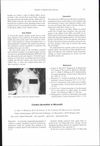
September 1985 in “Contact Dermatitis”
34 citations
,
September 1985 in “Contact Dermatitis” Minoxidil can cause skin irritation like eczema and rash in some users.
 34 citations
,
November 1987 in “Archives of Dermatology”
34 citations
,
November 1987 in “Archives of Dermatology” Oral minoxidil helps hair regrowth in 80% of alopecia patients, but only 18% see cosmetic improvement.
31 citations
,
January 1987 in “Dermatology” Minoxidil helps hair regrowth in severe alopecia areata by changing immune cell behavior.
 29 citations
,
August 1985 in “Contact Dermatitis”
29 citations
,
August 1985 in “Contact Dermatitis” Minoxidil can cause allergic reactions like burning, itching, and red bumps.
24 citations
,
November 1992 in “Archives of Dermatology” Prednisone can regrow hair in alopecia areata, and minoxidil helps maintain it.
 23 citations
,
November 1986 in “Pediatrics”
23 citations
,
November 1986 in “Pediatrics” Minoxidil, when used with a diuretic and β-blocking agent, can safely lower blood pressure in most children with severe hypertension due to kidney disease, with minimal side effects.
 20 citations
,
November 1987 in “Archives of Dermatology”
20 citations
,
November 1987 in “Archives of Dermatology” The document concludes that topical minoxidil therapy is safe and effective in promoting hair growth for male pattern baldness.
17 citations
,
March 1985 in “Acta Dermato Venereologica” 1% topical minoxidil helped some hair regrow, but only one person had noticeable results.
 16 citations
,
April 1984 in “Archives of Dermatology”
16 citations
,
April 1984 in “Archives of Dermatology” Topical minoxidil can help hair regrowth in alopecia areata patients, but maintaining the growth after stopping treatment is inconsistent.
11 citations
,
December 2011 in “PubMed” 5% minoxidil solution effectively treats hair loss in men and women.
11 citations
,
September 1988 in “Annals of Plastic Surgery” Topical minoxidil can help some men regrow hair, but results vary and may decline after a year.
 9 citations
,
December 1991 in “Annals of the New York Academy of Sciences”
9 citations
,
December 1991 in “Annals of the New York Academy of Sciences” Minoxidil helps hair growth by increasing blood flow and stimulating hair follicles.
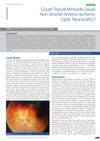 6 citations
,
January 2016 in “Journal of Clinical and Diagnostic Research”
6 citations
,
January 2016 in “Journal of Clinical and Diagnostic Research” Topical minoxidil might potentially cause vision problems, but more research is needed.
 2 citations
,
September 1987 in “International Journal of Dermatology”
2 citations
,
September 1987 in “International Journal of Dermatology” Minoxidil caused hair to grow in unintended areas, like a tail, in a young girl.
1 citations
,
October 2024 in “Journal of the American Society of Nephrology” Oral minoxidil may cause priapism, especially in people with certain health conditions.
 1 citations
,
July 2024 in “Journal of Cosmetic Dermatology”
1 citations
,
July 2024 in “Journal of Cosmetic Dermatology” Low SULT activity in hair follicles leads to better response to oral minoxidil for hair loss.
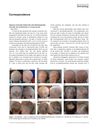 1 citations
,
November 2019 in “International Journal of Dermatology”
1 citations
,
November 2019 in “International Journal of Dermatology” A 6-year-old girl with alopecia universalis regrew most of her hair after treatment with simvastatin/ezetimibe, minoxidil, and prednisolone.
1 citations
,
June 1990 in “PubMed” 2% topical minoxidil is safe and reduces hair shedding in Chinese men with male pattern baldness.
1 citations
,
January 1976 in “Clinical Science” Minoxidil with a diuretic effectively lowers blood pressure in moderately hypertensive men with minimal side effects.
1 citations
,
June 2022 in “Journal of Clinical Oncology” Oral minoxidil may help hair regrowth in female cancer survivors.
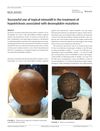 1 citations
,
August 2019 in “Pediatric dermatology”
1 citations
,
August 2019 in “Pediatric dermatology” Topical minoxidil helped an 8-year-old boy with a genetic hair disorder grow hair.
February 2026 in “Journal of the American Academy of Dermatology” The combination of spironolactone and low-dose minoxidil is generally safe for treating hair loss in adult females, with mostly mild side effects.
 January 2026 in “Dermatology Practical & Conceptual”
 Low-dose oral minoxidil is safe for hair loss, with no link between side effects and patient demographics.
November 2025 in “JAAD Case Reports” Oral dutasteride, minoxidil, and finasteride may help reduce hair loss in breast cancer survivors, but more research is needed.
 June 2025 in “International Journal of Research in Dermatology”
 The combination of tretinoin gel and minoxidil effectively improves hair growth and satisfaction in people with androgenetic alopecia.
 June 2025 in “Clinical Cosmetic and Investigational Dermatology”
 Combining corticosteroids and minoxidil can quickly regrow hair lost from radiation.
May 2025 in “International Journal of Trichology” Low-dose oral minoxidil often causes excess hair growth but doesn't significantly affect quality of life.