The combination of minoxidil, microneedling, and PRP is more effective for hair growth than minoxidil alone.
 April 2024 in “Expert opinion on investigational drugs”
 JAK inhibitors are safe and effective for treating moderate-to-severe alopecia areata.
 May 2023 in “International Journal of Trichology”
 PRP therapy for hair loss is safe but its effectiveness is doubtful.
 August 2018 in “Journal of The American Academy of Dermatology”
 Different treatments for skin conditions were found to be effective and generally safe, with biologics recommended as the first choice for generalized pustular psoriasis.
April 2018 in “African journal of rheumatology” A Nigerian teenager was diagnosed with neuropsychiatric lupus, showing various severe symptoms and abnormal lab results.
 2 citations
,
September 2021 in “Journal of Pharmacopuncture”
2 citations
,
September 2021 in “Journal of Pharmacopuncture” Korean medicine may help with hair growth in alopecia, but more research is needed to confirm this.
 45 citations
,
November 1979 in “British Journal of Dermatology”
45 citations
,
November 1979 in “British Journal of Dermatology” Minoxidil causes excessive hair growth in almost all patients.
 39 citations
,
February 2021 in “Journal of The American Academy of Dermatology”
39 citations
,
February 2021 in “Journal of The American Academy of Dermatology” Low-dose oral minoxidil safely treats hair loss, with hypertrichosis as main side effect.
 39 citations
,
November 1987 in “Clinica Chimica Acta”
39 citations
,
November 1987 in “Clinica Chimica Acta” Human platelets change minoxidil to minoxidil sulfate, helping blood vessels widen.
 22 citations
,
January 1979 in “JAMA”
22 citations
,
January 1979 in “JAMA” Minoxidil can lower blood pressure effectively and safely in emergencies.
 17 citations
,
April 2002 in “Contact Dermatitis”
17 citations
,
April 2002 in “Contact Dermatitis” Minoxidil 5% caused skin discoloration in a man using it for hair loss.
 16 citations
,
January 1986 in “Dermatology”
16 citations
,
January 1986 in “Dermatology” Using minoxidil lotion for hair regrowth in androgenetic alopecia has limited success and should be evaluated carefully.
 January 2026 in “Dermatology Practical & Conceptual”
 Low-dose oral minoxidil is safe for hair loss, with no link between side effects and patient demographics.
 54 citations
,
May 1977 in “The Journal of Pediatrics”
54 citations
,
May 1977 in “The Journal of Pediatrics” Minoxidil helps lower high blood pressure in kids, but can cause fluid retention and hair growth.
 28 citations
,
May 1994 in “The Journal of Urology”
28 citations
,
May 1994 in “The Journal of Urology” Topical minoxidil not effective for erectile dysfunction treatment.
 5 citations
,
March 2016 in “Acute medicine & surgery”
5 citations
,
March 2016 in “Acute medicine & surgery” Swallowing a lot of minoxidil, a hair growth liquid, can cause severe and long-lasting low blood pressure.
 1 citations
,
August 2018 in “Journal of The American Academy of Dermatology”
1 citations
,
August 2018 in “Journal of The American Academy of Dermatology” Combination of minoxidil and finasteride is more effective in increasing hair diameter than minoxidil alone for female-pattern hair loss.
 1 citations
,
July 2017 in “Pediatric emergency care”
1 citations
,
July 2017 in “Pediatric emergency care” Pediatric minoxidil exposures are usually not serious and can often be managed at home.
Using 5% minoxidil foam twice daily can help regrow hair, especially in younger men aged 20-30.
 219 citations
,
March 2004 in “Journal of The American Academy of Dermatology”
219 citations
,
March 2004 in “Journal of The American Academy of Dermatology” 5% and 2% minoxidil solutions effectively promote hair growth and reduce hair loss, with 5% being slightly more effective but having more side effects.
 117 citations
,
August 2019 in “Drug Design Development and Therapy”
117 citations
,
August 2019 in “Drug Design Development and Therapy” Minoxidil effectively treats hair loss, but use cautiously and monitor side effects.
 101 citations
,
November 1992 in “Archives of Dermatology”
101 citations
,
November 1992 in “Archives of Dermatology” Steroids help hair regrowth, and minoxidil slows post-steroid hair loss, but effects are temporary.
 51 citations
,
March 1987 in “Journal of The American Academy of Dermatology”
51 citations
,
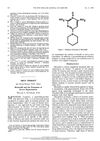
March 1987 in “Journal of The American Academy of Dermatology” Minoxidil keeps most hair growth from first year and twice-daily use is better with few side effects.
 51 citations
,
October 1980 in “The New England Journal of Medicine”
51 citations
,
October 1980 in “The New England Journal of Medicine” Minoxidil lowers blood pressure effectively but may cause unwanted hair growth and other side effects.
 50 citations
,
September 1975 in “American Heart Journal”
50 citations
,
September 1975 in “American Heart Journal” Minoxidil effectively controls blood pressure in severe cases, but may cause fluid retention and edema.
 34 citations
,
November 1987 in “Archives of Dermatology”
34 citations
,
November 1987 in “Archives of Dermatology” Oral minoxidil helps hair regrowth in 80% of alopecia patients, but only 18% see cosmetic improvement.
 22 citations
,
March 2020 in “Cosmetics”
22 citations
,
March 2020 in “Cosmetics” Nanotechnology improves minoxidil treatment for hair loss.
 22 citations
,
January 1985 in “Annals of Internal Medicine”
22 citations
,
January 1985 in “Annals of Internal Medicine” Minoxidil in breast milk may harm nursing infants.
 21 citations
,
March 2021
21 citations
,
March 2021 Oral minoxidil effectively treats hair loss, with women needing lower doses (0.25 to 2.5 mg daily) and men needing higher doses (1.25 to 5 mg daily).
 17 citations
,
November 2002 in “Australasian Journal of Dermatology”
17 citations
,
November 2002 in “Australasian Journal of Dermatology” Saw palmetto causes allergic reaction, minoxidil causes skin irritation; use cautiously for hair loss.