 137 citations
,
May 1984 in “Journal of Investigative Dermatology”
137 citations
,
May 1984 in “Journal of Investigative Dermatology” Minoxidil increases blood flow in balding scalps, possibly reversing hair loss.
 54 citations
,
June 1985 in “American Journal of Dermatopathology”
54 citations
,
June 1985 in “American Journal of Dermatopathology” Minoxidil helps grow longer, thicker hair in bald scalps of stumptailed macaques, and early treatment is more effective.
 August 2025 in “BMJ Open”
 Combining scalp acupoint catgut embedding with 5% minoxidil may help treat male pattern baldness.
 June 2024 in “Archives of dermatological research”
 Both treatments work, but Minoxidil 0.5% MMP® is better for certain scalp areas and less advanced hair loss.
June 2025 in “Journal of Cosmetic Dermatology” Excessive scalp massage after using minoxidil can cause hair damage, but reducing massage and using MSC exosomes can help.
 7 citations
,
January 2009 in “International Journal of Trichology”
7 citations
,
January 2009 in “International Journal of Trichology” Dermoscopy can't help doctors identify scalp irritation caused by topical minoxidil.
 25 citations
,
November 1987 in “British Journal of Dermatology”
25 citations
,
November 1987 in “British Journal of Dermatology” Minoxidil didn't increase scalp blood flow for hair growth, but hexyl nicotinate did.
 16 citations
,
March 2009 in “Skin Pharmacology and Physiology”
16 citations
,
March 2009 in “Skin Pharmacology and Physiology” SEPA™ enhances the effectiveness of minoxidil in stimulating hair growth, working faster and better than Rogaine® TS, with no significant side effects.
4 citations
,
February 2021 in “Journal of Pharmaceutical Sciences” The model can help predict how finasteride and minoxidil work when applied to the scalp.
1 citations
,
January 1991 in “Journal of Dermatological Treatment” Minoxidil doesn't change scalp oil production.
1 citations
,
May 1987 in “The Lancet” Topical minoxidil may help hair growth by improving blood flow to hair follicles.
 19 citations
,
December 1985 in “Journal of The American Academy of Dermatology”
19 citations
,
December 1985 in “Journal of The American Academy of Dermatology” Minoxidil can cause scalp comedones and acne.
 April 2025 in “American Journal of Case Reports”
 Improper use of minoxidil can cause excessive hair growth.

Scalp tonics are popular for stress-related hair loss, but minoxidil is used less due to side effects and inconvenience.
 September 2022 in “Journal of pharmaceutical sciences”
 Thicker minoxidil solutions work better and need less frequent application.
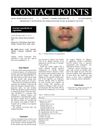 38 citations
,
June 2005 in “Contact Dermatitis”
38 citations
,
June 2005 in “Contact Dermatitis” Patient had scalp allergy from minoxidil; test helped identify cause and suggest alternative treatments.
 14 citations
,
January 2015 in “Skin appendage disorders”
14 citations
,
January 2015 in “Skin appendage disorders” Minoxidil treatment for hair loss can cause scalp allergy and severe hair loss.
 13 citations
,
June 2016 in “Dermatologic Therapy”
13 citations
,
June 2016 in “Dermatologic Therapy” Minoxidil works better when applied on a damp scalp than a dry one.
11 citations
,
January 1990 in “Cell and Tissue Research” Minoxidil does not specifically target any hair follicle cells.
 4 citations
,
May 2021 in “Lasers in Surgery and Medicine”
4 citations
,
May 2021 in “Lasers in Surgery and Medicine” Light therapy reduces scalp inflammation, boosts hair regrowth with Minoxidil 2%.
 April 2024 in “Journal of cosmetic dermatology”
 Minoxidil is less effective on eyebrows and eyelashes than scalp hair because these areas have lower enzyme activity needed to activate the drug.

Minoxidil nanoliposomes boost hair growth and reduce scalp bacteria better than regular minoxidil.
March 2021 in “Postepy Dermatologii I Alergologii” Minoxidil works equally well for hair growth regardless of scalp blood flow.
 25 citations
,
June 2018 in “Clinical and Experimental Dermatology”
25 citations
,
June 2018 in “Clinical and Experimental Dermatology” Combined microneedling and minoxidil improves hair growth more than minoxidil alone.
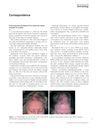 12 citations
,
November 2011 in “International Journal of Dermatology”
12 citations
,
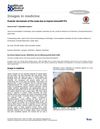
November 2011 in “International Journal of Dermatology” A woman developed a scalp condition from using minoxidil, which improved with a different treatment but left scarring.
 3 citations
,
January 2018
3 citations
,
January 2018 A woman had an unusual allergic reaction to a hair loss treatment, which cleared up after stopping the treatment and using a different medication.
 January 2022 in “Experimental Dermatology”
 Minoxidil solution and foam both increase hair growth, but the solution works better than the foam.
June 2022 in “Dermatologic Therapy” Oral minoxidil and growth factors improved hair density and thickness in a girl with hereditary hair loss.
 19 citations
,
September 2014 in “British Journal of Dermatology”
19 citations
,
September 2014 in “British Journal of Dermatology” Minoxidil foam 5% effectively treats hair loss in both frontal and vertex scalp regions.
1 citations
,
June 2023 in “Jordan Journal of Applied Science - Natural Science Series” Minoxidil is more effective than Latanoprost for treating patchy alopecia areata.