February 2023 in “Journal of The American Academy of Dermatology” Low-dose oral minoxidil helps increase hair density in traction alopecia.
November 2022 in “Research Square (Research Square)” Topical minoxidil 5% is better for treating female pattern hair loss than topical sildenafil 1%.
November 2022 in “Journal of Investigative Dermatology” Minoxidil and PRP can help convert miniaturized hair follicles back to normal in male pattern baldness.
October 2021 in “QJM: An International Journal of Medicine” Both sildenafil and minoxidil effectively treat male hair loss, but impact hair differently.
 February 2019 in “Case medical research”
 Using lasers to deliver minoxidil can potentially improve its effectiveness in treating male pattern hair loss.
 54 citations
,
March 1987 in “Journal of The American Academy of Dermatology”
54 citations
,
March 1987 in “Journal of The American Academy of Dermatology” 3% topical minoxidil effectively treats extensive alopecia areata with few side effects.
 29 citations
,
August 1985 in “Contact Dermatitis”
29 citations
,
August 1985 in “Contact Dermatitis” Minoxidil can cause allergic reactions like burning, itching, and red bumps.
 December 2024 in “http://isrctn.com/”
 MpowerTM may improve hair growth and satisfaction more than plain minoxidil, with mild side effects.
 152 citations
,
April 2012 in “Recent Patents on Inflammation & Allergy Drug Discovery”
152 citations
,
April 2012 in “Recent Patents on Inflammation & Allergy Drug Discovery” Minoxidil treats hair loss, promotes growth, has side effects, and has recent patents.
 36 citations
,
May 2015 in “Australasian Journal of Dermatology”
36 citations
,
May 2015 in “Australasian Journal of Dermatology” Low dose oral minoxidil helps regrow hair in permanent chemotherapy-induced alopecia.
 31 citations
,
October 2002 in “Dermatologic Surgery”
31 citations
,
October 2002 in “Dermatologic Surgery” Minoxidil helps stabilize hair loss, increase density, and reduce shedding after hair transplant surgery.
 20 citations
,
January 2009 in “International Journal of Dermatology”
20 citations
,
January 2009 in “International Journal of Dermatology” Hair loss in Clouston's syndrome improved with minoxidil and tretinoin treatment.
 18 citations
,
March 2014 in “Drug Development and Industrial Pharmacy”
18 citations
,
March 2014 in “Drug Development and Industrial Pharmacy” New gel formulas without ethanol and propylene glycol, containing a minoxidil-methyl-β-cyclodextrin complex, have been created for treating hair loss.
 17 citations
,
October 2013 in “F1000Research”
17 citations
,
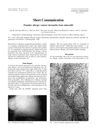
October 2013 in “F1000Research” A 2-year-old boy grew excessive hair after using minoxidil for hair loss, but it improved when the treatment stopped.
 17 citations
,
May 1998 in “Contact Dermatitis”
17 citations
,
May 1998 in “Contact Dermatitis” Minoxidil can cause pustular allergic reactions on skin.
 14 citations
,
July 1987 in “Contact Dermatitis”
14 citations
,
July 1987 in “Contact Dermatitis” Minoxidil can cause allergic skin reactions in some users.
2 citations
,
September 2024 in “Journal of Dermatological Treatment” Combining compound glycyrrhizin with minoxidil is more effective for alopecia areata than minoxidil alone.
 2 citations
,
March 2022 in “Applied sciences”
2 citations
,
March 2022 in “Applied sciences” Lespedeza bicolor extract promotes hair growth and increases hair follicle cell growth, potentially making it a better treatment than minoxidil.
 1 citations
,
March 2022 in “JAAD case reports”
1 citations
,
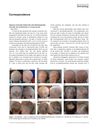
March 2022 in “JAAD case reports” Oral minoxidil helped significantly regrow hair in a patient with traction alopecia.
 1 citations
,
November 2019 in “International Journal of Dermatology”
1 citations
,
November 2019 in “International Journal of Dermatology” A 6-year-old girl with alopecia universalis regrew most of her hair after treatment with simvastatin/ezetimibe, minoxidil, and prednisolone.
 1 citations
,
April 2019 in “Journal of Investigative Dermatology”
1 citations
,
April 2019 in “Journal of Investigative Dermatology” Oral minoxidil can potentially increase hair growth in people suffering from Central Centrifugal Cicatricial Alopecia.
 1 citations
,
August 1995 in “Archives of Disease in Childhood”
1 citations
,
August 1995 in “Archives of Disease in Childhood” Minoxidil helped a boy regrow his hair after intense chemotherapy for leukaemia.
July 2026 in “Journal of the American Academy of Dermatology” CRT is more effective than oral minoxidil alone for treating hair loss.

Low-dose oral and topical minoxidil are recommended for managing hair loss in transplant patients, with specific doses and precautions.
 December 2025 in “Lasers in Medical Science”
 Combining red laser therapy with minoxidil improves hair growth more effectively than minoxidil alone in women with hair loss.
 September 2025 in “The Professional Medical Journal”
 Oral minoxidil is safe and effective for increasing hair thickness in men with hair loss.
 March 2025 in “Journal of the American Academy of Dermatology”
 Systemic minoxidil improves hair density in women with female pattern hair loss over time.
 February 2025 in “Archives of Dermatological Research”
 Combining PRP with topical minoxidil is most effective for hair growth in androgenetic alopecia.
January 2025 in “Global Journal of Medical Therapeutics” Minoxidil can cause allergic skin reactions, especially in those with underlying health issues.
 December 2024 in “Archives of Clinical & Experimental Dermatology”
 Combining stem cells with minoxidil improves hair growth more than minoxidil alone.