August 2025 in “South African Journal of Botany” Formulation B of the herbal hair oil promotes hair growth better than standard treatments and is safe for use.
 August 2025 in “Drug Design Development and Therapy”
 Current treatments for androgenetic alopecia are complex and promising, but more research is needed.

Perilla seed extract may help prevent hair loss better than some standard treatments.
 July 2025 in “Journal of Dermatological Treatment”
 PRP improves hair growth in androgenic alopecia, especially when combined with minoxidil.
 July 2025 in “Pharmaceutical Sciences & Analytical Research Journal”
 Herbal treatments for hair loss show promise but need more research to confirm their safety and effectiveness.
 May 2025 in “World Journal of Stem Cells”
 Exosomes from stem cells can help regrow hair like minoxidil.
 May 2025 in “Medical Science Monitor”
 Concentrated growth factor shows promise for treating hair loss but needs more research.
 May 2025 in “International Journal of Applied Pharmaceutics”
 Nanocarriers could improve hair loss treatments by delivering drugs directly to hair follicles.
 February 2025 in “Journal of Cosmetic Dermatology”
 Patch testing is crucial to reduce allergic reactions in hair loss treatments.
 January 2025 in “Journal of Materials Chemistry B”
 The new microneedle treatment could be a more effective and convenient option for hair loss.
 January 2025 in “Indian Journal of Unani Medicine”
 Wet cupping may improve hair health in androgenetic alopecia without side effects.
 January 2025 in “Dermatologic Therapy”
 Targeting multiple pathways may improve treatments for androgenetic alopecia.
 November 2024 in “International Journal of Molecular Sciences”
 Nanoparticles may improve caffeine delivery for hair growth, offering a potential alternative to minoxidil for hair loss treatment.
 October 2024 in “Dermatologic Surgery”
 PRP and PRF show promise for hair growth but need more research for consistent and safe use.
 September 2024 in “Journal of the American Academy of Dermatology”
 The new hair treatment significantly reduces hair shedding safely.
 September 2024 in “Health Sciences”
 Androgenic alopecia can be treated with minoxidil, finasteride, and hormonal therapy.
 July 2024 in “Clinical Cosmetic and Investigational Dermatology”
 Non-drug therapies show promise for hair regrowth but need more research.
 June 2024 in “Bangladesh Journal of Medicine”
 Effective alopecia treatment depends on the specific cause and includes medications and procedures.
 August 2023 in “JAAD international”
 Pediatric dermatologists have varied preferences for treating alopecia areata in children, with no standard FDA-approved treatments and some using JAK inhibitors despite risks.
 July 2023 in “IntechOpen eBooks”
 New treatments for alopecia areata show promise, but more research is needed to confirm their effectiveness.

There are many treatments for common hair loss, but more trials are needed to decide which are best.

A 12-year-old girl was misdiagnosed with alopecia areata but actually had a nevus sebaceus with a genetic mutation.
 April 2023 in “Journal of Pakistan Medical Association”
 Baricitinib is effective in promoting hair growth in severe alopecia areata.
 February 2023 in “Cosmoderma”
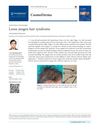
 Loose anagen hair syndrome causes easily shed hair but usually improves with time.
 January 2023 in “Springer eBooks”
 Most older adults experience pattern hair loss due to shrinking hair follicles, with men and women showing different balding patterns.
 September 2022 in “Intisasi sains media”
 A young child with complete hair loss improved significantly with a combination of hair growth treatments and laser therapy.

Hair loss can be caused by hormones, illness, autoimmune disorders, or vitamin deficiencies, and treatments vary depending on the type.
January 2022 in “Clinical Cases in Dermatology” Hypothyroidism can cause hair loss, which is often reversible with treatment.
January 2022 in “Clinical Cases in Dermatology” A 22-year-old man has alopecia areata, an autoimmune hair loss condition, with various treatments available.
 January 2022 in “Clinical dermatology open access journal”
 Early-stage Alopecia Areata was effectively treated in less than six months.