 June 2012 in “Springer eBooks”
 Eating disorders can cause various hair problems, and while hair loss in these disorders is linked to metabolic syndrome, treatment focuses on specific medications and lifestyle changes for the syndrome.
 April 2012 in “Informa Healthcare eBooks”
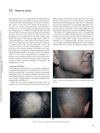
 Alopecia areata is a common autoimmune condition causing varying hair loss, diagnosed by specific patterns of inflammation around hair follicles, with several treatment options available.
 January 2012 in “Journal of Natural Remedies”
 The Abrus precatorius extract can effectively promote hair growth similar to standard treatments.
 January 2012 in “Postgraduate obstetrics & gynecology”
 Up to 50% of women may experience significant hair loss by age 50, with various causes and treatments available.
 January 2010 in “Elsevier eBooks”
 The document concludes that different types of hair loss have specific treatments, and early diagnosis is crucial for preventing permanent hair loss.
January 2009 in “Gynäkologische Endokrinologie” Minoxidil solution can effectively treat hair thinning in women.
 October 1996 in “Dermatologic Clinics”
 Research on hair disorders has advanced, with promising future progress in understanding and treating these conditions.
 September 2015 in “British Journal of Dermatology”
 Most clinicians follow discharge guidelines, many lupus patients don't use sunscreen regularly, dithranol is effective for psoriasis, biopsy methods should be based on lesion type, voriconazole may raise skin cancer risk, a new scale can help diagnose female hair loss early, and most melanomas may develop from existing moles.
 July 2004 in “Dermatologic Surgery”
 A woman had temporary hair loss due to a stress-related condition after a facelift.
April 2023 in “Dermatology and therapy” Most patients stop using topical minoxidil due to side effects.
 January 2022 in “Tissue & Cell”
 Using both platelet-rich plasma and minoxidil together gives the best results for hair growth in male rats with hair loss.
 April 2021 in “Journal of The European Academy of Dermatology and Venereology”
 Age, hair loss duration, menopause, and specific treatments affect hair density and caliber in female hair loss patients.
 December 2020 in “Actas Dermo-Sifiliográficas”
 LLLT increases hair density and growth in AGA patients.
 September 2015 in “SelfCare Journal”
 Two treatments for male pattern hair loss are minoxidil and finasteride, but they have side effects and may not satisfy everyone.
 August 2012 in “Journal of Evidence-based Medicine”
 Minoxidil helps with hair regrowth in women with androgenic alopecia.
January 2026 in “Open Science Framework” Standardized procedures are needed for accurate hair cortisol analysis.
 1 citations
,
October 2018 in “InTech eBooks”
1 citations
,
October 2018 in “InTech eBooks” The document concludes that treatments for cicatricial alopecia are not well-supported by evidence, but hair transplantation shows more predictable and satisfactory results.
 1 citations
,
March 1992 in “Postgraduate Medicine”
1 citations
,
March 1992 in “Postgraduate Medicine” About 40% of women by age 60 experience significant hair loss, often due to androgenetic alopecia, with treatments like minoxidil available and hope for future cures.
 December 2025 in “International Journal of Innovative Technologies in Social Science”
 Effective treatments for hair loss include minoxidil, 5α-reductase inhibitors, and personalized combination therapies.
 February 2025 in “Plastic and Aesthetic Research”
 Minoxidil and finasteride effectively promote hair regrowth within 3 months.
 May 2003 in “Facial Plastic Surgery Clinics of North America”
 Hair loss can be treated with medications like minoxidil and finasteride or surgery, but treatment effectiveness varies by alopecia type and accurate diagnosis is important.
 January 2002 in “Dermatologic Surgery”
 Minoxidil is effective in preventing hair loss after facelift surgery.
 370 citations
,
September 1999 in “The New England Journal of Medicine”
370 citations
,
September 1999 in “The New England Journal of Medicine” Finasteride and minoxidil are effective for hair loss, but continued research is needed for better treatments.
 233 citations
,
February 2018 in “Polymers”
233 citations
,
February 2018 in “Polymers” Chitin and chitosan are useful in cosmetics for oral care, haircare, and skincare, including UV protection and strength improvement.
 226 citations
,
September 2001 in “Journal of The American Academy of Dermatology”
226 citations
,
September 2001 in “Journal of The American Academy of Dermatology” Hair loss in women is genetic, diagnosed by examination and biopsy, and treated with minoxidil, finasteride, or transplantation.
 218 citations
,
January 2013 in “The Lancet Oncology”
218 citations
,
January 2013 in “The Lancet Oncology” Chemotherapy causes hair loss by damaging hair follicles and stem cells, with more research needed for prevention and treatment.
 203 citations
,
December 2004 in “Journal of The American Academy of Dermatology”
203 citations
,
December 2004 in “Journal of The American Academy of Dermatology” Early diagnosis and treatment, using finasteride, minoxidil, or hair transplantation, improves hair loss outcomes.
 198 citations
,
October 2011 in “Journal der Deutschen Dermatologischen Gesellschaft”
198 citations
,
October 2011 in “Journal der Deutschen Dermatologischen Gesellschaft” Use minoxidil for hair loss; finasteride and dutasteride for men, dutasteride for women.
 182 citations
,
December 2017 in “Journal of the American Academy of Dermatology”
182 citations
,
December 2017 in “Journal of the American Academy of Dermatology” Some treatments can help with a hair loss condition called alopecia areata, but none ensure lasting results; choices depend on the person, with JAK inhibitors showing promise for severe cases.
 174 citations
,
November 2002 in “Expert Reviews in Molecular Medicine”
174 citations
,
November 2002 in “Expert Reviews in Molecular Medicine” Hair loss needs more research for better treatments.