Minoxidil can help with hair loss, but its effectiveness depends on the patient and formulation.
 July 2024 in “International Journal of Medical Arts”
 Latanoprost is more effective than minoxidil for treating alopecia areata.
 January 2026 in “Figshare”
 Low-dose oral minoxidil improves hair loss and quality of life for women, despite mild unwanted hair growth.
 4 citations
,
January 2017 in “Indian Dermatology Online Journal”
4 citations
,
January 2017 in “Indian Dermatology Online Journal” A child used a hair growth lotion for hair loss, but it caused excessive hair growth on his face and neck instead.
December 2025 in “Actas Dermo-Sifiliográficas”  August 2024 in “Archives of Dermatological Research”
 Low-dose oral minoxidil is effective and safe for treating androgenetic alopecia.
 September 2023 in “Archives of Dermatological Research”
 Using minoxidil with microneedling increases hair count for hair loss without serious side effects.
Using minoxidil daily with monthly minoxidil mesotherapy is more effective for hair loss than monthly PRP microneedling treatments.
 1 citations
,
February 2022 in “JAMA Dermatology”
1 citations
,
February 2022 in “JAMA Dermatology” Minoxidil and finasteride are FDA-approved treatments for male hair loss, but off-label use of oral minoxidil, dutasteride, and higher doses of finasteride and minoxidil is increasing.
2 citations
,
October 2012 in “Indian Journal of Dermatology, Venereology and Leprology” Minoxidil may help reduce early hair loss after a hair transplant.
January 2014 in “Journal of Clinical Dermatology” Topical minoxidil improves life quality for women with hair loss.
 19 citations
,
October 2017 in “European Journal of Pharmaceutics and Biopharmaceutics”
19 citations
,
October 2017 in “European Journal of Pharmaceutics and Biopharmaceutics” The gel made of minoxidil and hydroxypropyl-β-cyclodextrin improves hair growth and is good for long-term use.
 102 citations
,
September 1977 in “The Lancet”
102 citations
,
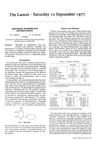
September 1977 in “The Lancet” Minoxidil with propranolol and diuretics lowers blood pressure but causes fluid retention and hair growth.
 6 citations
,
January 2017 in “Annals of Dermatology”
6 citations
,
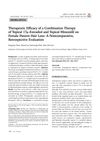
January 2017 in “Annals of Dermatology” Combination of 17α-estradiol and minoxidil improves hair growth and reduces hair loss in most patients.
Minoxidil can cause hair growth as a side effect.
5 citations
,
May 2025 in “Journal of the American Academy of Dermatology”  March 2005 in “Journal of The American Academy of Dermatology”
 Two cosmetic lotions improved hair growth and had better cosmetic effects than 2% minoxidil.
 November 2025 in “SKIN The Journal of Cutaneous Medicine”
 Low-level light therapy safely increases hair growth in various types of hair loss.
January 2006 in “The journal of clinical and aesthetic dermatology” Women using 5% minoxidil for hair loss were mostly satisfied and had improved quality of life, despite some impact on social life and hairstyle choices.
 4 citations
,
March 2017 in “PubMed”
4 citations
,
March 2017 in “PubMed” Increasing the dosage of minoxidil can help hair regrowth in women who didn't respond to the standard treatment.
23 citations
,
July 1988 in “International Journal of Dermatology” Minoxidil is safe and effectively increases hair growth in early male pattern baldness.
 117 citations
,
September 2013 in “Lasers in Surgery and Medicine”
117 citations
,
September 2013 in “Lasers in Surgery and Medicine” Red light therapy at 655 nm significantly improved hair growth in men with hair loss.
 3 citations
,
April 2016 in “PubMed”
3 citations
,
April 2016 in “PubMed” Using Minoxidil 5% foam with a botanical hair solution twice daily can significantly improve hair growth and appearance in men with hair loss, and is generally well-tolerated.
 June 2023 in “Skin Research and Technology”
 Using platelet-rich plasma injections and 5% minoxidil topically can safely and effectively treat mild-to-moderate male pattern baldness.
37 citations
,
March 1986 in “Acta Dermato Venereologica” 1% minoxidil didn't improve hair growth in severe alopecia areata.
6 citations
,
April 2022 in “Journal of The American Academy of Dermatology” Low-dose oral minoxidil improved hair growth in most pediatric patients with mild side effects.
January 2021 in “International Journal of Research in Dermatology” Combination therapies are more effective for treating androgenetic alopecia than single treatments.
 February 2026 in “PubMed”
 Low-dose oral minoxidil improves hair loss and quality of life for women, despite mild side effects.
 21 citations
,
January 2007 in “Australasian Journal of Dermatology”
21 citations
,
January 2007 in “Australasian Journal of Dermatology” Spironolactone and minoxidil together effectively treat female pattern hair loss.