 5 citations
,
October 1988 in “Clinics in Dermatology”
5 citations
,
October 1988 in “Clinics in Dermatology” Minoxidil promotes hair growth but exact mechanism is unknown.
 32 citations
,
May 1995 in “Contact Dermatitis”
32 citations
,
May 1995 in “Contact Dermatitis” Minoxidil can cause allergic reactions, but testing helps identify the cause.
 January 2011 in “Kufa Medical Journal”
 Minoxidil solution applied on skin can effectively promote hair growth and increase hair thickness in male mice.

Minoxidil nanoliposomes boost hair growth and reduce scalp bacteria better than regular minoxidil.
 14 citations
,
September 2020 in “Dermatologic Therapy”
14 citations
,
September 2020 in “Dermatologic Therapy” Oral minoxidil improves hair density in women with androgenetic alopecia, with mild side effects.
 19 citations
,
June 2020 in “International Journal of Dermatology”
19 citations
,
June 2020 in “International Journal of Dermatology” Low-dose oral minoxidil effectively treats non-scarring hair loss with some side effects like hypertrichosis and postural hypotension.

Low-dose oral minoxidil is effective and generally safe for treating hair loss in women.
 August 2025 in “Indian Dermatology Online Journal”
 Combining minoxidil with phototherapy improves vitiligo treatment better than phototherapy alone.
 4 citations
,
May 2019 in “PubMed”
4 citations
,
May 2019 in “PubMed” Topical minoxidil does not change the activity of hair follicle enzymes that metabolize it.
2 citations
,
April 2020 in “PubMed” January 2021 in “Asian Journal of Research in Dermatological Science” November 2008 in “Central Plains Medical Journal” Combining zinc with 2% minoxidil is effective for long-term treatment of hair loss.
 November 1999 in “Reactions Weekly” June 2025 in “British Journal of Dermatology”
 Low-dose oral minoxidil and finasteride effectively improve hair growth in men with androgenetic alopecia.
October 2013 in “Evidence-Based Practice” Minoxidil is effective and safe for female hair loss, with the 5% foam having the fewest side effects.
 30 citations
,
April 1990 in “Clinical Pharmacology & Therapeutics”
30 citations
,
April 1990 in “Clinical Pharmacology & Therapeutics” Tretinoin cream boosts minoxidil absorption, possibly improving hair loss treatment.
26 citations
,
March 1987 in “Journal of the American Academy of Dermatology” Minoxidil helps hair regrowth by stimulating hair follicles and reducing immune responses.
Minoxidil can cause hair growth as a side effect.
1 citations
,
October 2024 in “JACC Case Reports” Minoxidil can cause heart inflammation, so users should be monitored.
 February 2025 in “Expert Opinion on Drug Safety”
 Topical minoxidil may cause more side effects than currently listed, needing updated safety information.
 14 citations
,
January 2007 in “Journal of Dermatological Treatment”
14 citations
,
January 2007 in “Journal of Dermatological Treatment” Minoxidil solution had low effect, causing 99% to stop using it.
 34 citations
,
February 1992 in “The Journal of Clinical Endocrinology and Metabolism”
34 citations
,
February 1992 in “The Journal of Clinical Endocrinology and Metabolism” Finasteride and minoxidil together promote hair growth better than either alone.
 October 2024 in “International Journal of Pharmaceutical Sciences Review and Research”
 A 5% minoxidil spray could effectively treat male baldness with fewer side effects and better patient comfort.
March 1990 in “Journal of Dermatological Science” 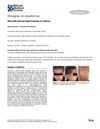 12 citations
,
January 2014 in “The Pan African medical journal”
12 citations
,
January 2014 in “The Pan African medical journal” Minoxidil caused unwanted hair growth in a child, but stopped after stopping treatment.
Low-dose oral minoxidil is effective for treating hair loss with personalized plans and safety monitoring.
3 citations
,
January 1988 in “The Nishinihon Journal of Dermatology” Minoxidil slows hair cell growth but doesn't change cell shape or development.
17 citations
,
July 1988 in “International Journal of Dermatology” Men using minoxidil felt better about hair loss and self-esteem than those using a placebo.
1 citations
,
January 2016 in “Journal of Headache & Pain Management” Discontinuing topical minoxidil can resolve headaches and dizziness.
 April 2025 in “Al-Azhar International Medical Journal /Al-Azhar International Medical Journal”
 Minoxidil is the most common treatment for male hair loss, but sildenafil shows promise as an alternative.