 May 2015 in “Journal of The American Academy of Dermatology”
 Oral minoxidil effectively increases hair growth in male baldness but can cause side effects like excessive hair growth and swelling.

More minoxidil applied topically leads to better hair growth in male pattern baldness.
2 citations
,
March 2004 in “Journal of the American Academy of Dermatology” Minoxidil 5% solution quickly improves hair growth and density with minimal side effects.
8 citations
,
January 1989 in “PubMed” Minoxidil did not affect hair growth in newborn mice.

Using too much topical minoxidil can cause serious side effects like dizziness and low blood pressure.
 1 citations
,
March 2015 in “Oriental Journal of Chemistry/Oriental journal of chemistry”
1 citations
,
March 2015 in “Oriental Journal of Chemistry/Oriental journal of chemistry” A new method accurately measures minoxidil and aminexil in drugs.
 14 citations
,
May 2005 in “Farmaco”
14 citations
,
May 2005 in “Farmaco” A method was created in 2005 to identify minoxidil, a hair growth ingredient, in products using two types of capillary zone electrophoresis, and it found that most products had about 2% minoxidil.
November 2025 in “The Journal of Dermatology” Minoxidil helps hair regrow faster in stress-related hair loss.
1 citations
,
November 2017 in “JFL : Jurnal Farmasi Lampung” Nothopanax scutellarium extract can effectively promote hair growth in male rabbits.
April 2022 in “Journal of advances in medicine and medical research” Topical minoxidil 5% effectively improves hair density and width in men with androgenetic alopecia.
 39 citations
,
April 2010 in “International Journal of Pharmaceutics”
39 citations
,
April 2010 in “International Journal of Pharmaceutics” Nanoparticles improve minoxidil skin permeation, but more research needed for effective hair growth.
3 citations
,
January 1988 Minoxidil helps hair grow, especially in people with mild hair loss.
12 citations
,
October 2015 in “PubMed” Topical minoxidil significantly increases hair growth in androgenetic alopecia but only some patients see cosmetically acceptable results.
7 citations
,
July 2016 in “PubMed” Laser Doppler imaging can predict how well minoxidil will work for female hair loss.
 21 citations
,
January 2017 in “Skin Pharmacology and Physiology”
21 citations
,
January 2017 in “Skin Pharmacology and Physiology” Caffeine-based liquid 0.2% is as effective as minoxidil 5% for treating male hair loss.
 September 2025 in “International Journal of Innovative Technologies in Social Science”
 Low-dose oral minoxidil is effective and safe for hair loss, but more research is needed.
 14 citations
,
December 1998 in “The Journal of Clinical Endocrinology and Metabolism”
14 citations
,
December 1998 in “The Journal of Clinical Endocrinology and Metabolism” MENT could be a better option than testosterone for male hormone therapy and birth control because it works well at lower doses and has fewer side effects on the prostate.
 February 2025 in “Journal of Dermatological Treatment”
 Low-dose oral minoxidil improved hair growth in a woman with short anagen syndrome.
 24 citations
,
March 1987 in “Journal of The American Academy of Dermatology”
24 citations
,
March 1987 in “Journal of The American Academy of Dermatology” Minoxidil 1% and 2% best promote hair growth and may prevent hair loss.
 September 1987 in “International Journal of Dermatology”
 Dr. Baral observed that applying minoxidil can cause hair to grow in areas other than where it was applied.
 102 citations
,
September 1977 in “The Lancet”
102 citations
,
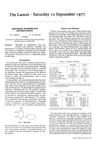
September 1977 in “The Lancet” Minoxidil with propranolol and diuretics lowers blood pressure but causes fluid retention and hair growth.
March 2025 in “Actas Dermo-Sifiliográficas” High-dose oral minoxidil can improve hair growth but may cause side effects.
 August 2025 in “Macromolecular Bioscience”
 Microneedles with minoxidil and nitric oxide improve hair growth effectively and painlessly.
 12 citations
,
May 2023 in “EMBO reports”
12 citations
,
May 2023 in “EMBO reports” High mTORC1 activity slows hair growth and causes it to lose color.
69 citations
,
April 2010 in “Clinical ophthalmology” Bimatoprost is effective for growing longer, thicker, and darker eyelashes.
 23 citations
,
April 2010 in “Clinical, cosmetic and investigational dermatology”
23 citations
,
April 2010 in “Clinical, cosmetic and investigational dermatology” Bimatoprost ophthalmic solution 0.03% safely and effectively increases eyelash growth when applied to the upper eyelid.
October 2025 in “Clinical and Experimental Dermatology” Low-dose oral minoxidil significantly improves hair density in non-scarring alopecia.
 October 2016 in “International journal of medical research and review”
 Minoxidil, a hair loss treatment, may cause acne-like skin eruptions.
April 2025 in “Skin Health and Disease” Oral minoxidil is an effective alternative for hair loss but may cause more unwanted hair growth.
1 citations
,
March 2025 in “JAAD reviews.” Minoxidil is effective for hair regrowth, and its benefits outweigh the risk of extra hair growth.