Different genes and pathways are active in yak skin and hair cells, affecting hair growth and immune responses.
 April 2026 in “BMC Genomics”
 Hair type differences in cashmere goats are linked to keratin and cytoskeletal organization.
March 2026 in “Stem Cell Reviews and Reports”  July 2025 in “Current Issues in Molecular Biology”
 Bio-Pulsed sEVs improve hair growth and skin rejuvenation.
 June 2025 in “IntechOpen eBooks”
 Exosomes may improve skin and hair treatments but need more research for safe use.
 April 2025 in “BMC Immunology”
 Targeting SIRT1 with antisense oligonucleotides could be a promising treatment for hair loss.
 July 2024 in “Pharmaceutics”
 The new hydrogel treatment promotes faster hair growth and better skin health for hair loss.
 February 2024 in “Heliyon”
 People with androgenetic alopecia have different lipid levels in their blood, which vary between men and women, and may be linked to a higher risk of metabolic syndrome.
 February 2023 in “International Journal of Molecular Sciences”
 Exosomes from skin cells can boost hair growth by stimulating a gene called LEF1.
August 2022 in “International Journal of Molecular Sciences” DNA methylation controls lncRNA2919, which negatively affects hair growth.
April 2026 in “World Allergy Organization Journal” Allergic rhinitis increases hair loss risk, but antihistamines can reduce it.
 August 2024 in “Medicine”
 Most patients with PCOS were prescribed medroxyprogesterone acetate or oral contraceptives, with some experiencing side effects or needing prescription changes.
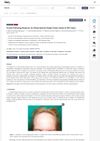
The study concluded that Frontal fibrosing alopecia can affect younger people, is often missed in men, and may be autoimmune-related.
112 citations
,
September 2021 in “BMC Biology” Key genes and factors crucial for hair follicle development and wool traits in Merino sheep were identified.
41 citations
,
February 2021 in “Translational research” Non-coding RNAs could help detect and treat radiation damage.
9 citations
,
August 2025 in “Current Issues in Molecular Biology” Extracellular vesicles can help regenerate bones but need more research for safe clinical use.
9 citations
,
October 2024 in “Heliyon” Exosomes show promise for healing diabetic foot ulcers.
5 citations
,
May 2022 in “Diagnostics” Certain genetic markers can indicate higher or lower risk for systemic lupus erythematosus.
4 citations
,
May 2025 in “Stem Cell Research & Therapy” Extracellular vesicles may help prevent and repair spine disc degeneration.
2 citations
,
September 2025 in “Journal of Clinical Medicine” Small extracellular vesicles can help diagnose and manage sepsis.
1 citations
,
January 2025 in “Genes & Diseases” Understanding T cells and signaling pathways can lead to better treatments for hair loss.
June 2025 in “International Journal of Molecular Sciences” LncRNAs play a crucial role in muscle regulation and could help develop treatments for Duchenne muscular dystrophy.
 May 2025 in “Antioxidants”
 Natural products show promise for treating diseases but need more research to understand and use them effectively.
 December 2024 in “Pharmaceutics”
 Extracellular vesicles show promise for treating psoriasis by reducing inflammation and skin lesions.
April 2024 in “Biomolecules” Exosomal miRNAs from stem cells can help improve skin health and delay aging.
 March 2026 in “Biomolecules”
 MicroRNAs play a key role in controlling hair growth and quality in sheep and goats.
1036 citations
,
August 2019 in “Cells” Mesenchymal stem cells can help repair body tissues with low risk of rejection.
488 citations
,
July 2021 in “Cell” Fibroblasts are crucial for tissue repair and inflammation, and understanding them can help treat fibrotic diseases.
387 citations
,
May 2019 in “International Journal of Molecular Sciences” Adipose-derived stem cells are promising for regenerative medicine due to their accessibility, versatility, and low risk of immune rejection.
380 citations
,
February 2023 in “Journal of Clinical Medicine” PCOS is influenced by various factors and may be managed by restoring gut health and using new therapies.