 16 citations
,
April 2022 in “PLoS ONE”
16 citations
,
April 2022 in “PLoS ONE” Certain microRNAs found in normal cells can effectively suppress various cancers.
 12 citations
,
April 2014 in “Molecular Medicine Reports”
12 citations
,
April 2014 in “Molecular Medicine Reports” Targeting specific miRNAs may help treat hair follicle issues caused by hydrogen peroxide.
 1 citations
,
March 2023 in “PloS one”
1 citations
,
March 2023 in “PloS one” Different amounts of daylight affect cashmere growth in goats by changing the activity of certain genes and molecules.
 46 citations
,
June 2018 in “American Journal of Clinical Dermatology”
46 citations
,
June 2018 in “American Journal of Clinical Dermatology” Hair loss is common in lupus patients and can be permanent or reversible, depending on the type, with various treatments available.
 1 citations
,
December 2022 in “The Nishinihon Journal of Dermatology”
1 citations
,
December 2022 in “The Nishinihon Journal of Dermatology” Baricitinib is an effective treatment for severe alopecia areata.
 130 citations
,
January 2017 in “International journal of nanomedicine”
130 citations
,
January 2017 in “International journal of nanomedicine” Silver nanoparticles coated with substances like PEG showed strong antibacterial effects and improved wound healing when used in hydrogels.
 56 citations
,
February 2010 in “PLOS ONE”
56 citations
,
February 2010 in “PLOS ONE” Blocking Wnt signaling in young mice causes thymus shrinkage and cell loss, but recovery is possible when the block is removed.
 32 citations
,
May 2012 in “PloS one”
32 citations
,
May 2012 in “PloS one” Thymic transplantation normalized some T-cells but not others, maintaining immune function.
 13 citations
,
June 2020 in “Stem Cells International”
13 citations
,
June 2020 in “Stem Cells International” A substance from a specific gel helped to grow hair effectively in mice, suggesting it could potentially be used to treat hair loss in humans.
 11 citations
,
May 2023 in “Journal of Cancer Research and Clinical Oncology”
11 citations
,
May 2023 in “Journal of Cancer Research and Clinical Oncology” CRISPR/Cas systems show promise for cancer treatment by targeting miRNAs, but delivery and specificity challenges remain.
 10 citations
,
December 2015 in “International Journal of Molecular Sciences”
10 citations
,
December 2015 in “International Journal of Molecular Sciences” PDCD4 is important for controlling skin cell growth and healing.
 6 citations
,
August 2006 in “Journal of Cutaneous Pathology”
6 citations
,
August 2006 in “Journal of Cutaneous Pathology” Two teenage brothers had a rare, treatment-resistant form of female-pattern hair loss with unusual scalp changes.
5 citations
,
July 2019 in “Research Square (Research Square)” Yak hair growth is influenced by genes and hormones, helping them adapt to alpine environments.
 2 citations
,
September 2022 in “Frontiers in veterinary science”
2 citations
,
September 2022 in “Frontiers in veterinary science” Certain long non-coding RNAs are important for the growth of hair follicles in Inner Mongolian cashmere goats.
SL-HyDE improves medical information retrieval accuracy without needing labeled data.
Nanotechnology can improve alopecia treatments but faces stability challenges.
 January 2020 in “bioRxiv (Cold Spring Harbor Laboratory)”
 Semecarpus anacardium leaf extracts may offer safe, effective cancer treatment alternatives.
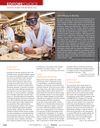 September 2013 in “Science”
 The document concludes that human astrocytes aid stroke recovery, research confidence affects student career aspirations, collagen affects cancer spread, a microRNA suppresses brain cancer growth, calmodulin regulates water channels, and small magnesium pieces deform differently.
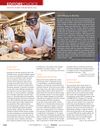 September 2013 in “Science”
 Certain astrocytes can protect the brain and improve recovery after a stroke, and a hair loss drug might reduce cancer spread.
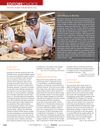 September 2013 in “Science”
 Human stem cells can aid stroke recovery, research experiences boost students' career aspirations, minoxidil may reduce cancer spread, a molecule can slow tumor growth, a protein affects water flow in cells, magnesium behaves differently at tiny scales, and a new method detects slow-moving objects.
 September 2013 in “Science”
 Special astrocytes improved learning and memory in rats after a stroke.

Ovol2 is crucial for hair growth and skin healing by controlling cell movement and growth.
 May 2025 in “Galen Medical Journal”
 New targeted therapies for psoriasis show promise but face challenges like side effects and treatment resistance.
 7 citations
,
October 2013 in “Methods in molecular biology”
7 citations
,
October 2013 in “Methods in molecular biology” These methods help understand DNA changes in mouse skin.
 1 citations
,
August 2018 in “Journal of The American Academy of Dermatology”
1 citations
,
August 2018 in “Journal of The American Academy of Dermatology” Dutasteride and minoxidil mesotherapy effectively treats hair loss with minimal side effects.
 1 citations
,
August 2018 in “Journal of The American Academy of Dermatology”
1 citations
,
August 2018 in “Journal of The American Academy of Dermatology” Patients with melanoma who saw dermatologists and were from higher-income areas were more likely to have follow-up visits, which was linked to lower mortality.
 August 2018 in “Journal of The American Academy of Dermatology”
 Regular follow-up visits, especially with dermatologists, can lower death rates for melanoma patients, with socioeconomic factors also affecting outcomes.
 January 2026 in “International Journal of Current Research and Review”
 Maidenhair fern may help with health issues but should not be used during pregnancy.
 305 citations
,
March 2018 in “International journal of molecular sciences”
305 citations
,
March 2018 in “International journal of molecular sciences” The document concludes that the understanding of scar formation is incomplete and current prevention and treatment for hypertrophic scars and keloids are not fully effective.
 290 citations
,
December 2017 in “Journal of The American Academy of Dermatology”
290 citations
,
December 2017 in “Journal of The American Academy of Dermatology” Alopecia areata is an autoimmune condition causing hair loss, influenced by genetics, stress, and diet, and may be prevented by a high soy oil diet.