384 citations
,
January 2008 in “Journal of Internal Medicine” Mitochondrial dysfunction contributes to ageing by causing DNA mutations and reduced cell function.
10 citations
,
March 2016 in “Toxicology and applied pharmacology” Using A132 hair dye with sunlight can cause skin damage and hair loss.
 53 citations
,
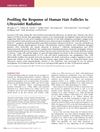
January 2009 in “Journal of Investigative Dermatology”
53 citations
,
January 2009 in “Journal of Investigative Dermatology” UVB radiation harms hair growth and health, causing cell death and other changes in human hair follicles.
 17 citations
,
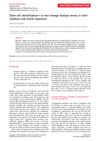
March 2012 in “The Journal of Pathology”
17 citations
,
March 2012 in “The Journal of Pathology” In vivo lineage labelling is better than in vitro methods for identifying and understanding stem cells.
11 citations
,
June 2015 in “Scientific Reports” The mtDNA N haplogroup is linked to a higher risk of late-onset lupus and specific symptoms in Han Chinese women.
6 citations
,
June 2023 in “Experimental Dermatology” Targeting mitophagy may help treat alopecia areata by reducing inflammasome activation.
 6 citations
,
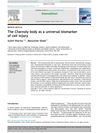
May 2014 in “Biomarkers and Genomic Medicine”
6 citations
,
May 2014 in “Biomarkers and Genomic Medicine” Charnoly bodies could be a marker for cell damage, and certain nutrients and proteins might prevent them, potentially helping with brain diseases and cancer.
 4 citations
,
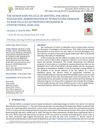
December 2020 in “International journal of research - granthaalayah”
4 citations
,
December 2020 in “International journal of research - granthaalayah” Tetracycline can stick to hair follicles and potentially cause hair loss.
 February 2024 in “bioRxiv (Cold Spring Harbor Laboratory)”
 Activating TLR9 helps heal large wounds and regrow hair by involving a specific type of immune cell.
 September 2017 in “Clinical and Experimental Dermatology”
 The document summarized various dermatology studies and case reports.
 April 2023 in “The journal of investigative dermatology/Journal of investigative dermatology”
 Activating mitophagy may help manage a key immune response involved in the hair loss condition alopecia areata.
 March 2026 in “International Journal of Science and Research (IJSR)”
 Melatonin protects skin and supports hair growth.
 215 citations
,
March 2018 in “Archives of Toxicology”
215 citations
,
March 2018 in “Archives of Toxicology” Tiny pollution particles called PM2.5 can harm skin cells by causing stress, damage to cell parts, and cell death.
 31 citations
,
January 2011 in “Dermato-endocrinology”
31 citations
,
January 2011 in “Dermato-endocrinology” Melatonin protects skin against UV damage by regulating various cellular processes.
 20 citations
,
November 2019 in “International Journal of Environmental Research and Public Health”
20 citations
,
November 2019 in “International Journal of Environmental Research and Public Health” Breathing in high levels of certain air pollutants significantly increases women's risk of developing Polycystic Ovary Syndrome.
 16 citations
,
May 2020 in “Frontiers in pharmacology”
16 citations
,
May 2020 in “Frontiers in pharmacology” Minoxidil can stop the growth of ovarian cancer cells without harming the heart.
June 2026 in “Journal of Biological Studies” Centella asiatica may help extend healthspan by targeting aging processes.
Spaceflight can harm skin health, but organisms can adapt after returning to Earth.
 January 2023 in “Postępy Dermatologii i Alergologii”
 Azelaic acid treats acne, rosacea, and hyperpigmentation with minimal side effects.
 November 2022 in “Journal of Investigative Dermatology”
 The document concludes that a new method has been developed to test anti-aging substances on human skin, showing that these substances can reduce skin aging signs.
January 2008 in “中山醫學大學醫學研究所學位論文” Danthron from Rhubarb causes melanoma cells to stop growing and die.
19 citations
,
February 2001 in “Journal of paediatrics and child health” A new mutation in the mitochondrial DNA was found in a boy with MELAS, even though his family didn't show typical signs.
16 citations
,
November 2017 in “British Journal of Dermatology” Cells in hair die by breaking down their DNA and mitochondria as they form keratin.
 April 2018 in “Radiotherapy and Oncology”
 Mitochondria may influence how cells respond to radiation, affecting nearby non-irradiated cells.
August 2022 in “Journal of Investigative Dermatology” Baricitinib reduces inflammation and mitochondrial damage in skin cells.
75 citations
,
June 2007 in “Journal of Biological Chemistry” MT-DADMe-ImmA can selectively kill head and neck cancer cells without harming normal cells.
100 citations
,
November 2017 in “EMBO Reports” Metabolic signals and cell shape influence how cells develop and change.
 2 citations
,
June 2017 in “Pediatric Dermatology”
2 citations
,
June 2017 in “Pediatric Dermatology” A critically ill boy experienced hair loss likely due to the stress of his medical treatments, but his hair regrew completely in 1.5 months.
August 2018 in “Illinois Digital Environment for Access to Learning and Scholarship (University of Illinois at Urbana-Champaign)” Chronological age affects the mouse auditory cortex more than hearing loss, and the brain may be less sensitive to mitochondrial dysfunction.
 December 2024 in “Turkish Journal of Forensic Medicine”
 Next-Generation Sequencing improves forensic analysis by providing detailed genetic information quickly.