 1 citations
,
January 2023 in “Journal of cosmetic dermatology”
1 citations
,
January 2023 in “Journal of cosmetic dermatology” Combining CO2 laser with platelet-rich plasma is more effective for treating acne scars than laser alone.
December 2023 in “Modern engineering and innovative technologies” ChromaLens offers more precise and stable hair coloring than traditional methods.
 1 citations
,
April 2018 in “The journal of investigative dermatology/Journal of investigative dermatology”
1 citations
,
April 2018 in “The journal of investigative dermatology/Journal of investigative dermatology” Topical patidegib gel effectively treats basal cell carcinoma in Gorlin syndrome patients without causing the side effects seen with oral treatments.
7 citations
,
March 2023 in “Lasers in Surgery and Medicine” Ablative fractional laser treatment nearly matches the gene reduction effects of topical vismodegib in skin cancer.
38 citations
,
August 2015 in “Drug Design Development and Therapy” Topical flutamide works as well as hydroquinone for melasma but needs more safety checks.
 7 citations
,
February 2010 in “British Journal of Dermatology”
7 citations
,
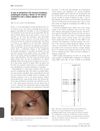
February 2010 in “British Journal of Dermatology” A woman with a rare autoimmune disorder had a blister on her eye and unique immune reaction, which was effectively treated with medication.
 4 citations
,
January 2011 in “Current problems in dermatology”
4 citations
,
January 2011 in “Current problems in dermatology” At-home laser and light devices can safely reduce acne and hair growth when used correctly but are less effective than professional treatments.

Combining PRP with low-level laser therapy is better for hair growth than PRP alone.
 77 citations
,
January 1980 in “Carcinogenesis”
77 citations
,
January 1980 in “Carcinogenesis” TPA is about 50 times more effective at promoting tumors than MZ.
 27 citations
,
December 2014 in “Current problems in dermatology”
27 citations
,
December 2014 in “Current problems in dermatology” Photodynamic therapy is the preferred treatment for skin precancer due to its effectiveness and safety.
 25 citations
,
July 2019 in “Journal of drug delivery science and technology”
25 citations
,
July 2019 in “Journal of drug delivery science and technology” Researchers created better skin-application menthol capsules that are stable, safe, and penetrate the skin quickly.
September 2022 in “Research Square (Research Square)” 5% topical minoxidil improves hair density and quality in monilethrix patients.
 July 2022 in “Skin research and technology”
 Skin CT can help diagnose rosacea by identifying specific skin features, but should be used with clinical signs to avoid misdiagnosis.
1 citations
,
March 2018 in “Journal of lasers in medical sciences” Combining capislow with laser is more effective for reducing unwanted hair, but the effect is temporary.
 March 2025 in “Frontiers in Veterinary Science”
 Changing light exposure boosts hormone levels and antioxidant activity, improving cashmere growth in goats.
July 2020 in “Faculty Opinions – Post-Publication Peer Review of the Biomedical Literature” 15 citations
,
April 2011 in “The journal of investigative dermatology/Journal of investigative dermatology” A3B5 can reduce skin pigmentation and slow melanoma growth.
July 1974 in “Archives of Dermatology” Ultraviolet light treatment with trioxsalen was ineffective for vitiligo in the cases described.
 48 citations
,
March 2022 in “Nano Letters”
48 citations
,
March 2022 in “Nano Letters” The document explains how to make antibacterial microneedles inspired by lamprey teeth to help heal infected wounds.
June 2018 in “Dermatologic Surgery”  December 2025 in “Dermatology Reports”
 Topical ruxolitinib quickly improves non-segmental vitiligo.
 April 2019 in “The journal of investigative dermatology/Journal of investigative dermatology”
 Scientists discovered a new way UVB light increases skin pigmentation through the ATP-P2X7 pathway.
1 citations
,
January 2015 in “Hair transplant forum international” Strict regulations may slow down new LLLT treatments.
 January 2025 in “Journal of Materials Chemistry B”
 The new microneedle treatment could be a more effective and convenient option for hair loss.
May 2026 in “Chemical Engineering Journal” 6 citations
,
January 2018 in “International Journal of Dermatology” Repigmentation patterns in vitiligo depend on melanocyte source, lesion status, and therapy choice.
8 citations
,
March 2022 in “Cancers” Proton minibeam radiotherapy may reduce skin side effects by causing localized DNA damage.
November 2020 in “Journal of the American Academy of Dermatology” Intense pulsed light with radiofrequency showed mixed results in improving quality of life for hidradenitis suppurativa patients, with no clinical improvements.
January 2026 in “Journal of Investigative Dermatology” 3D imaging effectively tracks skin changes in vitiligo treatment.
October 2025 in “Lasers in Medical Science”