 10 citations
,
July 2022 in “Journal of Medicinal Chemistry”
10 citations
,
July 2022 in “Journal of Medicinal Chemistry” Adding a second method to PROTACs could improve cancer treatment.
 July 2021 in “British Journal of Dermatology”
 Laser treatment for skin conditions VEN and ILVEN is effective and liked by patients.
 February 2009 in “Journal of The American Academy of Dermatology”
 Pulsed dye laser treatment was effective for a skin condition resistant to other treatments.
 April 2023 in “Journal of Investigative Dermatology”
 The COVID-19 pandemic caused a drop in phototherapy for skin conditions, with only 40% of vitiligo and psoriasis patients returning after a hospital closure in Taiwan.
 3 citations
,
January 2000
3 citations
,
January 2000 Some alternative therapies for vitiligo show promise but need more research.
 6 citations
,
July 2015 in “Australasian Journal of Dermatology”
6 citations
,
July 2015 in “Australasian Journal of Dermatology” A man developed an allergic skin reaction after using brimonidine for rosacea.
7 citations
,
June 2012 in “Journal of dairy science” Bovine milk fats applied to mouse skin can promote hair growth similar to known hair growth treatments.
Low-level laser therapy combined with Neoptide improved hair regrowth better than either treatment alone in rats.

The new sensor can detect a toxic chemical in water with high sensitivity and accuracy.
 October 2023 in “Skin research and technology”
 The 675 nm laser effectively improved facial acne scars in dark skin with minimal side effects.
 21 citations
,
August 2013 in “Journal of Dermatological Treatment”
21 citations
,
August 2013 in “Journal of Dermatological Treatment” Low-level light therapy may help hair regrowth, but more research is needed.
December 2021 in “OPAL (Open@LaTrobe) (La Trobe University)” New therapies like JAK inhibitors and stem cells show promise in treating vitiligo.
1 citations
,
January 2022 in “Anais brasileiros de dermatologia/Anais Brasileiros de Dermatologia” Reflectance confocal microscopy may help diagnose trichofolliculoma by showing specific skin features.
50 citations
,
December 2017 in “Nanoscale” Polymeric micelle nanocarriers deliver adapalene more effectively to hair follicles than commercial products.
 April 2026 in “Journal of Aesthetic Medicine”
 The MIRA technique improves cellulite treatment and skin quality better than standard methods.
 1 citations
,
April 2023 in “Canadian journal of ophthalmology”
1 citations
,
April 2023 in “Canadian journal of ophthalmology” Using a diode laser for hair removal without eye protection can cause serious eye injuries.
24 citations
,
October 2022 in “Cell Regeneration” A new mouse model effectively mimics vitiligo for research and drug testing.
 1 citations
,
January 2000 in “Journal of pharmacopuncture”
1 citations
,
January 2000 in “Journal of pharmacopuncture” Microneedle Therapy System effectively treats acne, scars, and hair loss safely.
 May 2015 in “Journal of The American Academy of Dermatology”
 Mycophenolate mofetil may improve symptoms and stop hair loss in Lichen planopilaris, but more research is needed.
 September 2024 in “Journal of Cosmetic Dermatology”
 Follow these guidelines to safely and effectively use energy-based devices in aesthetic treatments.
 23 citations
,
April 2004 in “American Journal of Ophthalmology”
23 citations
,
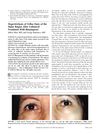
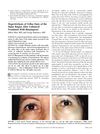
April 2004 in “American Journal of Ophthalmology” Using bimatoprost on one side of the face caused increased cheek hair growth in a patient.
 15 citations
,
March 2004 in “American Journal of Ophthalmology”
15 citations
,
March 2004 in “American Journal of Ophthalmology” Using bimatoprost on one side of the face caused increased cheek hair growth in a patient.
 3 citations
,
October 2021 in “Research Square (Research Square)”
3 citations
,
October 2021 in “Research Square (Research Square)” The model can effectively help diagnose meibomian gland dysfunction automatically.
June 2026 in “UNC Libraries” Pulsed electric field treatment may help shrink untreated liver tumors.

PmtHEE is a better model for studying pigmented skin because it includes melanocytes and shows improved cell differentiation.
December 2015 in “OPAL (Open@LaTrobe) (La Trobe University)” QLT0267 stops hair follicle cell growth and movement.
48 citations
,
April 2021 in “Pharmaceuticals” Liposomal curcumin improves skin cancer treatment effectiveness while sparing normal cells.
9 citations
,
January 2019 in “Dermatology Online Journal” Laser-assisted delivery of PRP, with or without bimatoprost and minoxidil, can effectively stimulate hair growth.
 March 2026 in “Medical Lasers”
 Adjusting hair dryer settings improves drying efficiency and keeps hair healthy.
1 citations
,
January 2016 in “Journal of Clinical & Experimental Dermatology Research”