
Search
for
Sort by
Research
810-840 / 1000+ results 
research Integrative Proteo‐Transcriptomic Characterization of Androgenetic Alopecia Identifying ME1‐Mediated PPAR Signaling as a Potential Mediator
ME1 and PPAR signaling may influence hair loss in androgenetic alopecia.
research Alopecia universalis treated with bone morphogenetic protein?
A man with alopecia universalis regrew hair temporarily after a bone treatment.
research Corrigendum to: Low Molecular Weight Collagen Peptide (LMWCP) Promotes Hair Growth by Activating the Wnt/GSK-3β/β-Catenin Signaling Pathway
The authors will correct the table to show the right antibody information.

research DP10 Scalp disease in dermatomyositis
Scalp disease in dermatomyositis causes significant symptoms and has unique features.
research Decision letter: Deletion of the MAD2L1 spindle assembly checkpoint gene is tolerated in mouse models of acute T-cell lymphoma and hepatocellular carcinoma
Deleting the MAD2L1 gene in mice led to rapid tumor growth despite chromosomal instability.
research A Ca 2+ /calmodulin-dependent protein kinase required for symbiotic nodule development: Gene identification by transcript-based cloning
The DMI3 gene is essential for nodule development and symbiosis in certain plants.

research Ectrodactyly, Ectodermal Dysplasia, and Cleft Lip/Palate Syndrome with Concomitant Lymphopenia: A Novel TP63 Mutation
A new TP63 mutation was found in a baby with EEC syndrome, showing the need for TREC testing to check for immune issues.
research Expression of apoptosis-related genes in the mouse skin during the first postnatal catagen stage, focused on localization of Bnip3L and caspase-12
The research found changes in gene expression related to cell death in mouse skin that help understand hair follicle development and skin health.

research Identification of a secreted BMP antagonist, ectodin, integrating BMP, FGF, and SHH signals from the tooth enamel knot
Ectodin integrates BMP, SHH, and FGF signals in developing ectodermal organs.
research PILOMATRIXOMA OF FACE PRESENTING AS PAROTID SWELLING
A young woman had a rare, usually non-cancerous tumor on her face that was initially mistaken for a different condition.
research Synergistic effect of carbodiimide and dehydrothermal crosslinking on acellular dermal matrix
Combining DHT and EDC improves the strength and stability of PADM scaffolds for tissue engineering.

research Mesenchymal stem cells paracrine proteins from three‐dimensional dynamic culture system promoted wound healing in third‐degree burn models
Mesenchymal stem cell proteins in a special gel improved healing of severe burns.
research Mechanically Robust MXene‐Metal Polyphenol Network Hybrid Interfaces for Multifunctional Protection of Keratin Fibers
The new coating protects and strengthens hair while improving its properties.

research Differential activity of 2-methylene-19-nor vitamin D analogs on growth factor gene expression in rhino mouse skin and comparison to all-trans retinoic acid
Some vitamin D analogs can thicken skin and reduce pore size like a common acne treatment, with one analog also affecting skin growth factors.
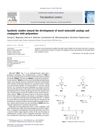
research Synthetic studies toward the development of novel minoxidil analogs and conjugates with polyamines
New minoxidil compounds with better water solubility were made, but their full effects and safety need more research.

research Atypical Progeroid Syndrome due to Heterozygous Missense LMNA Mutations
The research found that Atypical Progeroid Syndrome has unique symptoms and is not caused by the buildup of a certain mutant protein.
research Rippled‐pattern trichomatricoma
A unique hair tumor with a rippled pattern was identified, showing incomplete differentiation and unusual cell arrangements.
research Cultured dermal papilla cells of the rat vibrissa follicle. Proliferative activity, adhesion properties and reorganization of the extracellular matrix in vitro
Rat dermal papilla cells have unique properties and interact differently with their environment compared to other skin cells.

research DSP c.6310delA p.(Thr2104Glnfs*12) associates with arrhythmogenic cardiomyopathy, increased trabeculation, curly hair, and palmoplantar keratoderma
A specific gene variant is linked to heart disease, increased heart muscle, curly hair, and thick skin on palms and soles.
research Three cDNA sequences of mouse type I keratins. Cellular localization of the mRNAs in normal and hyperproliferative tissues.
Different keratins have unique expression patterns in mouse skin cells.
research 875 Clinical, Histologic and Immunohistochemical Characterization of Mixed Epithelial and Stromal Tumor of the Seminal Vesicle: A Systematic Review and a Novel Case Report
MESTSV is a rare tumor that is mostly benign but needs long-term monitoring due to potential recurrence.

research Self-assembly of dermal papilla cells into inductive spheroidal microtissues on poly(ethylene-co-vinyl alcohol) membranes for hair follicle regeneration
EVAL membranes help create cell structures that can regrow hair follicles.
research Inhibition of TNF-α-Induced Collagen Degradation and Oxidative Damage by Centipeda minima and Brevilin A in Human Dermal Fibroblasts
Centipeda minima and brevilin A protect skin cells from damage and aging.
research 874 Mesothelioma of the Tunica Vaginalis Testis: A Clinicopathologic Study of 14 Patients with Evaluation of Markers of Mesothelial Malignancy
Mesothelioma of the tunica vaginalis testis is rare, often high-grade, and has a median survival of about 24 months.
research Dual role of laminin‑511 in regulating melanocyte migration and differentiation
Laminin-511 is essential for proper melanocyte movement and development in mice.

research Near missed diagnosis of Merkel Cell Carcinoma in a young immunocompetent woman with a recurrent left-arm mass: A case report
A young woman with a rare skin cancer was diagnosed late because her symptoms were unusual for the disease.
research Muir-torre syndrome in two families in Leicestershire, United Kingdom
Recognizing minor skin lesions can help identify serious cancer syndromes.

research MIM and Cortactin Antagonism Regulates Ciliogenesis and Hedgehog Signaling
MIM is crucial for hair follicle formation and regeneration by controlling cilia formation and hedgehog signaling through its interaction with Cortactin and Src.
research Immunohistochemical expression of cytokeratin 15, cytokeratin 19, follistatin, and Bmi-1 in basal cell carcinoma
CK 15, follistatin, and Bmi-1 can help differentiate basal cell carcinoma from squamous cell carcinoma.