10 citations
,
December 2008 in “Molecular Carcinogenesis” The PML protein helps prevent skin cancer in mice.
8 citations
,
June 2004 in “Journal of Investigative Dermatology” Certain peptides can prevent hair loss in young rats caused by a cancer drug.
 28 citations
,
March 2017 in “Scientific Reports”
28 citations
,
March 2017 in “Scientific Reports” Minoxidil may protect nerves and improve hair quality during paclitaxel treatment.
30 citations
,
July 2021 in “Annals of Botany” Localized nutrients boost maize growth and phosphorus uptake by enhancing root hairs and lateral roots.
 June 2023 in “Journal of cosmetic dermatology”
 Both DPCP alone and with PRP are effective and safe for treating severe alopecia areata.
January 2000 in “Hair and its disorders: biology, pathology and management, 2000, ISBN 1853177997, págs. 137-152”  60 citations
,
January 2023 in “Biomaterials Science”
60 citations
,
January 2023 in “Biomaterials Science” PLGA-based microneedles are promising for safe and effective skin delivery of drugs and vaccines.
January 2026 in “New Journal of Chemistry” Minoxidil-loaded nanoparticles improve hair loss treatment by enhancing delivery and reducing irritation.
4 citations
,
May 2023 in “Pigment Cell & Melanoma Research” BMI1 is essential for preventing hair greying and maintaining hair color.
April 2026 in “Human Genome Variation” Long-read RNA sequencing can identify complex gene changes in IFAP syndrome.
4 citations
,
February 2018 in “EMBO reports” New DNA analysis and machine learning are advancing forensic science, improving accuracy and expanding into non-human applications.
8 citations
,
November 2018 in “BMC Pulmonary Medicine” A 70-year-old woman with bronchiectasis developed a rare immune disease due to a bacterial infection, requiring a difficult balance of treatments.
September 2019 in “The journal of investigative dermatology/Journal of investigative dermatology” PPARγ signaling modulation can protect hair follicle stem cells from chemotherapy-induced damage.
October 2024 in “Frontiers in Immunology” Pertussis toxin may contribute to hair loss in alopecia areata.
 28 citations
,
November 2013 in “The journal of investigative dermatology/Journal of investigative dermatology”
28 citations
,
November 2013 in “The journal of investigative dermatology/Journal of investigative dermatology” GMG-43AC may help reduce unwanted hair growth and treat certain hair loss conditions.
 2 citations
,
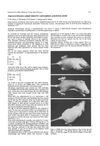
September 1980 in “Experientia”
2 citations
,
September 1980 in “Experientia” Polyethylene alanine caused hair loss in young lab animals but not in adults, with hair regrowth occurring within 20 days.
1 citations
,
October 2025 in “Micromachines” Portable point-of-care testing can improve quick and accurate genetic disorder detection.
11 citations
,
August 2021 in “Stem Cell Research & Therapy” Pimecrolimus reduces the effectiveness of stem cell therapy for atopic dermatitis.
A new mutation in the TRPS1 gene caused Trichorhinophalangeal syndrome in a 17-year-old, highlighting the need for genetic testing.
3 citations
,
May 2020 in “Acta pharmaceutica” Protocatechuic acid can reduce melanin production and boost antioxidant activity in hair follicles.
December 2024 in “BMC Plant Biology” Prunus mira has high genetic diversity due to geographic isolation, needing targeted conservation.
 37 citations
,
October 2015 in “European Journal of Human Genetics”
37 citations
,
October 2015 in “European Journal of Human Genetics” Genetic data can predict male-pattern baldness with moderate accuracy, especially for early-onset cases in some European men.
 July 2021 in “International journal of dermatology, venereology and leprosy sciences”
 Diphenylcyclopropenone is more effective and has fewer side effects than dinitrochlorobenzene for treating alopecia areata.
 1 citations
,
April 2018 in “Journal of Investigative Dermatology”
1 citations
,
April 2018 in “Journal of Investigative Dermatology” PRC1 is essential for proper skin development and stem cell formation by controlling gene activity.
3 citations
,
July 2023 in “Acta Biomaterialia” PepACS offers a safer, eco-friendly way to perm, dye, and repair hair.
3 citations
,
October 2024 in “Frontiers in Pharmacology” Compounds from Pterocarpus indicus may help treat benign prostatic hyperplasia by stopping cell growth.
 May 2015 in “Journal of The American Academy of Dermatology”
 There's a growing resistance to the antibiotic mupirocin in children's skin infections caused by MRSA in New York.
11 citations
,
October 1941 in “Experimental Biology and Medicine” PABA helps prevent gray hair and hair loss in mice.
January 2012 in “RepositóriUM (Universidade do Minho)” PLA nanoparticles can effectively deliver treatments to hair follicles, showing potential for hair therapy.
 March 2024 in “Jordan Journal of Biological Sciences”
 The Pamona community uses 21 types of mushrooms for food, medicine, and other needs, highlighting the importance of conserving these resources.