 25 citations
,
May 2018 in “Clinical & Translational Oncology”
25 citations
,
May 2018 in “Clinical & Translational Oncology” New melanoma treatments can cause skin side effects, including skin cancer and rashes, but combining treatments may reduce these risks.
2 citations
,
May 2008 in “Journal of Clinical Oncology” AZD6244 treatment causes skin aging effects by depleting skin stem cells.
January 2008 in “Projeto: revista mensal de arquitetura” Targeted cancer drugs can cause skin reactions, so dermatologists must manage these effects.
1 citations
,
May 2024 in “Pediatric Blood & Cancer” Trametinib can effectively treat severe kaposiform lymphangiomatosis when other treatments fail.
33 citations
,
May 2017 in “Journal of Clinical Oncology” ETC-159 was safe up to 30 mg, but no tumor shrinkage was seen.
December 2025 in “Pediatric Dermatology” Trametinib can cause skin issues, but they can often be managed without stopping the drug.
 January 2016 in “대한피부과학회지”
 Bortezomib chemotherapy can cause temporary skin rashes.
March 2022 in “Oncology Times” Tebentafusp-tebn improves survival rates in uveal melanoma patients but has common side effects like rash and fatigue.
 June 2019 in “International journal of dermatology and venereology”
 A man developed skin issues from cancer medication, which improved with specific treatments.
2 citations
,
January 2022 in “JAAD Case Reports” The rash resolved after stopping ponatinib.
82 citations
,
March 2013 in “PLoS ONE” Vemurafenib causes skin side effects similar to RASopathies, requiring regular skin checks and UVA protection.
 65 citations
,
February 2015 in “Neuro-Oncology”
65 citations
,
February 2015 in “Neuro-Oncology” Alisertib was found to be an effective and tolerable treatment for children with recurrent brain tumors.
60 citations
,
October 2020 in “Nature Communications” AP-1 and TGFß work together to drive resistance in basal cell carcinoma, suggesting new treatment options.
22 citations
,
May 2011 in “European Journal of Cancer” The drug combination was safe and showed promise in treating advanced tumors.
1 citations
,
November 2025 in “Neuro-Oncology” Safusidenib erbumine shows promise as a treatment for certain brain tumors, but mild side effects like hair loss need attention.
3 citations
,
November 2024 in “Pediatric Dermatology” Selumetinib causes fewer and less severe skin issues in children than binimetinib.
 3 citations
,
May 2025 in “Frontiers in Pharmacology”
3 citations
,
May 2025 in “Frontiers in Pharmacology” Vismodegib can cause muscle spasms, taste changes, hair loss, fatigue, weight loss, and possibly new issues like skin cancer, dehydration, and swallowing problems, needing close monitoring.
July 2024 in “Journal of Investigative Dermatology” Brepocitinib improves cicatricial alopecia and reduces key immune markers.
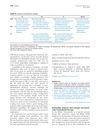 21 citations
,
March 2015 in “Journal of The American Academy of Dermatology”
21 citations
,
March 2015 in “Journal of The American Academy of Dermatology” Vemurafenib therapy can cause hair loss, but clobetasol propionate foam can help regrow hair.
July 2026 in “Journal of Enzyme Inhibition and Medicinal Chemistry” Improved CRBN ligands make protein degraders more effective and drug-like.
9 citations
,
December 2018 in “Cutaneous and Ocular Toxicology” Combined BRAF and MEK treatment increases rash risk but reduces other skin issues compared to BRAF alone.
4 citations
,
October 2019 in “Skin Appendage Disorders” Gefitinib can cause hair and eyebrow darkening.
 4 citations
,
October 2018 in “Asia-Pacific Journal of Clinical Oncology”
4 citations
,
October 2018 in “Asia-Pacific Journal of Clinical Oncology” CDK4/6 inhibitors have improved treatment outcomes for certain advanced breast cancer patients.
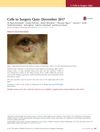 1 citations
,
November 2017 in “The journal of investigative dermatology/Journal of investigative dermatology”
1 citations
,
November 2017 in “The journal of investigative dermatology/Journal of investigative dermatology” Mohs micrographic surgery is effective for treating basal cell carcinoma on the eyelid, while radiotherapy has higher recurrence rates, and topical vitamin D3 may reduce and delay BCC formation in mice.
 16 citations
,
February 2019 in “Pediatric Blood & Cancer”
16 citations
,
February 2019 in “Pediatric Blood & Cancer” Most children with CNS tumors on targeted therapy had skin reactions, which were generally treatable without stopping the therapy.
3 citations
,
April 2021 in “Oncology Times” Trodelvy™ helped some patients with advanced breast cancer, but had side effects.
 September 2025 in “Experimental & Molecular Medicine”
 Small molecules KY19382 and KY19334 may help treat skin cancer by reducing CDK1 levels and blocking harmful cell signals.
 1 citations
,
January 2023 in “Research Square (Research Square)”
1 citations
,
January 2023 in “Research Square (Research Square)” A woman's vitiligo improved with tofacitinib treatment, and her skin color remained even after stopping the medication, but there are concerns about cancer risk.
44 citations
,
May 2023 in “MedComm” PROTAC technology shows promise for cancer treatment but needs more effective E3 ligase recruiters.
 42 citations
,
April 2012 in “Seminars in Oncology”
42 citations
,
April 2012 in “Seminars in Oncology” Targeted cancer therapies often cause skin problems that need careful management to improve patient quality of life and treatment success.