September 2020 in “Journal of Mind and Medical Sciences” Combining NdYag laser with pulsed light effectively treats rosacea with manageable side effects.
August 2017 in “Journal of the Dermatology Nurses' Association” Latisse (bimatoprost 0.03%) is widely used in dermatology but the document doesn't give detailed evidence or numbers.

The conclusion is that there's a link between high testosterone levels, insulin resistance, and certain skin conditions, regardless of obesity.
January 2009 in “Journal of Pakistan Association of Dermatology” Systemic cyproterone acetate and 5% topical minoxidil are effective and safe for treating female pattern hair loss.
 January 2026 in “Anti-Infective Agents”
 The new gel effectively treats scalp and beard fungal infections with fewer side effects.
May 2025 in “International Journal of Trichology” Topical tofacitinib may help regrow hair in children with alopecia totalis.
 September 2024 in “PubMed”
 Timely and correct treatment is crucial to prevent complications and scarring in children with scalp ringworm.
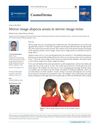
Mirror-image twins can have alopecia areata on opposite sides of their heads.
 August 2023 in “Dermatology reports”
 A baby with maple syrup urine disease improved from skin problems by adjusting his diet to correct amino acid levels.
 August 2023 in “Indian journal of pediatrics/Indian Journal of Pediatrics”
 Topical treatments helped a child with Down syndrome and severe hair loss regrow most of his hair.
 September 2022 in “Intisasi sains media”
 A young child with complete hair loss improved significantly with a combination of hair growth treatments and laser therapy.
March 2016 in “Actas dermo-sifiliográficas/Actas dermo-sifiliográficas” Stopping the use of a tight headband and using specific treatments led to partial hair regrowth.

A teenager had both alopecia areata and vitiligo, which are rare to occur together.
July 2024 in “Clinical Case Reports” Recognizing rare hair loss patterns in young females can improve understanding and treatment.
February 2023 in “Reactions Weekly” 19 citations
,
April 2014 in “Veterinary Dermatology” Demodicosis should be considered in cats with facial skin issues exposed to inhalant glucocorticoids.
3 citations
,
August 2019 in “PubMed” Topical corticosteroid foams are effective, safe, and easy to use for treating various skin conditions.
 11 citations
,
May 2010 in “Journal of the South African Veterinary Association”
11 citations
,
May 2010 in “Journal of the South African Veterinary Association” Mycophenolate mofetil helped reduce steroid use in treating a dog's autoimmune skin disease.
 80 citations
,
August 1991 in “The journal of allergy and clinical immunology/Journal of allergy and clinical immunology/The journal of allergy and clinical immunology”
80 citations
,
August 1991 in “The journal of allergy and clinical immunology/Journal of allergy and clinical immunology/The journal of allergy and clinical immunology” Methotrexate reduced the need for steroids in asthma patients without worsening their condition.
 26 citations
,
March 2015 in “American journal of clinical dermatology”
26 citations
,
March 2015 in “American journal of clinical dermatology” Topical clobetasol is recommended over mycophenolate mofetil for treating Lichen Planopilaris due to better safety and patient satisfaction.
114 citations
,
October 2006 in “Journal of the European Academy of Dermatology and Venereology” The new clobetasol propionate foam is effective and safe for treating alopecia areata.
 13 citations
,
July 2011 in “Journal of Dermatological Treatment”
13 citations
,
July 2011 in “Journal of Dermatological Treatment” Clobetasol and pimecrolimus are similarly effective for alopecia areata, but pimecrolimus has fewer side effects and is preferred for long-term use.
 December 2024 in “PubMed”
 Cyclosporine effectively treated a woman's stubborn skin condition.
August 2025 in “Saudi Pharmaceutical Journal” The ointment effectively treats neurodermatitis and chronic eczema without causing skin irritation.
9 citations
,
February 2002 in “International Journal of Dermatology” The patient's symptoms improved with treatment but recurred when the steroid dose was reduced, requiring ongoing therapy.
September 2023 in “Journal of the American Academy of Dermatology” Methylprednisolone treatment helps most alopecia areata patients, but young age, extensive hair loss, and low vitamin D can affect results.
October 2025 in “Archives of Dermatological Research” Topical metformin gel is as effective and safe as steroids for treating alopecia areata.
 1 citations
,
December 2022 in “Journal of cosmetic dermatology”
1 citations
,
December 2022 in “Journal of cosmetic dermatology” The combination of vitamin D analogues with potent steroids is a favorable treatment for alopecia areata with fewer side effects.
January 2026 in “PubMed Central” Clobetasol is more effective than metformin for treating localized alopecia areata.
49 citations
,
November 2013 in “JAMA dermatology” Clobetasol propionate, 0.05%, is more effective and safe for treating childhood alopecia areata than hydrocortisone, 1%.