January 2025 in “SAGE Open Medical Case Reports” Combination therapy may be more effective for difficult-to-treat scalp conditions.
 November 2024 in “PubMed”
 Terbinafine can cause skin reactions when exposed to sunlight, so sun exposure should be avoided during treatment.
18 citations
,
October 2024 in “Medical Science Monitor” Improving skin barrier function is crucial for better acne treatment.
12 citations
,
May 2015 in “Journal of the National Comprehensive Cancer Network” Doctors should actively prevent and treat skin side effects in cancer patients to keep them on the best medication and reduce discomfort.
 February 2026 in “Reports — Medical Cases Images and Videos”
 Upadacitinib may help regrow hair in children with alopecia areata and is generally safe.
August 2024 in “JAAD Case Reports” Upadacitinib successfully regrew hair in a child with alopecia universalis and specific genetic mutations.
 January 2026 in “Anti-Infective Agents”
 The new gel effectively treats scalp and beard fungal infections with fewer side effects.
May 2025 in “International Journal of Trichology” Topical tofacitinib may help regrow hair in children with alopecia totalis.
 September 2024 in “PubMed”
 Timely and correct treatment is crucial to prevent complications and scarring in children with scalp ringworm.
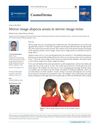
Mirror-image twins can have alopecia areata on opposite sides of their heads.
 August 2023 in “Dermatology reports”
 A baby with maple syrup urine disease improved from skin problems by adjusting his diet to correct amino acid levels.
 August 2023 in “Indian journal of pediatrics/Indian Journal of Pediatrics”
 Topical treatments helped a child with Down syndrome and severe hair loss regrow most of his hair.
 September 2022 in “Intisasi sains media”
 A young child with complete hair loss improved significantly with a combination of hair growth treatments and laser therapy.
March 2016 in “Actas dermo-sifiliográficas/Actas dermo-sifiliográficas” Stopping the use of a tight headband and using specific treatments led to partial hair regrowth.

A teenager had both alopecia areata and vitiligo, which are rare to occur together.
July 2024 in “Clinical Case Reports” Recognizing rare hair loss patterns in young females can improve understanding and treatment.
3 citations
,
August 2019 in “PubMed” Topical corticosteroid foams are effective, safe, and easy to use for treating various skin conditions.
February 2023 in “Reactions Weekly” 49 citations
,
November 2013 in “JAMA dermatology” Clobetasol propionate, 0.05%, is more effective and safe for treating childhood alopecia areata than hydrocortisone, 1%.
 13 citations
,
July 2011 in “Journal of Dermatological Treatment”
13 citations
,
July 2011 in “Journal of Dermatological Treatment” Clobetasol and pimecrolimus are similarly effective for alopecia areata, but pimecrolimus has fewer side effects and is preferred for long-term use.
 July 2025 in “Pakistan Journal of Intensive Care Medicine”
 Clobetasol propionate 0.05% ointment is more effective than tacrolimus 0.1% ointment for treating alopecia areata.
114 citations
,
October 2006 in “Journal of the European Academy of Dermatology and Venereology” The new clobetasol propionate foam is effective and safe for treating alopecia areata.
 26 citations
,
March 2015 in “American journal of clinical dermatology”
26 citations
,
March 2015 in “American journal of clinical dermatology” Topical clobetasol is recommended over mycophenolate mofetil for treating Lichen Planopilaris due to better safety and patient satisfaction.
September 2022 in “Journal of Sulaimani Medical College” The combination treatment showed some improvement but wasn't significantly better than using betamethasone valerate alone.
7 citations
,
June 2000 in “Journal of the American Academy of Dermatology” Foam corticosteroid covers as well as traditional forms.
October 2025 in “Archives of Dermatological Research” Topical metformin gel is as effective and safe as steroids for treating alopecia areata.
August 2025 in “Saudi Pharmaceutical Journal” The ointment effectively treats neurodermatitis and chronic eczema without causing skin irritation.
January 2026 in “PubMed Central” Clobetasol is more effective than metformin for treating localized alopecia areata.
 1 citations
,
February 2015 in “Journal of evolution of medical and dental sciences”
1 citations
,
February 2015 in “Journal of evolution of medical and dental sciences” 0.05% Betamethasone Dipropionate is the most effective topical treatment for alopecia areata.
 80 citations
,
August 1991 in “The journal of allergy and clinical immunology/Journal of allergy and clinical immunology/The journal of allergy and clinical immunology”
80 citations
,
August 1991 in “The journal of allergy and clinical immunology/Journal of allergy and clinical immunology/The journal of allergy and clinical immunology” Methotrexate reduced the need for steroids in asthma patients without worsening their condition.